Alexei Yurchak – författare
Visar alla böcker från författaren Alexei Yurchak. Handla med fri frakt och snabb leverans.
6 produkter
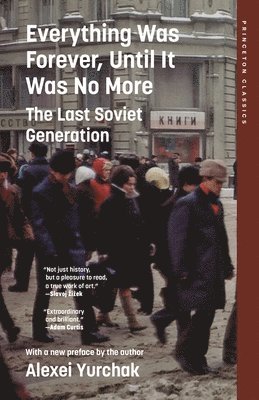
Everything Was Forever, Until It Was No More
The Last Soviet Generation
Häftad, 2026
293 kr
Lägg i varukorg
“[An] extraordinary book.”—Brian Eno • “One of the best books about the U.S.S.R. in its late stage.”—Alexei Navalny, from Patriot: A Memoir • “Not just history, but a pleasure to read, a true work of art.”—Slavoj Žižek • “Extraordinary and brilliant.”—Adam Curtis, director of HyperNormalisationA …
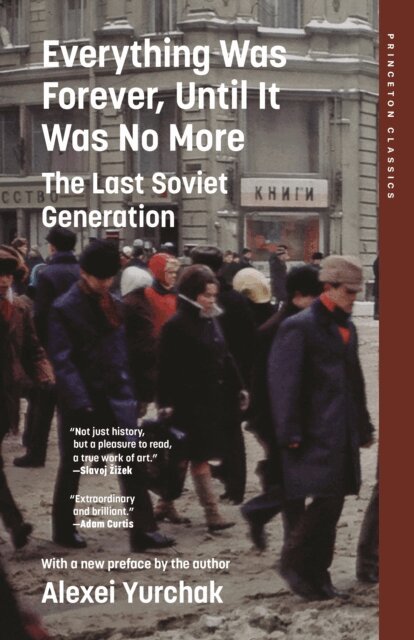
Everything Was Forever, Until It Was No More
The Last Soviet Generation
E-bok, 2026
279 kr
Lägg i varukorg
';[An] extraordinary book.'Brian Eno *; ';One of the best books about the U.S.S.R. in its late stage.'Alexei Navalny, from Patriot: A Memoir *; ';Not just history, but a pleasure to read, a true work of art.'Slavoj Zizek *; ';Extraordinary and brilliant.'Adam Curtis, director of HyperNormalisationA …
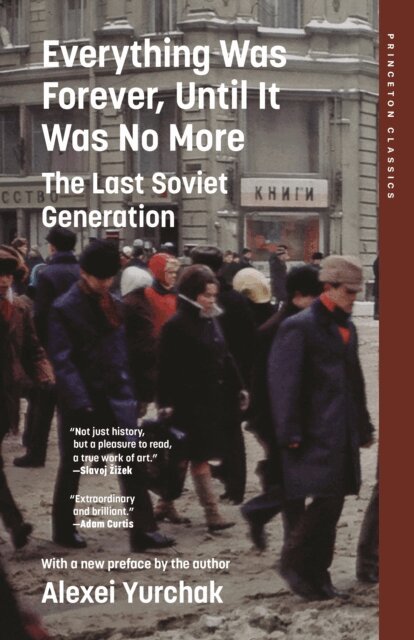
Everything Was Forever, Until It Was No More
The Last Soviet Generation
E-bok, 2026
279 kr
Lägg i varukorg
';[An] extraordinary book.'Brian Eno *; ';One of the best books about the U.S.S.R. in its late stage.'Alexei Navalny, from Patriot: A Memoir *; ';Not just history, but a pleasure to read, a true work of art.'Slavoj Zizek *; ';Extraordinary and brilliant.'Adam Curtis, director of HyperNormalisationA …
Everything Was Forever, Until It Was No More
The Last Soviet Generation
E-bok, 2013
514 kr
Lägg i varukorg
Soviet socialism was based on paradoxes that were revealed by the peculiar experience of its collapse. To the people who lived in that system the collapse seemed both completely unexpected and completely unsurprising. At the moment of collapse it suddenly became obvious that Soviet life had always …
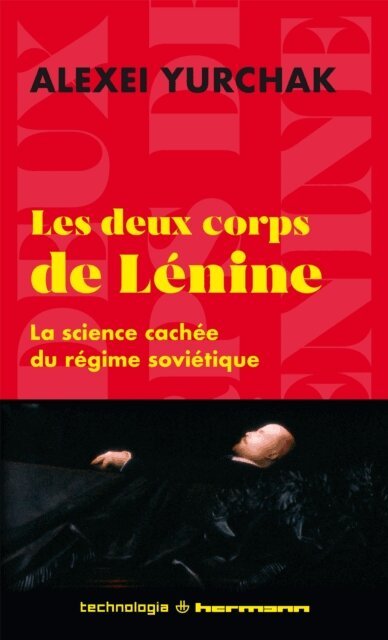
Les deux corps de Lénine
La science cachée du régime soviétique
Av Pascale Pilawski, Alexei Yurchak
E-bok, 2025
167 kr
Lägg i varukorg
21 janvier 1924 : Vladimir Ilitch, dit Lénine, meurt, à l’âge de 53 ans. Que faire de la dépouille du père immortel de la révolution d’Octobre ? Dans les mois qui suivent son décès, des discussions ont lieu au sommet du pouvoir soviétique. Le choix de conserver le corps de Lénine est fait, au gré …
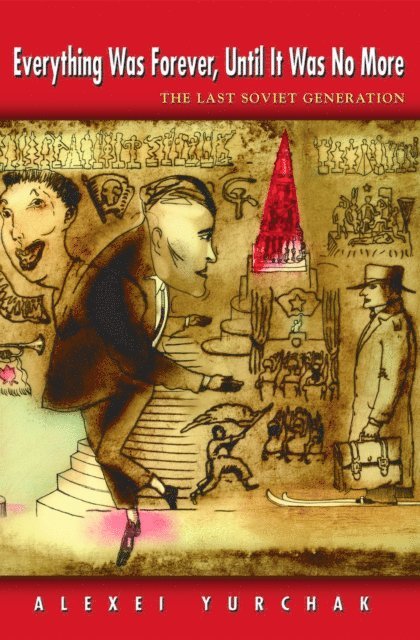
Everything Was Forever, Until It Was No More
The Last Soviet Generation
Häftad, 2005
379 kr
Tillfälligt slut
Soviet socialism was based on paradoxes that were revealed by the peculiar experience of its collapse. To the people who lived in that system the collapse seemed both completely unexpected and completely unsurprising. At the moment of collapse it suddenly became obvious that Soviet life had always …