Alexis Easley - Böcker
Visar alla böcker från författaren Alexis Easley. Handla med fri frakt och snabb leverans.
15 produkter
15 produkter
725 kr
Skickas inom 10-15 vardagar
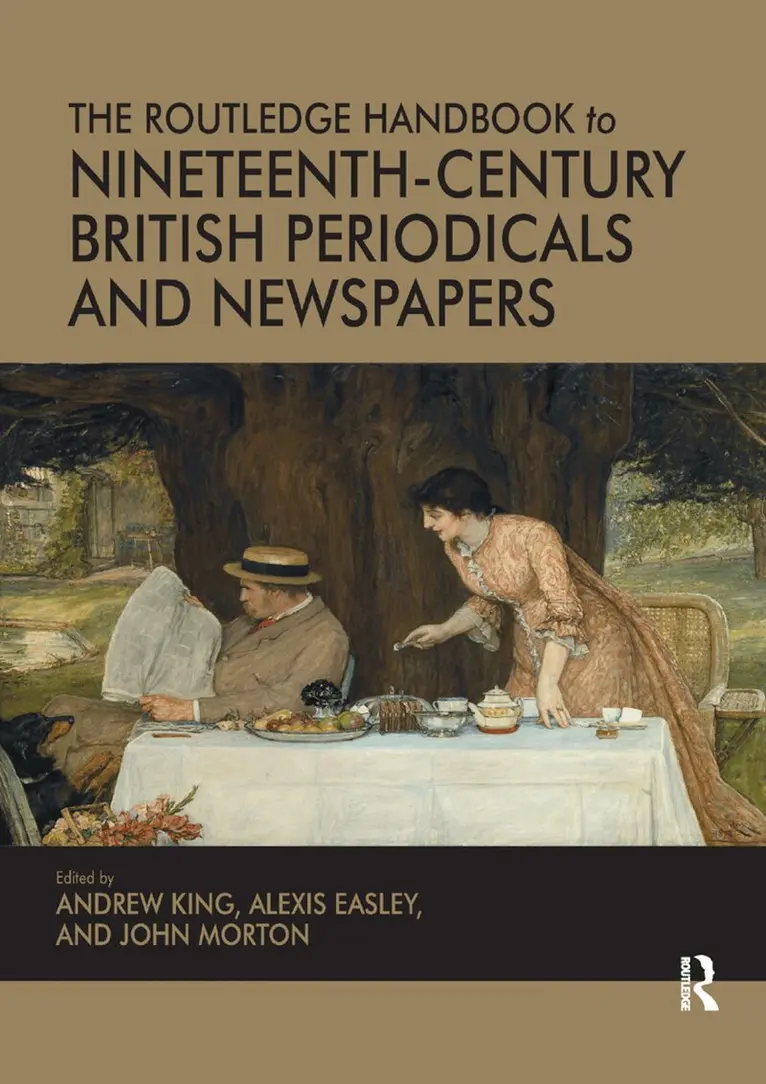
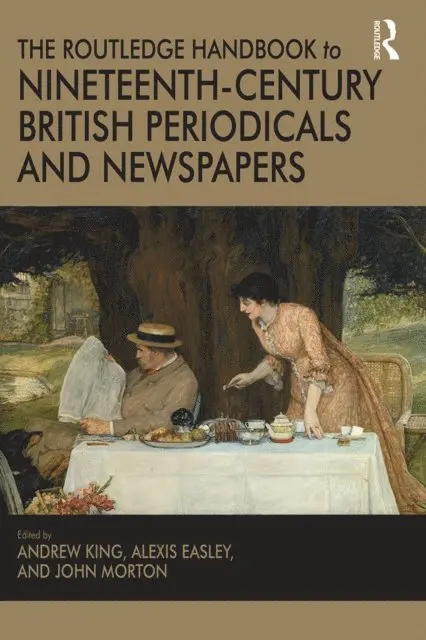
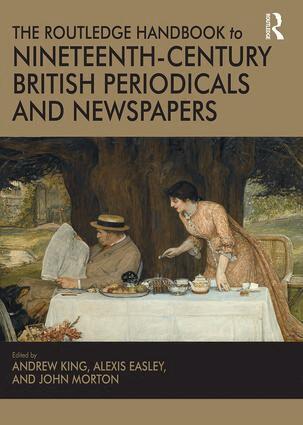
The 2017 winner of the Robert and Vineta Colby Scholarly Book PrizeProviding a comprehensive, interdisciplinary examination of scholarship on nineteenth-century British periodicals, this volume surveys the current state of research and offers researchers an in-depth examination of contemporary methodologies. The impact of digital media and archives on the field informs all discussions of the print archive. Contributors illustrate their arguments with examples and contextualize their topics within broader areas of study, while also reflecting on how the study of periodicals may evolve in the future. The Handbook will serve as a valuable resource for scholars and students of nineteenth-century culture who are interested in issues of cultural formation, transformation, and transmission in a developing industrial and globalizing age, as well as those whose research focuses on the bibliographical and the micro case study. In addition to rendering a comprehensive review and critique of current research on nineteenth-century British periodicals, the Handbook suggests new avenues for research in the twenty-first century."This volume's 30 chapters deal with practically every aspect of periodical research and with the specific topics and audiences the 19th-century periodical press addressed. It also covers matters such as digitization that did not exist or were in early development a generation ago. In addition to the essays, readers will find 50 illustrations, 54 pages of bibliography, and a chronology of the periodical press. This book gives seemingly endless insights into the ways periodicals and newspapers influenced and reflected 19th-century culture. It not only makes readers aware of problems involved in interpreting the history of the press but also offers suggestions for ways of untangling them and points the direction for future research. It will be a valuable resource for readers with interests in almost any aspect of 19th-century Britain. Summing Up: Highly recommended"- J. D. Vann, University of North Texas in CHOICE
725 kr
Skickas inom 10-15 vardagar
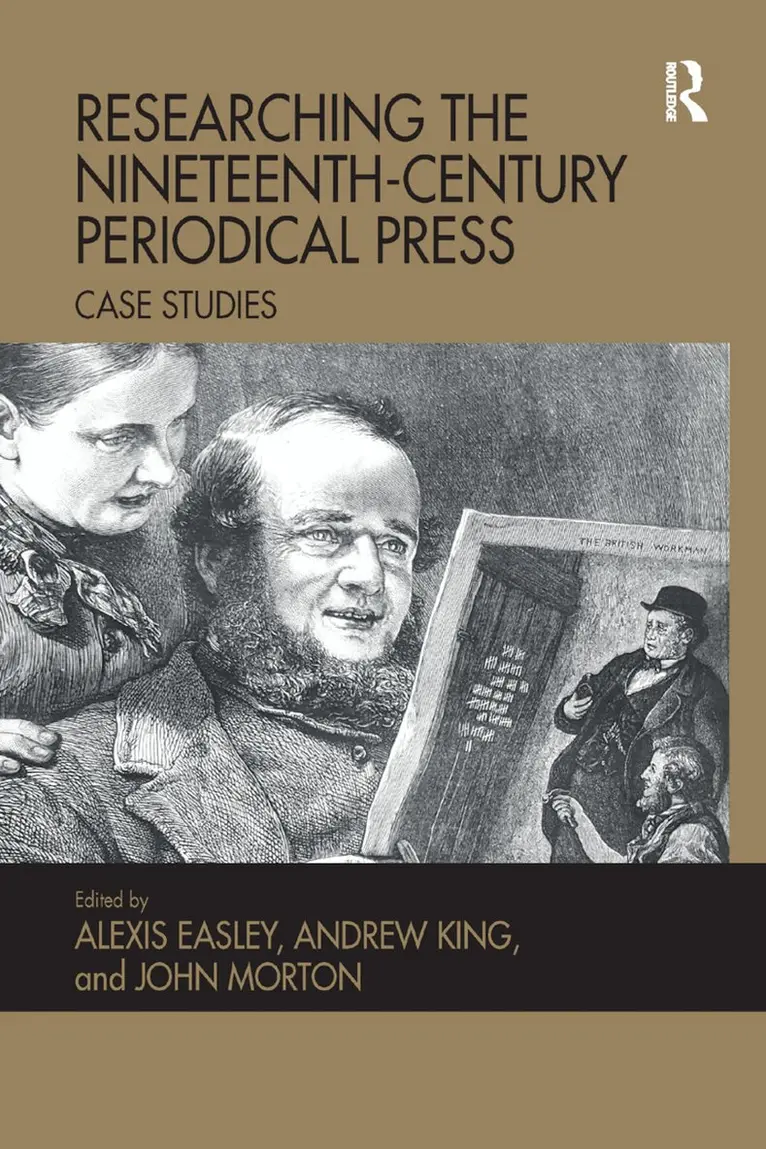
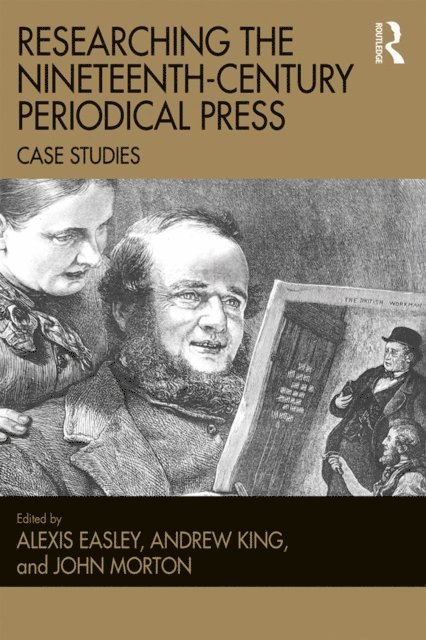
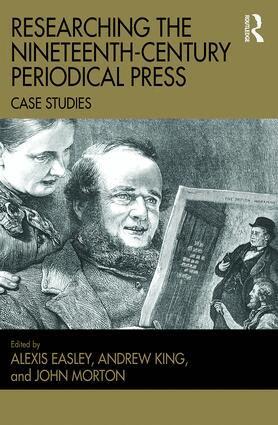
Extending the work of The Routledge Handbook to Nineteenth-Century British Periodicals and Newspapers, this volume provides a critical introduction and case studies that illustrate cutting-edge approaches to periodicals research, as well as an overview of recent developments in the field. The twelve chapters model diverse approaches and methodologies for research on nineteenth-century periodicals. Each case study is contextualized within one of the following broad areas of research: single periodicals, individual journalists, gender issues, periodical networks, genre, the relationship between periodicals, transnational/transatlantic connections, technologies of printing and illustration, links within a single periodical, topical subjects, science and periodicals, and imperialism and periodicals. Contributors incorporate first-person accounts of how they conducted their research and provide specific examples of how they gained access to primary sources, as well as the methods they used to analyze the materials.The 2018 winner of the Robert and Vineta Colby Scholarly Book Prize.The Committee describes the focus of the book on methodology and case studies as “fresh and original,” and “useful for both experienced scholars and those new to the field.”"Overall. Case Studies suggests new ways of reading canonical authors, new unerstandings of the interprentation of the personal and the public, and an admirable energy in engaging with the structures of national and transnational periodical discourses that are clearly implicated in maintaining soft power within societies" -- Brian Maidment, Liverpool John Moores University
725 kr
Skickas inom 10-15 vardagar
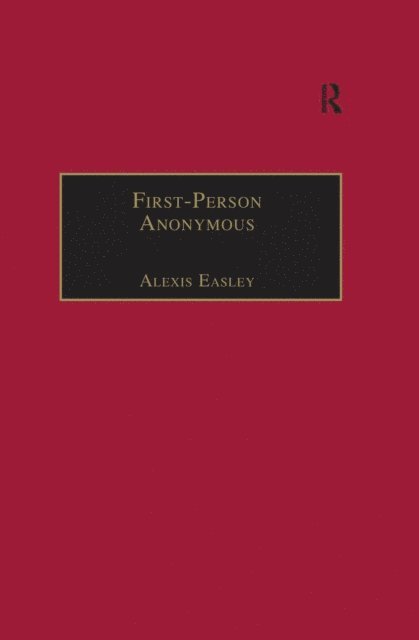
First-Person Anonymous revises previous histories of Victorian women's writing by examining the importance of both anonymous periodical journalism and signed book authorship in women’s literary careers. Alexis Easley demonstrates how women writers capitalized on the publishing conventions associated with signed and unsigned print media in order to create their own spaces of agency and meaning within a male-dominated publishing industry. She highlights the importance of journalism in the fashioning of women's complex identities, thus providing a counterpoint to conventional critical accounts of the period that reduce periodical journalism to a monolithically oppressive domain of power relations. Instead, she demonstrates how anonymous publication enabled women to participate in important social and political debates without compromising their middle-class respectability. Through extensive analysis of literary and journalistic texts, Easley demonstrates how the narrative strategies and political concerns associated with women's journalism carried over into their signed books of poetry and prose. Women faced a variety of obstacles and opportunities as they negotiated the demands of signed and unsigned print media. In investigating women's engagement with these media, Easley focuses specifically on the work of Christian Johnstone (1781-1857), Harriet Martineau (1802-76), Elizabeth Gaskell (1810-65), George Eliot (1819-80) , and Christina Rossetti (1830-94). She provides new insight into the careers of these authors and recovers a large, anonymous body of periodical writing through which their better known careers emerged into public visibility. Since her work touches on two issues central to the study of literary history - the construction of the author and changes in media technology - it will appeal to an audience of scholars and general readers in the fields of Victorian literature, media studies, periodicals research, gender studies, and nineteenth-century
2 401 kr
Skickas inom 10-15 vardagar
First-Person Anonymous revises previous histories of Victorian women's writing by examining the importance of both anonymous periodical journalism and signed book authorship in women’s literary careers. Alexis Easley demonstrates how women writers capitalized on the publishing conventions associated with signed and unsigned print media in order to create their own spaces of agency and meaning within a male-dominated publishing industry. She highlights the importance of journalism in the fashioning of women's complex identities, thus providing a counterpoint to conventional critical accounts of the period that reduce periodical journalism to a monolithically oppressive domain of power relations. Instead, she demonstrates how anonymous publication enabled women to participate in important social and political debates without compromising their middle-class respectability. Through extensive analysis of literary and journalistic texts, Easley demonstrates how the narrative strategies and political concerns associated with women's journalism carried over into their signed books of poetry and prose. Women faced a variety of obstacles and opportunities as they negotiated the demands of signed and unsigned print media. In investigating women's engagement with these media, Easley focuses specifically on the work of Christian Johnstone (1781-1857), Harriet Martineau (1802-76), Elizabeth Gaskell (1810-65), George Eliot (1819-80) , and Christina Rossetti (1830-94). She provides new insight into the careers of these authors and recovers a large, anonymous body of periodical writing through which their better known careers emerged into public visibility. Since her work touches on two issues central to the study of literary history - the construction of the author and changes in media technology - it will appeal to an audience of scholars and general readers in the fields of Victorian literature, media studies, periodicals research, gender studies, and nineteenth-century
1 938 kr
Skickas inom 10-15 vardagar
This volume is a critical edition of a Victorian scrapbook, composed of cuttings from advertising images from the 1880's. These images are arranged in hand-drawn domestic spaces and embellished with watercolour details. At the foot of each page is a handwritten running text, written by an unknown Victorian author, that provides a narrative to explain the accompanying images. The album also includes four original short stories, interspersed by twenty-three vignettes, which, like advertisements in a magazine, echo and reinforce themes in the surrounding content. The album highlights issues of concern to women at the fin de siècle: romance, marriage, shopping, and house decoration. The satirical commentary on late Victorian shopping and commodity culture provides a fascinating insight into the interests and responses of consumers during this period. The volume will be of great interest to students and scholars of literary and advertising history.
2 329 kr
Skickas inom 3-6 vardagar
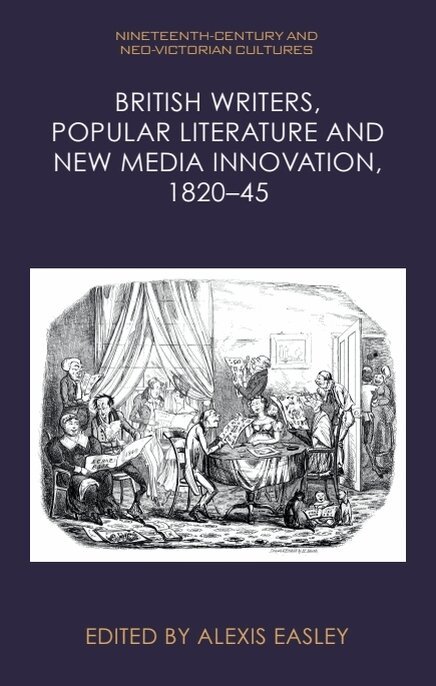
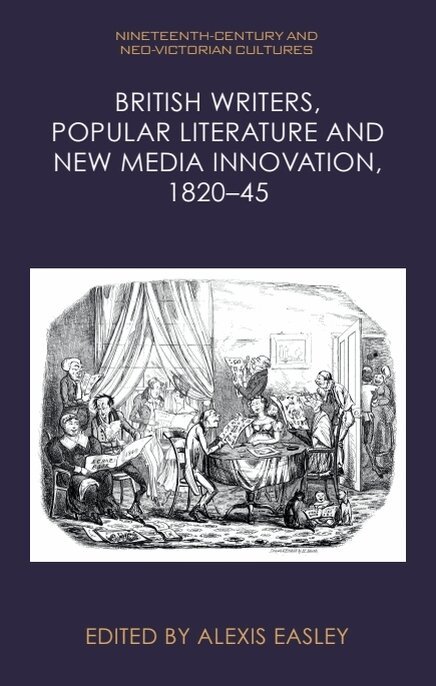
The emergence of a mass reading public during the early decades of the nineteenth century sparked a period of creative innovation in the popular press. This collection focuses on the early decades of the nineteenth century as a key period of innovation in the popular press. Steam printing, popular education campaigns, and new technologies of illustration led to new trends in book and periodical production.
342 kr
Skickas
The emergence of a mass reading public during the early decades of the nineteenth century sparked a period of creative innovation in the popular press. This collection focuses on the early decades of the nineteenth century as a key period of innovation in the popular press. Steam printing, popular education campaigns, and new technologies of illustration led to new trends in book and periodical production.
2 401 kr
Skickas inom 10-15 vardagar
Extending the work of The Routledge Handbook to Nineteenth-Century British Periodicals and Newspapers, this volume provides a critical introduction and case studies that illustrate cutting-edge approaches to periodicals research, as well as an overview of recent developments in the field. The twelve chapters model diverse approaches and methodologies for research on nineteenth-century periodicals. Each case study is contextualized within one of the following broad areas of research: single periodicals, individual journalists, gender issues, periodical networks, genre, the relationship between periodicals, transnational/transatlantic connections, technologies of printing and illustration, links within a single periodical, topical subjects, science and periodicals, and imperialism and periodicals. Contributors incorporate first-person accounts of how they conducted their research and provide specific examples of how they gained access to primary sources, as well as the methods they used to analyze the materials.The 2018 winner of the Robert and Vineta Colby Scholarly Book Prize.The Committee describes the focus of the book on methodology and case studies as “fresh and original,” and “useful for both experienced scholars and those new to the field.”"Overall. Case Studies suggests new ways of reading canonical authors, new unerstandings of the interprentation of the personal and the public, and an admirable energy in engaging with the structures of national and transnational periodical discourses that are clearly implicated in maintaining soft power within societies" -- Brian Maidment, Liverpool John Moores University
2 555 kr
Skickas inom 10-15 vardagar
The 2017 winner of the Robert and Vineta Colby Scholarly Book PrizeProviding a comprehensive, interdisciplinary examination of scholarship on nineteenth-century British periodicals, this volume surveys the current state of research and offers researchers an in-depth examination of contemporary methodologies. The impact of digital media and archives on the field informs all discussions of the print archive. Contributors illustrate their arguments with examples and contextualize their topics within broader areas of study, while also reflecting on how the study of periodicals may evolve in the future. The Handbook will serve as a valuable resource for scholars and students of nineteenth-century culture who are interested in issues of cultural formation, transformation, and transmission in a developing industrial and globalizing age, as well as those whose research focuses on the bibliographical and the micro case study. In addition to rendering a comprehensive review and critique of current research on nineteenth-century British periodicals, the Handbook suggests new avenues for research in the twenty-first century."This volume's 30 chapters deal with practically every aspect of periodical research and with the specific topics and audiences the 19th-century periodical press addressed. It also covers matters such as digitization that did not exist or were in early development a generation ago. In addition to the essays, readers will find 50 illustrations, 54 pages of bibliography, and a chronology of the periodical press. This book gives seemingly endless insights into the ways periodicals and newspapers influenced and reflected 19th-century culture. It not only makes readers aware of problems involved in interpreting the history of the press but also offers suggestions for ways of untangling them and points the direction for future research. It will be a valuable resource for readers with interests in almost any aspect of 19th-century Britain. Summing Up: Highly recommended"- J. D. Vann, University of North Texas in CHOICE
Women, Periodicals and Print Culture in Britain, 1830s–1900s
The Victorian Period
Inbunden, Engelska, 2019
2 830 kr
Skickas inom 7-10 vardagar
The period covered in this volume witnessed the proliferation of print culture and the greater availability of periodicals for an increasingly diverse audience of women readers. This was also a significant period in women’s history, in which the ‘Woman Question’ dominated public debate, and writers and commentators from a range of perspectives engaged with ideas and ideals about womanhood ranging from the ‘Angel in the House’ to the New Woman.Essays in this collection gather together expertise from leading scholars as well as emerging new voices in order to produce sustained analysis of underexplored periodicals and authors and to reveal in new ways the dynamic and integral relationship between women’s history and print culture in Victorian society.
Women, Periodicals and Print Culture in Britain, 1830s–1900s
The Victorian Period
Häftad, Engelska, 2025
542 kr
Skickas
The period covered in this volume witnessed the proliferation of print culture and the greater availability of periodicals for an increasingly diverse audience of women readers. This was also a significant period in women's history, in which the 'Woman Question' dominated public debate, and writers and commentators from a range of perspectives engaged with ideas and ideals about womanhood ranging from the 'Angel in the House' to the New Woman.Essays in this collection gather together expertise from leading scholars as well as emerging new voices in order to produce sustained analysis of underexplored periodicals and authors and to reveal in new ways the dynamic and integral relationship between women's history and print culture in Victorian society.
1 455 kr
Skickas inom 7-10 vardagar
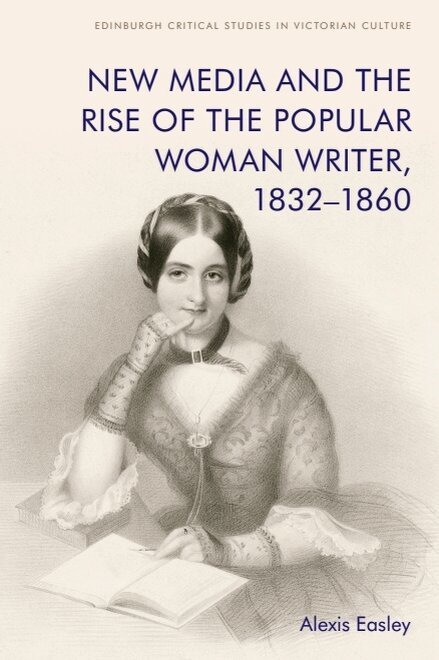
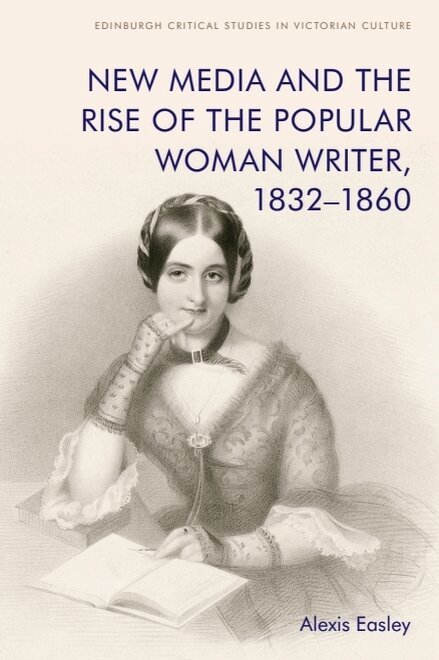
Explores the link between revolutionary change in the Victorian world of print and women’s entry into the field of mass-market publishingThis book highlights the integral relationship between the rise of the popular woman writer and the expansion and diversification of newspaper, book and periodical print media during a period of revolutionary change, 1832–1860. It includes discussion of canonical women writers such as Felicia Hemans, Charlotte Brontë and George Eliot, as well as lesser-known figures such as Eliza Cook and Frances Brown. It also examines the ways women readers actively responded to a robust popular print culture by creating scrapbooks and engaging in forms of celebrity worship. Easley analyses the ways Victorian women’s participation in popular print culture anticipates our own engagement with new media in the twenty-first century.
413 kr
Skickas inom 7-10 vardagar
Explores the link between revolutionary change in the Victorian world of print and women's entry into the field of mass-market publishingExplores the relationship between the rise of new media during the early decades of the Victorian era and the opportunities that arose for women to write for emerging mass-market audiencesBrings to light archival materials that illuminate the working lives of women writers, 1832-60Situates canonical women writers within emerging media and introduces the careers of a variety of lesser known authors of the periodThis book highlights the integral relationship between the rise of the popular woman writer and the expansion and diversification of newspaper, book and periodical print media during a period of unprecedented change, 1832 1860. It includes discussions of canonical women writers such as Felicia Hemans, Charlotte Bront and George Eliot, as well as lesser-known figures such as Eliza Cook and Frances Brown. It also examines the ways in which women readers actively responded to a robust popular print culture by creating scrapbooks and engaging in forms of celebrity worship. At the same time, it demonstrates how Victorian women's participation in popular print culture anticipates our own engagement with new media in the twenty-first century.
1 242 kr
Skickas inom 11-20 vardagar
This study examines literary celebrity in Britain from 1850 to 1914. Through lively analysis of rare cultural materials, Easley demonstrates the crucial role of the celebrity author in the formation of British national identity. As Victorians toured the homes and haunts of famous writers, they developed a sense of shared national heritage. At the same time, by reading sensational accounts of writers' lives, they were able to reconsider conventional gender roles and domestic arrangements. As women were featured in interviews and profiles, they were increasingly associated with the ephemerality of the popular press and were often excluded from emerging narratives of British literary history, which defined great literature as having a timeless appeal. Nevertheless, women writers were able to capitalize on celebrity media as a way of furthering their own careers and retelling history on their own terms. Press attention had a more positive effect on men's literary careers since they were expected to assume public identities; however, in some cases, media exposure had the effect of sensationalizing their lives, bodies, and careers. With the development of proto-feminist criticism and historiography, the life stories of male writers were increasingly used to expose unhealthy domestic relationships and imagine ideal forms of British masculinity.The first section of Literary Celebrity explores the practice of literary tourism in Victorian Britain, focusing specifically on the homes and haunts of Charles Dickens, Christina Rossetti, George Eliot, Elizabeth Barrett Browning, and Harriet Martineau. This investigation incorporates analysis of fascinating cultural texts, including maps, periodicals, and tourist guidebooks. Easley links the practice of literary tourism to a variety of cultural developments, including nationalism, urbanization, spiritualism, the women's movement, and the expansion of popular print culture. The second section provides fresh insight into the ways that celebrity culture informed the development of Victorian historiography. Easley demonstrates how women were able to re-tell history from a proto-feminist perspective by writing contemporary history, participating in architectural reform movements, and becoming active in literary societies. In this chapter she returns to the work of Harriet Martineau and introduces a variety of lesser-known contributors to the field, including Mary Gillies and Mary Ward. Literary Celebrity concludes with a third section focused on the expansion of celebrity media at the fin de siècle. These chapters and a brief coda link the popularization of celebrity news to the de-canonization of women writers, the professionalization of medicine, the development of the open space movement, and the institutionalization of English studies. These investigations elucidate the role of celebrity media in the careers of Charlotte Robinson, Marie Corelli, Mary Braddon, Harriet Martineau, Thomas Carlyle, Ernest Hart, and Octavia Hill. Published by University of Delaware Press. Distributed worldwide by Rutgers University Press.
591 kr
Skickas inom 10-15 vardagar
This study examines literary celebrity in Britain from 1850 to 1914. Through lively analysis of rare cultural materials, Easley demonstrates the crucial role of the celebrity author in the formation of British national identity. As Victorians toured the homes and haunts of famous writers, they developed a sense of shared national heritage. At the same time, by reading sensational accounts of writers' lives, they were able to reconsider conventional gender roles and domestic arrangements. As women were featured in interviews and profiles, they were increasingly associated with the ephemerality of the popular press and were often excluded from emerging narratives of British literary history, which defined great literature as having a timeless appeal. Nevertheless, women writers were able to capitalize on celebrity media as a way of furthering their own careers and retelling history on their own terms. Press attention had a more positive effect on men's literary careers since they were expected to assume public identities; however, in some cases, media exposure had the effect of sensationalizing their lives, bodies, and careers. With the development of proto-feminist criticism and historiography, the life stories of male writers were increasingly used to expose unhealthy domestic relationships and imagine ideal forms of British masculinity.The first section of Literary Celebrity explores the practice of literary tourism in Victorian Britain, focusing specifically on the homes and haunts of Charles Dickens, Christina Rossetti, George Eliot, Elizabeth Barrett Browning, and Harriet Martineau. This investigation incorporates analysis of fascinating cultural texts, including maps, periodicals, and tourist guidebooks. Easley links the practice of literary tourism to a variety of cultural developments, including nationalism, urbanization, spiritualism, the women's movement, and the expansion of popular print culture. The second section provides fresh insight into the ways that celebrity culture informed the development of Victorian historiography. Easley demonstrates how women were able to re-tell history from a proto-feminist perspective by writing contemporary history, participating in architectural reform movements, and becoming active in literary societies. In this chapter she returns to the work of Harriet Martineau and introduces a variety of lesser-known contributors to the field, including Mary Gillies and Mary Ward. Literary Celebrity concludes with a third section focused on the expansion of celebrity media at the fin de siècle. These chapters and a brief coda link the popularization of celebrity news to the de-canonization of women writers, the professionalization of medicine, the development of the open space movement, and the institutionalization of English studies. These investigations elucidate the role of celebrity media in the careers of Charlotte Robinson, Marie Corelli, Mary Braddon, Harriet Martineau, Thomas Carlyle, Ernest Hart, and Octavia Hill. Published by University of Delaware Press. Distributed worldwide by Rutgers University Press.