Alfred B. Evans – författare
Visar alla böcker från författaren Alfred B. Evans. Handla med fri frakt och snabb leverans.
6 produkter
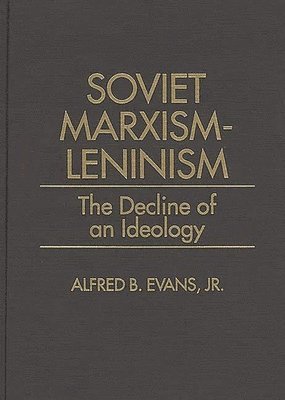
Soviet Marxism-Leninism
The Decline of an Ideology
Inbunden, 1993
1067 kr
Lägg i varukorg
This study examines the development of Marxist-Leninist ideology in the U.S.S.R. from its origins to the collapse of the Soviet regime. Alfred Evans argues that Soviet Marxism-Leninism was subject to significant adaptation under various leaders, contrary to the widespread impression that official …
Soviet Marxism-Leninism
The Decline of an Ideology
E-bok, 1993
1135 kr
Lägg i varukorg
This study examines the development of Marxist-Leninist ideology in the U.S.S.R. from its origins to the collapse of the Soviet regime. Alfred Evans argues that Soviet Marxism-Leninism was subject to significant adaptation under various leaders, contrary to the widespread impression that official …
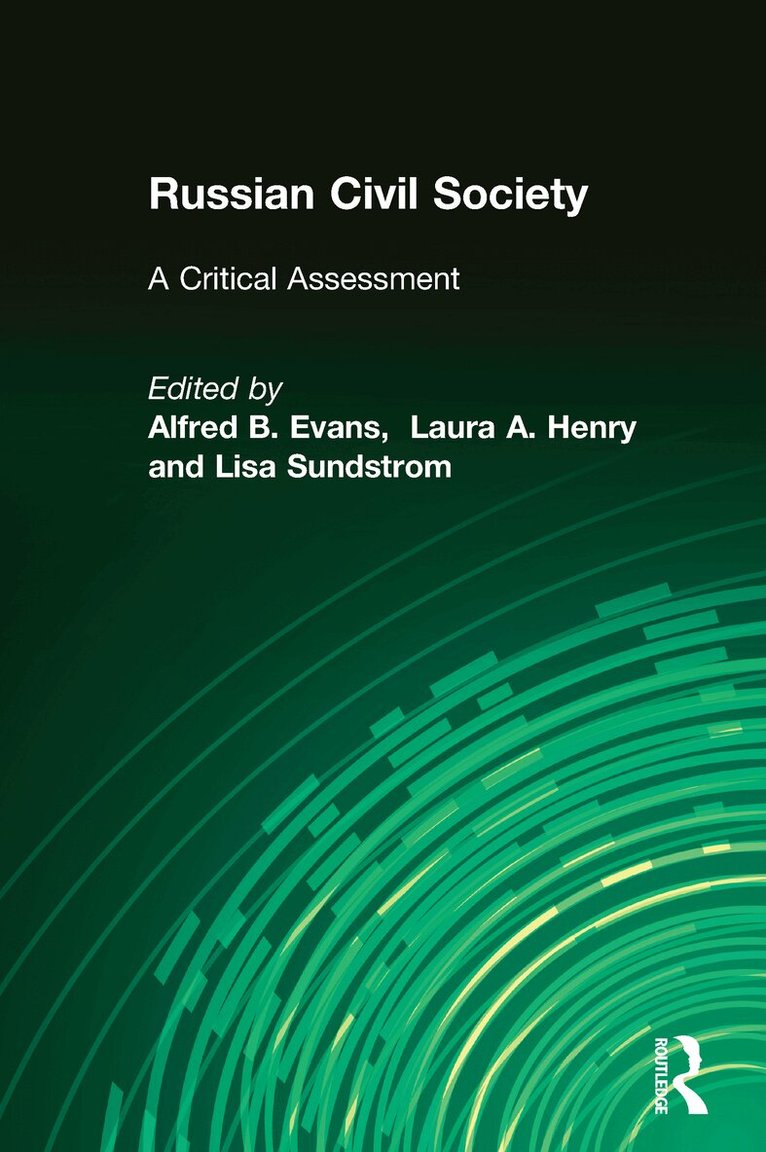
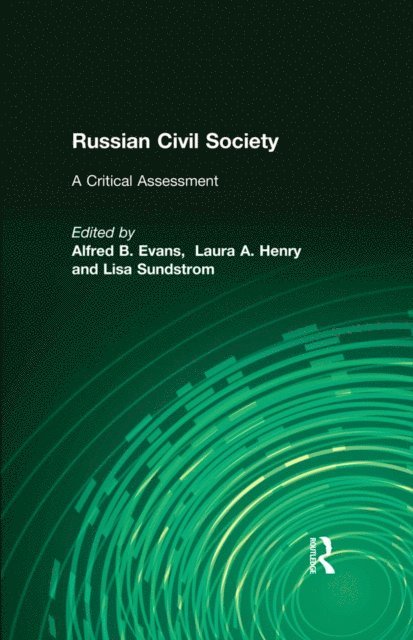
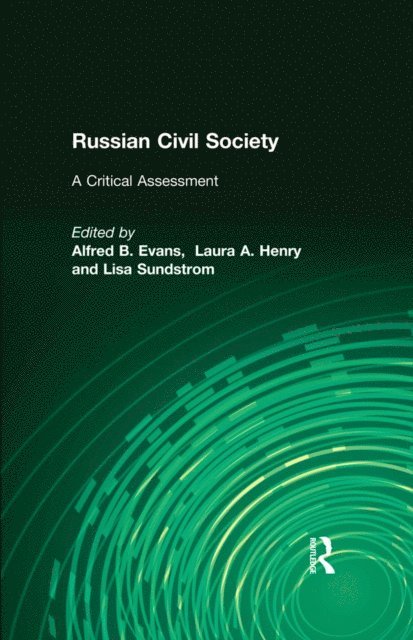
Russian Civil Society: A Critical Assessment
A Critical Assessment
Av Alfred B. Evans, Laura A. Henry m. fl.
Inbunden, 2006
3147 kr
Lägg i varukorg
A vibrant civil society - characterized by the independently organized activity of people as citizens, undirected by state authority - is an essential support for the development of freedom, democracy, and prosperity. Thus it has been one important indicator of the success of post-communist …
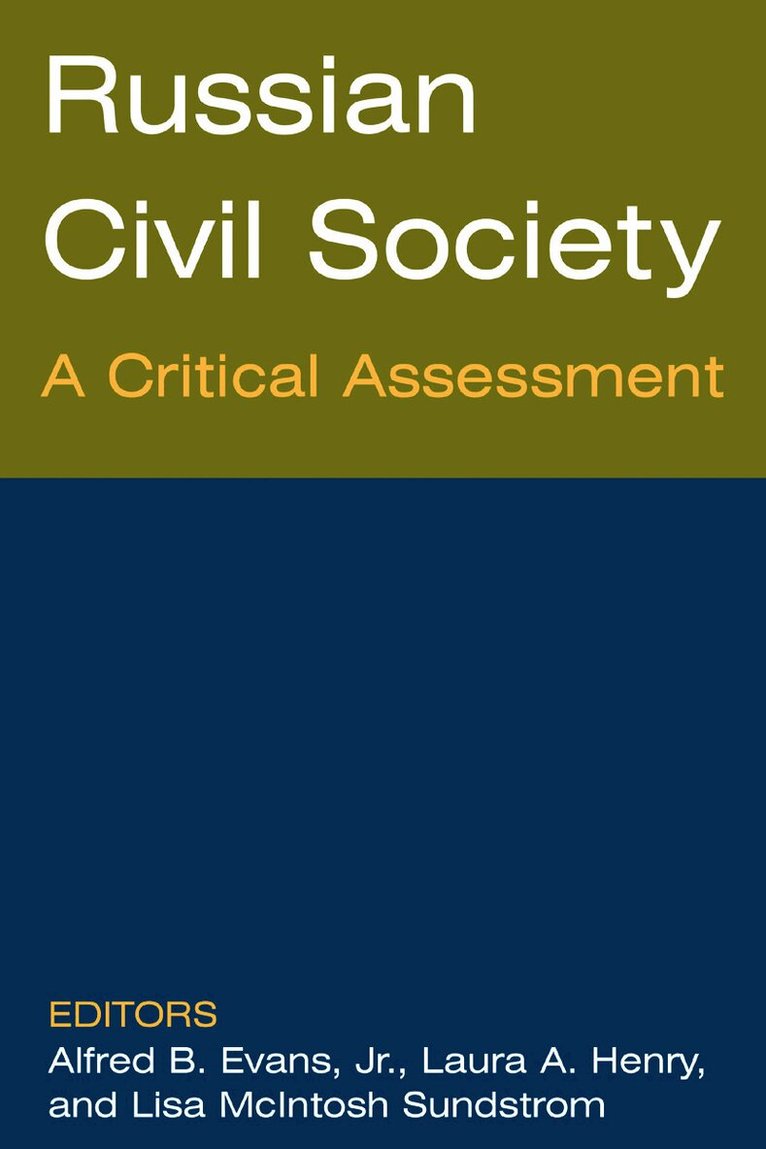
Russian Civil Society: A Critical Assessment
A Critical Assessment
Av Alfred B. Evans, Laura A. Henry m. fl.
Häftad, 2005
844 kr
Lägg i varukorg
A vibrant civil society - characterized by the independently organized activity of people as citizens, undirected by state authority - is an essential support for the development of freedom, democracy, and prosperity. Thus it has been one important indicator of the success of post-communist …
Russian Civil Society: A Critical Assessment
A Critical Assessment
Av Lisa Sundstrom, Laura A. Henry m. fl.
E-bok, 2016
970 kr
Lägg i varukorg
A vibrant civil society - characterized by the independently organized activity of people as citizens, undirected by state authority - is an essential support for the development of freedom, democracy, and prosperity. Thus it has been one important indicator of the success of post-communist …
Russian Civil Society: A Critical Assessment
A Critical Assessment
Av Lisa Sundstrom, Laura A. Henry m. fl.
E-bok, 2016
942 kr
Lägg i varukorg
A vibrant civil society - characterized by the independently organized activity of people as citizens, undirected by state authority - is an essential support for the development of freedom, democracy, and prosperity. Thus it has been one important indicator of the success of post-communist …