Alfred Masinire – författare
Visar alla böcker från författaren Alfred Masinire. Handla med fri frakt och snabb leverans.
6 produkter
6 produkter
Inbunden, Engelska, 2020
1 375 kr
Skickas inom 10-15 vardagar
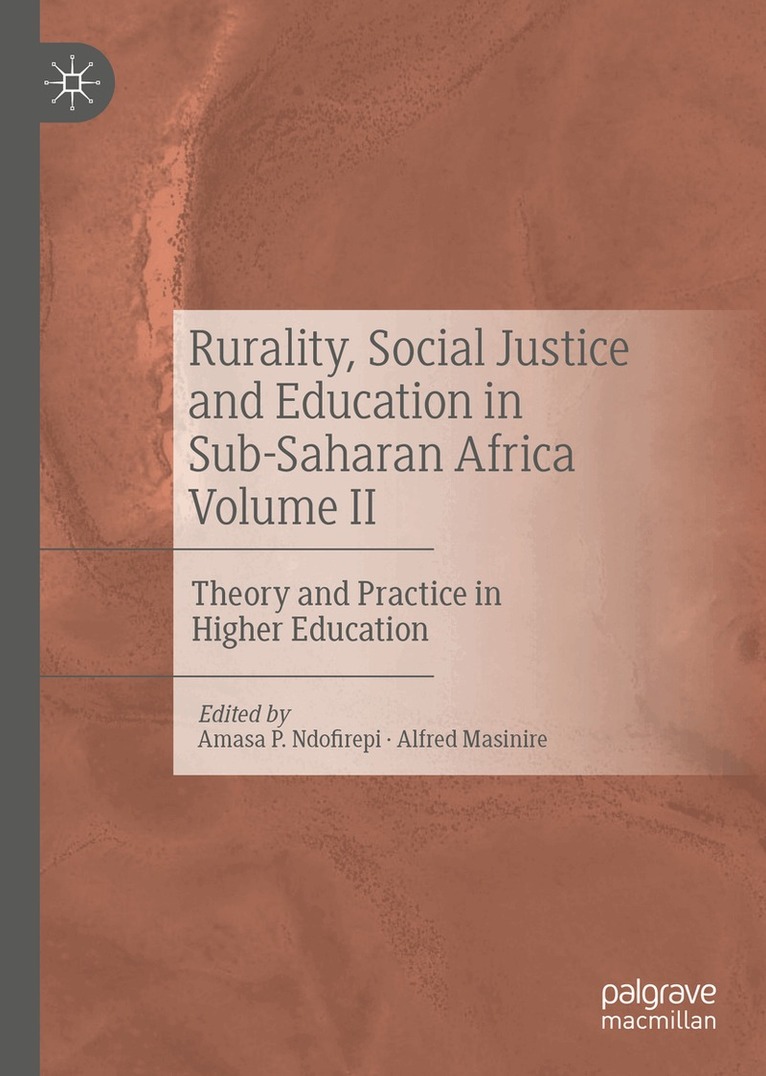
This book explores rurality and education in sub-Saharan Africa through a lens of social justice. The second volume of a two-volume project, this book explores possibilities and constraints of rural social justice in diverse educational contexts, with particular emphasis on higher education. Drawing on contexts from across sub-Saharan Africa, this volume examines such topics as student-teacher preparation, post-colonialism and access and participation. In doing so, these volumes reflect the need to shift conceptions of rurality from colonial and conservative stereotypes to an appreciation of rurality as locations in space and time. Focusing on inclusivity and intersectionality, these books raise important questions into rurality and social justice, and champion openness for education in rural communities who may be excluded.
E-bok
Engelska, 20201 639 kr
Läs direkt efter köp
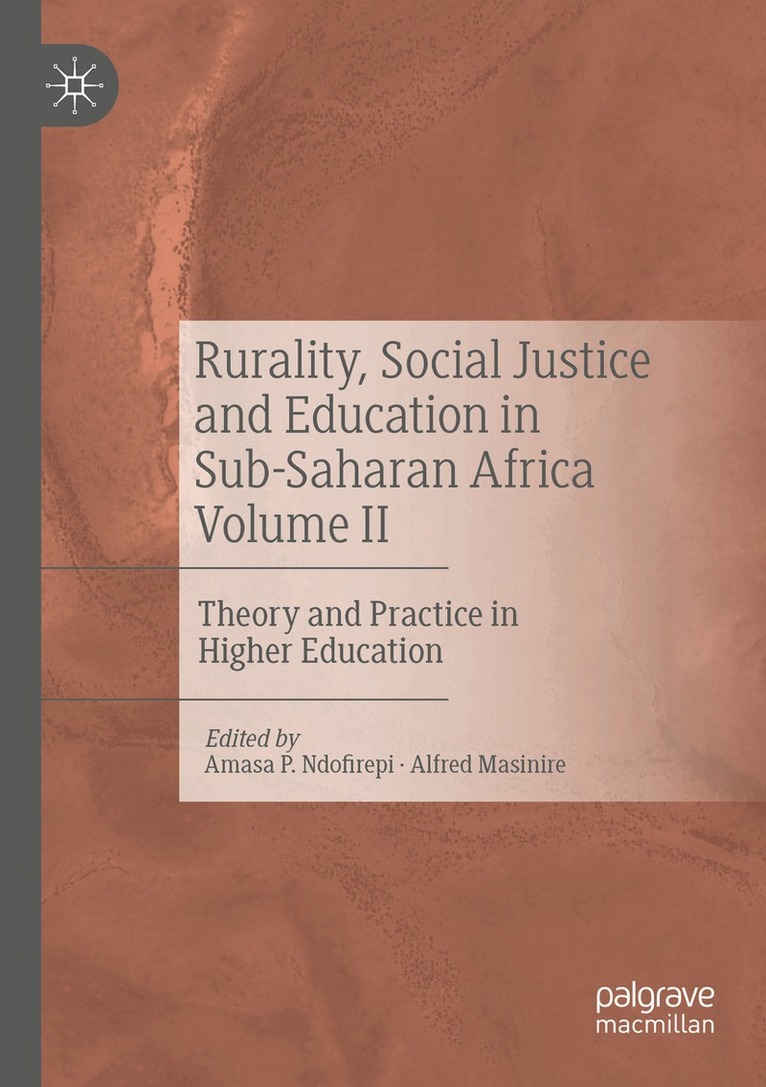
This book explores rurality and education in sub-Saharan Africa through a lens of social justice. The second volume of a two-volume project, this book explores possibilities and constraints of rural social justice in diverse educational contexts, with particular emphasis on higher education. Drawing on contexts from across sub-Saharan Africa, this volume examines such topics as student-teacher preparation, post-colonialism and access and participation. In doing so, these volumes reflect the need to shift conceptions of rurality from colonial and conservative stereotypes to an appreciation of rurality as locations in space and time. Focusing on inclusivity and intersectionality, these books raise important questions into rurality and social justice, and champion openness for education in rural communities who may be excluded.
Häftad, Engelska, 2021
1 375 kr
Skickas inom 10-15 vardagar
This book explores rurality and education in sub-Saharan Africa through a lens of social justice. The second volume of a two-volume project, this book explores possibilities and constraints of rural social justice in diverse educational contexts, with particular emphasis on higher education. Drawing on contexts from across sub-Saharan Africa, this volume examines such topics as student-teacher preparation, post-colonialism and access and participation. In doing so, these volumes reflect the need to shift conceptions of rurality from colonial and conservative stereotypes to an appreciation of rurality as locations in space and time. Focusing on inclusivity and intersectionality, these books raise important questions into rurality and social justice, and champion openness for education in rural communities who may be excluded.
Inbunden, Engelska, 2020
1 059 kr
Skickas inom 10-15 vardagar
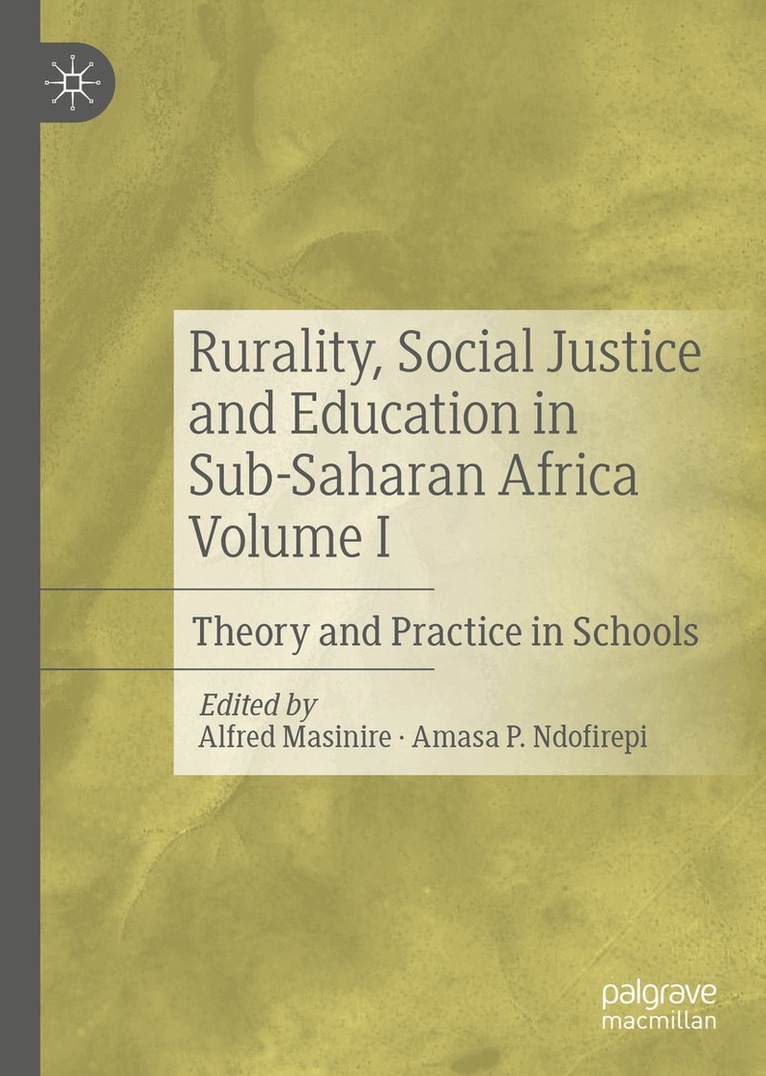
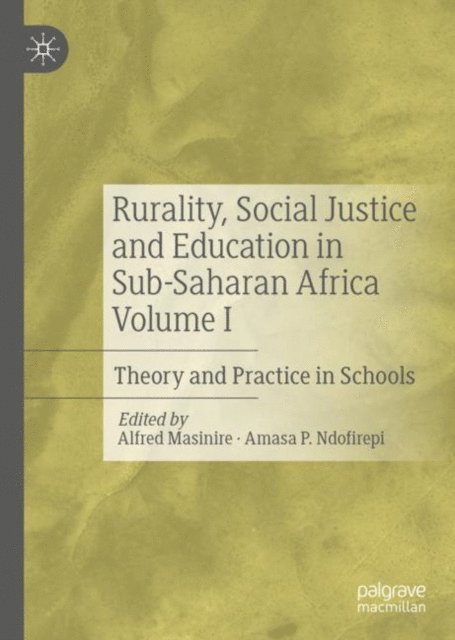
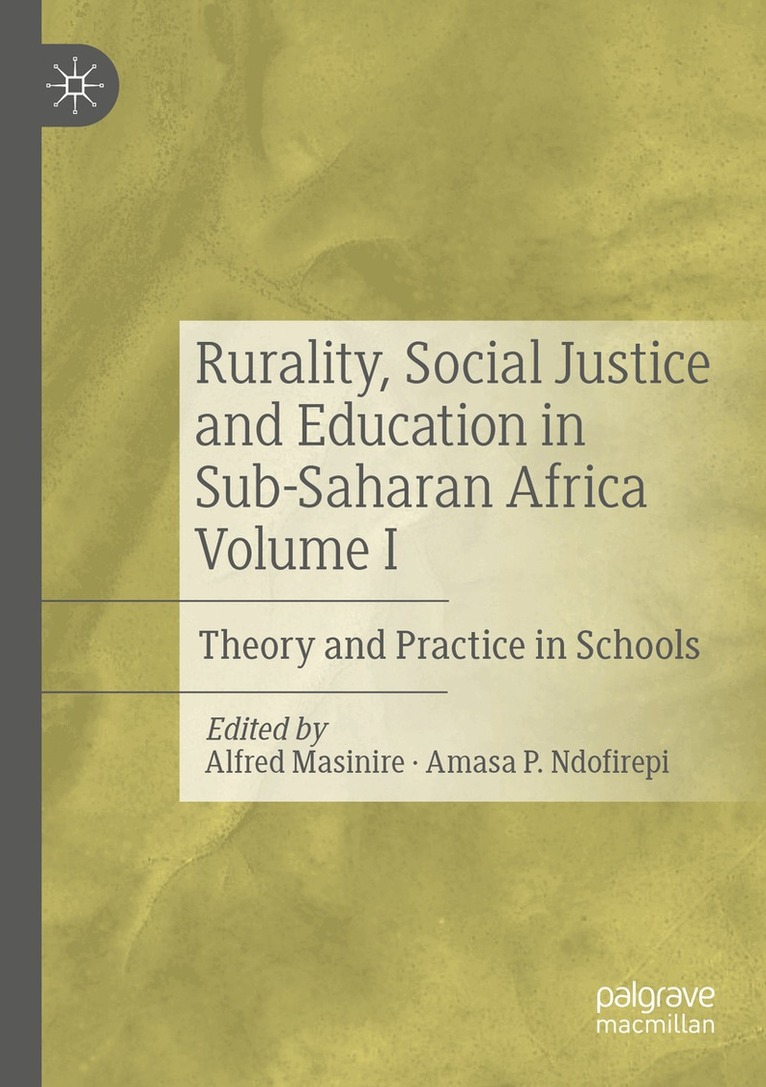
This book explores rurality and education in sub-Saharan Africa through a lens of social justice. The first in a two-volume project, this book explores the possibilities and constraints of rural social justice in diverse educational contexts: how should rurality be defined? How does education shape and reshape what it means to be rural? Drawing chapters from a diverse range of contributors in sub-Saharan Africa, the two volumes are underpinned by a robust social justice approach to rural schooling and its intersections with access, gender, colonialism, social mobility and dis/ability. Ultimately, these volumes reflect the need to shift conceptions of rurality from colonial and conservative stereotypes to an appreciation of rurality as locations in space and time, with their own unique attributes and opportunities. Harnessing indigenous African concepts of justice to open up conversations into teaching and knowledge production in higher education, this book will be of interest to scholars of rurality and education, as well as wider discussions on decolonising the academy.
E-bok
Engelska, 20201 328 kr
Läs direkt efter köp
This book explores rurality and education in sub-Saharan Africa through a lens of social justice. The first in a two-volume project, this book explores the possibilities and constraints of rural social justice in diverse educational contexts: how should rurality be defined? How does education shape and reshape what it means to be rural? Drawing chapters from a diverse range of contributors in sub-Saharan Africa, the two volumes are underpinned by a robust social justice approach to rural schooling and its intersections with access, gender, colonialism, social mobility and dis/ability. Ultimately, these volumes reflect the need to shift conceptions of rurality from colonial and conservative stereotypes to an appreciation of rurality as locations in space and time, with their own unique attributes and opportunities. Harnessing indigenous African concepts of justice to open up conversations into teaching and knowledge production in higher education, this book will be of interest to scholars of rurality and education, as well as wider discussions on decolonising the academy.
Häftad, Engelska, 2021
1 059 kr
Skickas inom 10-15 vardagar
This book explores rurality and education in sub-Saharan Africa through a lens of social justice. The first in a two-volume project, this book explores the possibilities and constraints of rural social justice in diverse educational contexts: how should rurality be defined? How does education shape and reshape what it means to be rural? Drawing chapters from a diverse range of contributors in sub-Saharan Africa, the two volumes are underpinned by a robust social justice approach to rural schooling and its intersections with access, gender, colonialism, social mobility and dis/ability. Ultimately, these volumes reflect the need to shift conceptions of rurality from colonial and conservative stereotypes to an appreciation of rurality as locations in space and time, with their own unique attributes and opportunities. Harnessing indigenous African concepts of justice to open up conversations into teaching and knowledge production in higher education, this book will be of interest to scholars of rurality and education, as well as wider discussions on decolonising the academy.