Alfred V. Aho – författare
Visar alla böcker från författaren Alfred V. Aho. Handla med fri frakt och snabb leverans.
6 produkter
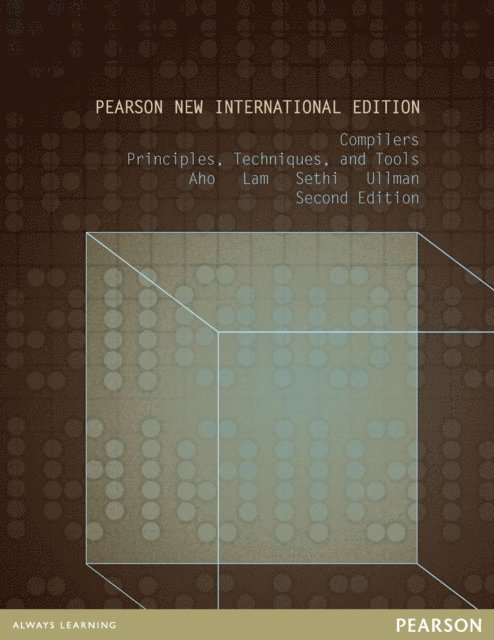
Compilers: Principles, Techniques, and Tools
Pearson New International Edition
Av Jeffrey D. Ullman, Ravi Sethi m. fl.
E-bok, 2013
820 kr
Lägg i varukorg
Compilers: Principles, Techniques and Tools , is known to professors, students, and developers worldwide as the "Dragon Book," . Every chapter has been revised to reflect developments in software engineering, programming languages, and computer architecture that have occurred since 1986, when the …
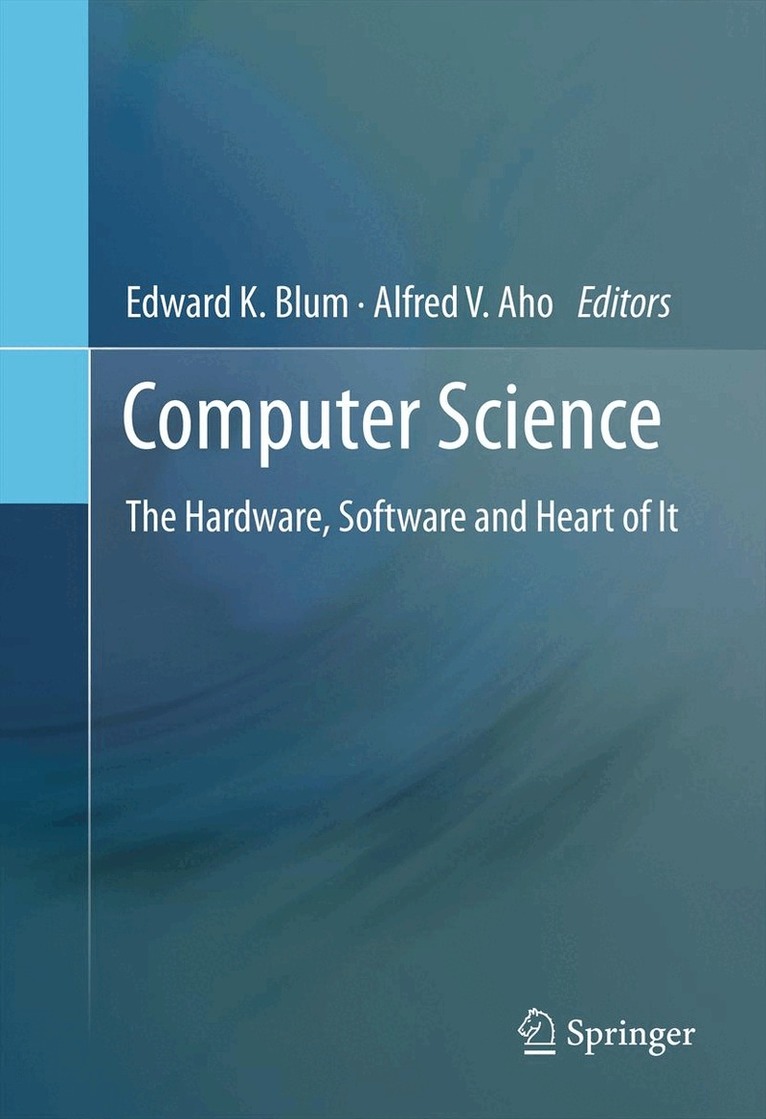
Computer Science
The Hardware, Software and Heart of It
Av Edward K. Blum, Alfred V Aho
Inbunden, 2011
568 kr
Lägg i varukorg
Computer Science: The Hardware, Software and Heart of It focuses on the deeper aspects of the two recognized subdivisions of Computer Science, Software and Hardware. These subdivisions are shown to be closely interrelated as a result of the stored-program concept. Computer Science: The Hardware, …
Computer Science
The Hardware, Software and Heart of It
Av Alfred V Aho, Edward K. Blum
E-bok, 2011
739 kr
Lägg i varukorg
Computer Science: The Hardware, Software and Heart of It focuses on the deeper aspects of the two recognized subdivisions of Computer Science, Software and Hardware. These subdivisions are shown to be closely interrelated as a result of the stored-program concept. Computer Science: The Hardware, …
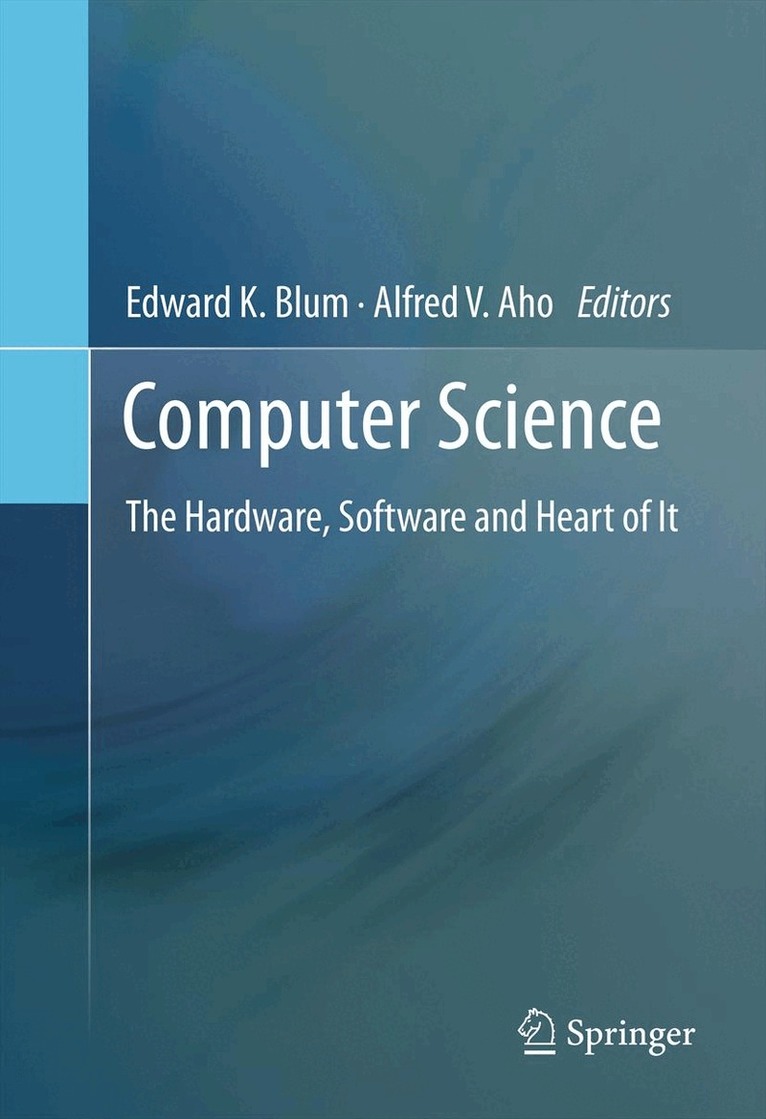
Computer Science
The Hardware, Software and Heart of It
Av Edward K. Blum, Alfred V Aho
Häftad, 2014
568 kr
Lägg i varukorg
Computer Science: The Hardware, Software and Heart of It focuses on the deeper aspects of the two recognized subdivisions of Computer Science, Software and Hardware. These subdivisions are shown to be closely interrelated as a result of the stored-program concept. Computer Science: The Hardware, …
Compilerbau, Teil 2, Compilerbau
Av Alfred V Aho, Ravi Sethi m. fl.
Inbunden, 1999
1484 kr
Lägg i varukorg
Jeder kennt das Drachenbuch: "Principles of Compiler Design", den Meilenstein in der Literatur zum Compilerbau. Der "neue Drache", geschrieben von der Arbeitsgruppe Alfred V. Aho, Ravi Sethi und Jeffrey D. Ullman und übersetzt von Prof. Dr. Gerhard Barth und seinen Mitarbeitern in der Universität …
Compilerbau
Av Alfred V Aho, Ravi Sethi m. fl.
Häftad, 1999
551 kr
Lägg i varukorg
Jeder kennt das Drachenbuch: "Principles of Compiler Design" von Alfred V. Aho und Jeffrey D. Ullman, den Meilenstein in der Literatur zum Compilerbau. Der "neue Drache", geschrieben von der Arbeitsgruppe Alfred V. Aho, Ravi Sethi und Jeffrey D. Ullman und übersetzt von Prof. Dr. Gerhard Barth und …