Ali Altaf Mian - Böcker
Visar alla böcker från författaren Ali Altaf Mian. Handla med fri frakt och snabb leverans.
4 produkter
4 produkter
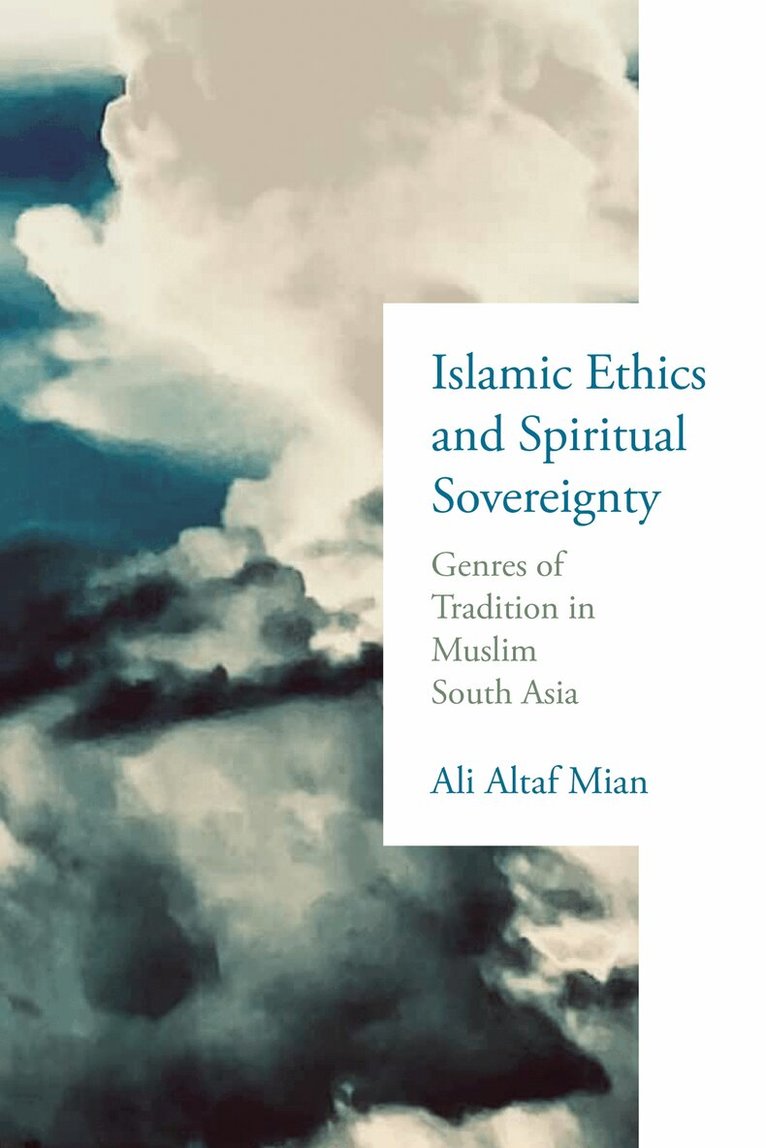
Islamic Ethics and Spiritual Sovereignty
Genres of Tradition in Muslim South Asia
Inbunden, Engelska, 2026
1 633 kr
Kommande
Ali Altaf Mian demonstrates how attention to genre and embodiment illuminates the concepts and practices of the Islamic tradition—and how theologians, Sufi mystics, and ordinary Muslims respond to the incapacitating tribulations of creaturely existence in modernity.Islamic Ethics and Spiritual Sovereignty is grounded in the vast textual archive of one of modern South Asia's foremost Muslim theologians and Sufis: Maulānā Ashraf ʿAlī Thānavī (1863–1943). Through a close examination of Maulānā Thānavī's corpus of writings, Ali Altaf Mian offers new insights into tradition as a discursive and affective crucible of ethical transformation and spiritual sovereignty.Philologically attuned and philosophically oriented, Islamic Ethics and Spiritual Sovereignty elucidates connections between traditions' forms of life and forms of language. Mian shows how intended and unconscious movements between genres in the life of tradition attend to the felt and perceived needs of the ensouled body at the dual scales of singularity and collectivity. Through a novel attention to textuality and psychic life, Mian elaborates a trans-genre reading practice to appreciate ritual law and ethical agency in the modern world. Insofar as modernity has been about individualism, the rise of literalism, and the disciplining of desire, religious traditions' capacity to respond to these hardships depends on renewing community, engaging textuality and the play of genres, and bracing the unknowability of desire.
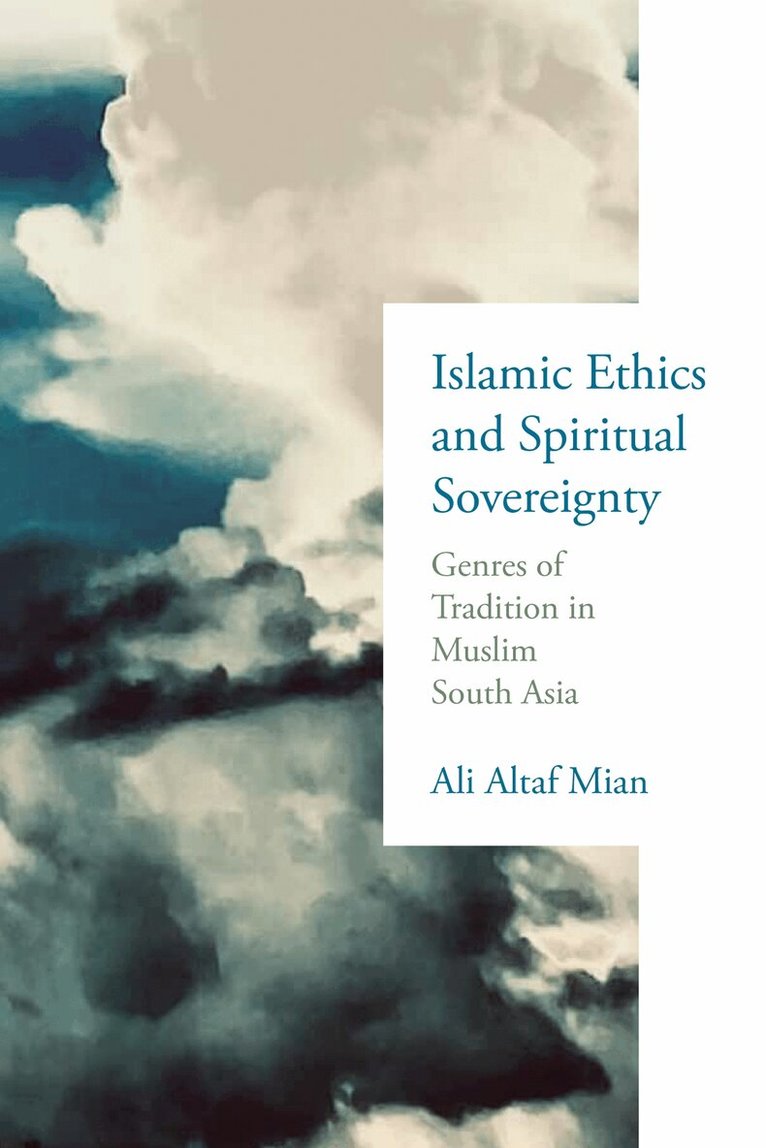
Islamic Ethics and Spiritual Sovereignty
Genres of Tradition in Muslim South Asia
Häftad, Engelska, 2026
347 kr
Kommande
Ali Altaf Mian demonstrates how attention to genre and embodiment illuminates the concepts and practices of the Islamic tradition—and how theologians, Sufi mystics, and ordinary Muslims respond to the incapacitating tribulations of creaturely existence in modernity.Islamic Ethics and Spiritual Sovereignty is grounded in the vast textual archive of one of modern South Asia's foremost Muslim theologians and Sufis: Maulānā Ashraf ʿAlī Thānavī (1863–1943). Through a close examination of Maulānā Thānavī's corpus of writings, Ali Altaf Mian offers new insights into tradition as a discursive and affective crucible of ethical transformation and spiritual sovereignty.Philologically attuned and philosophically oriented, Islamic Ethics and Spiritual Sovereignty elucidates connections between traditions' forms of life and forms of language. Mian shows how intended and unconscious movements between genres in the life of tradition attend to the felt and perceived needs of the ensouled body at the dual scales of singularity and collectivity. Through a novel attention to textuality and psychic life, Mian elaborates a trans-genre reading practice to appreciate ritual law and ethical agency in the modern world. Insofar as modernity has been about individualism, the rise of literalism, and the disciplining of desire, religious traditions' capacity to respond to these hardships depends on renewing community, engaging textuality and the play of genres, and bracing the unknowability of desire.
1 278 kr
Skickas inom 7-10 vardagar
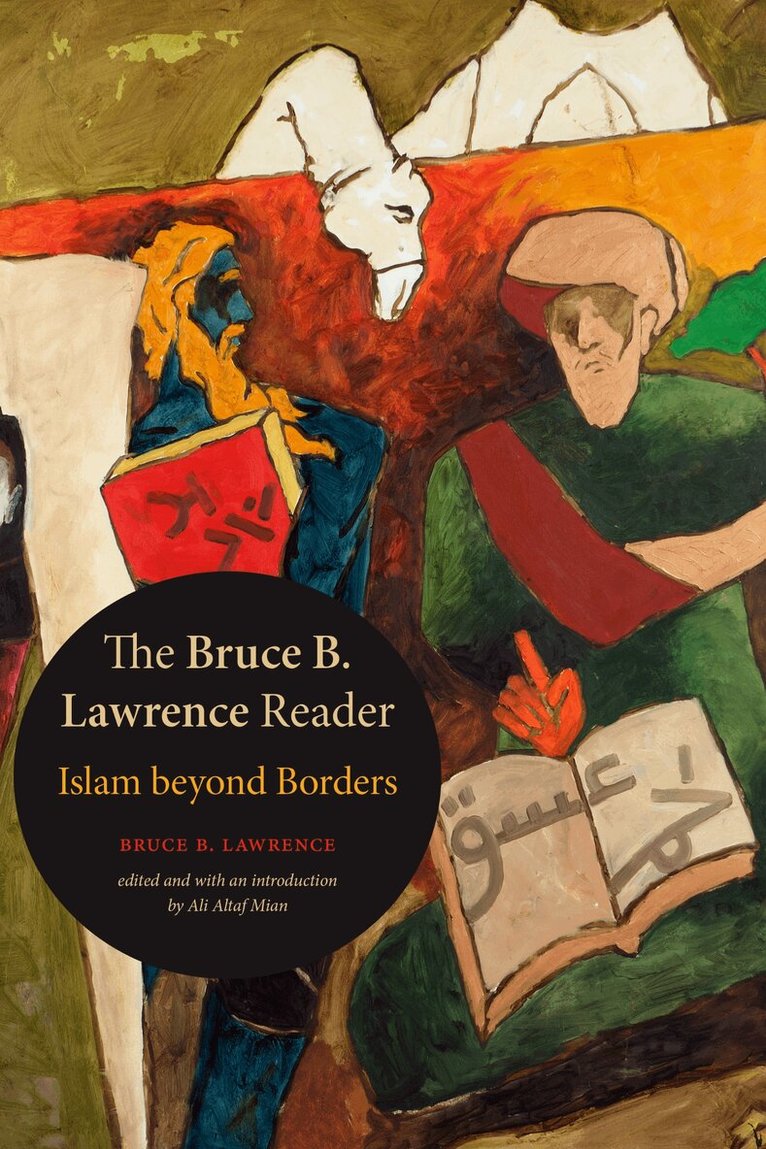
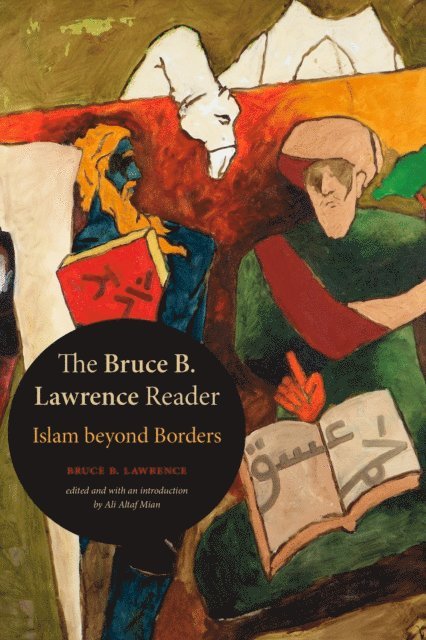
Over the course of his career, Bruce B. Lawrence has explored the central elements of Islamicate civilization and Muslim networks. This reader assembles more than two dozen of Lawrence's key writings, among them analyses of premodern and modern Islamic discourses, practices, and institutions and methodological reflections on the contextual study of religion. Six methodologies serve as the organizing rubric: theorizing Islam, revaluing Muslim comparativists, translating Sufism, deconstructing religious modernity, networking Muslims, and reflecting on the Divine. Throughout, Lawrence attributes the resilience of Islam to its cosmopolitan character and Muslims' engagement in cross-cultural dialogue. Several essays also address the central role of institutional Sufism in various phases and domains of Islamic history. The volume concludes with Lawrence's reflections on Islam's spiritual and aesthetic resources in the context of global comity. Modeling what it means to study Islam beyond political and disciplinary borders as well as a commitment to linking empathetic imagination with critical reflection, this reader presents the broad arc of Lawrence's prescient contributions to the study of Islam.
338 kr
Skickas inom 7-10 vardagar
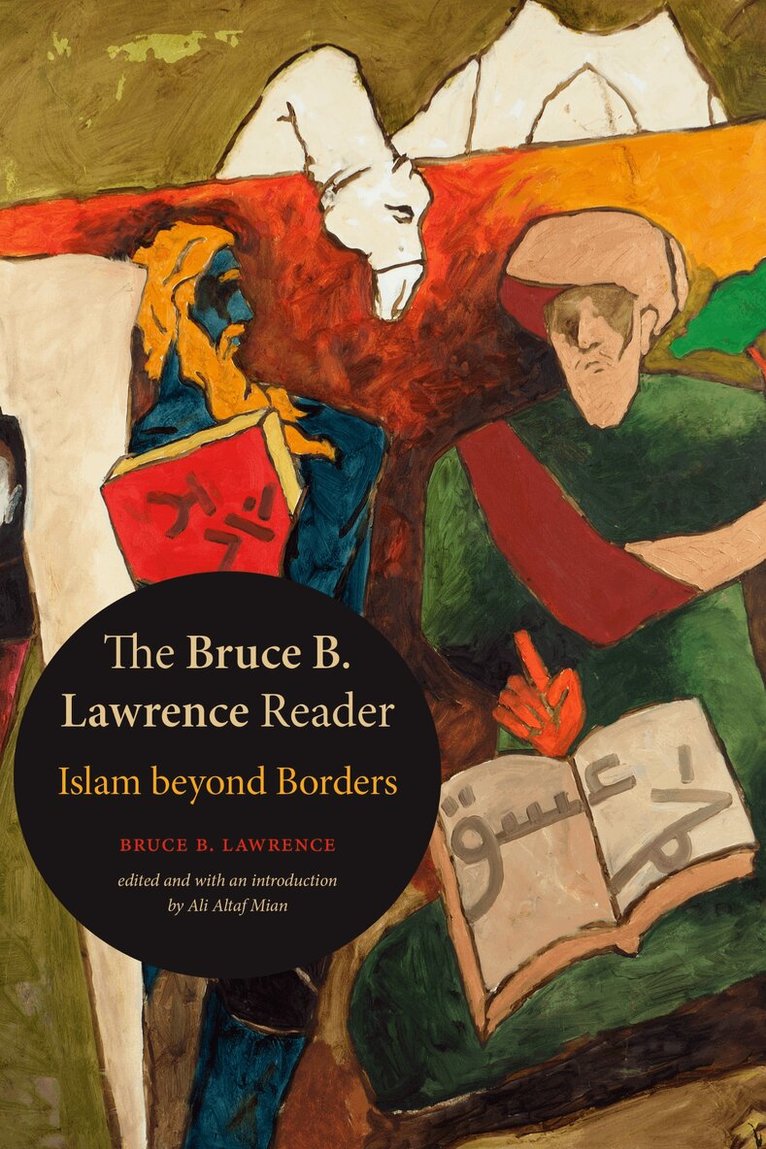
Over the course of his career, Bruce B. Lawrence has explored the central elements of Islamicate civilization and Muslim networks. This reader assembles more than two dozen of Lawrence's key writings, among them analyses of premodern and modern Islamic discourses, practices, and institutions and methodological reflections on the contextual study of religion. Six methodologies serve as the organizing rubric: theorizing Islam, revaluing Muslim comparativists, translating Sufism, deconstructing religious modernity, networking Muslims, and reflecting on the Divine. Throughout, Lawrence attributes the resilience of Islam to its cosmopolitan character and Muslims' engagement in cross-cultural dialogue. Several essays also address the central role of institutional Sufism in various phases and domains of Islamic history. The volume concludes with Lawrence's reflections on Islam's spiritual and aesthetic resources in the context of global comity. Modeling what it means to study Islam beyond political and disciplinary borders as well as a commitment to linking empathetic imagination with critical reflection, this reader presents the broad arc of Lawrence's prescient contributions to the study of Islam.