Ali Farazmand – författare
844 kr
Läs direkt efter köp
1 059 kr
Skickas inom 10-15 vardagar
1 300 kr
Skickas inom 10-15 vardagar
1 028 kr
Skickas inom 10-15 vardagar
1 021 kr
Skickas inom 10-15 vardagar
1 343 kr
Läs direkt efter köp
1 387 kr
Läs direkt efter köp
1 095 kr
Läs direkt efter köp
1 095 kr
Läs direkt efter köp
1 028 kr
Skickas inom 10-15 vardagar
1 028 kr
Skickas inom 10-15 vardagar
3 086 kr
Skickas inom 3-6 vardagar
2 242 kr
Skickas inom 3-6 vardagar
1 169 kr
Skickas inom 10-15 vardagar
2 773 kr
Skickas inom 10-15 vardagar
3 258 kr
Skickas inom 10-15 vardagar
3 119 kr
Skickas inom 10-15 vardagar
1 874 kr
Skickas inom 10-15 vardagar
2 028 kr
Läs direkt efter köp
2 619 kr
Läs direkt efter köp
3 650 kr
Läs direkt efter köp
844 kr
Läs direkt efter köp
3 812 kr
Läs direkt efter köp
3 846 kr
Läs direkt efter köp
844 kr
Läs direkt efter köp
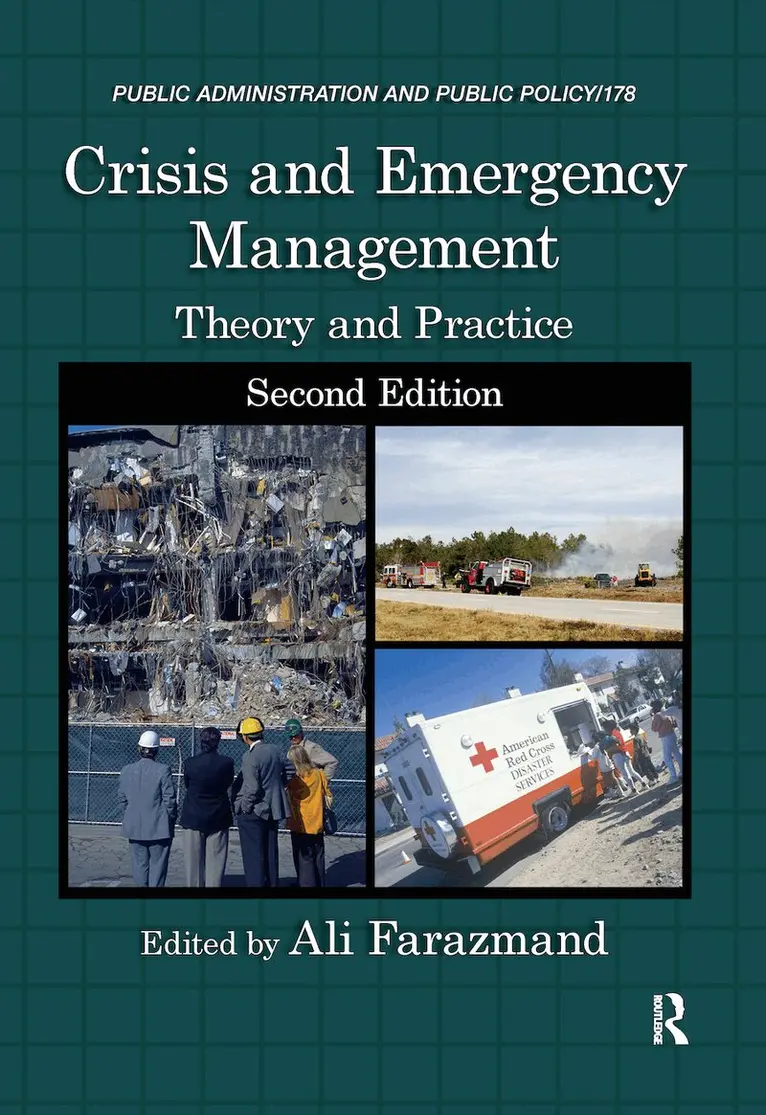
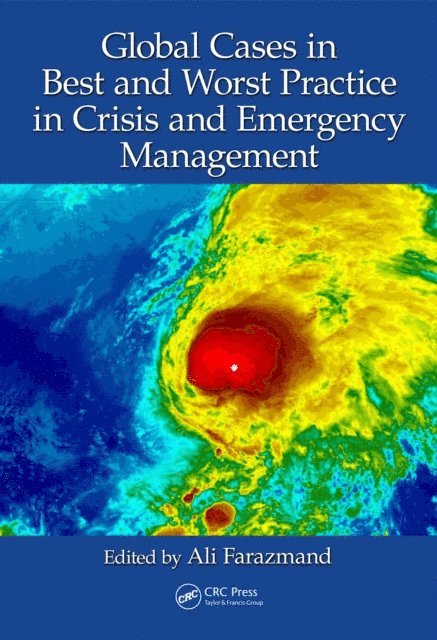
More than 12 years have passed since the publication of the first edition of Crisis and Emergency Management. During that time numerous disasters—from 9/11 to massive earthquakes in Iran and China, to the giant Asian Tsunami, Hurricane Katrina, and the Fukushima Tsunami and ensuing nuclear meltdown—have changed the way we manage catastrophic events. With contributions from leading experts, this second edition features 40 new chapters that address recent worldwide crises and what we have learned from emergency responses to them.
See What’s New in the Second Edition:
Up-to-date concepts, theories, and practices Analysis of recent disasters and their effect on emergency management Policy and managerial lessons Suggestions for capacity building in crisis and emergency management
The book covers a wide range of international issues using critical, empirical, and quantitative analyses. It discusses various approaches to topics such as resolving political tension and terrorism issues, the potential use of biological weapons, and the role of public relations in crisis. The author offers insight into organizational and community resiliency development; a "surprise management" theory in practice for upgrading the knowledge and skills in managing crises and governing emergencies; and better and more effective organizational, political, social, and managerial coordination in the processes. He presents case studies that enhance and advance the future theory and practice of crisis and emergency management, while at the same time providing practical advice that can be put to use immediately.
Managing crises and governing emergencies in such an age of challenges demands a different kind of knowledge, skills, and attitudes that were not available yesterday. This book gives you valuable information with applications at the macro, micro, organizational, and interorganizational levels, preparing you for emergency management in an increasingly globalized and uncertain world.
844 kr
Läs direkt efter köp
More than 12 years have passed since the publication of the first edition of Crisis and Emergency Management. During that time numerous disasters—from 9/11 to massive earthquakes in Iran and China, to the giant Asian Tsunami, Hurricane Katrina, and the Fukushima Tsunami and ensuing nuclear meltdown—have changed the way we manage catastrophic events. With contributions from leading experts, this second edition features 40 new chapters that address recent worldwide crises and what we have learned from emergency responses to them.
See What’s New in the Second Edition:
Up-to-date concepts, theories, and practices Analysis of recent disasters and their effect on emergency management Policy and managerial lessons Suggestions for capacity building in crisis and emergency management
The book covers a wide range of international issues using critical, empirical, and quantitative analyses. It discusses various approaches to topics such as resolving political tension and terrorism issues, the potential use of biological weapons, and the role of public relations in crisis. The author offers insight into organizational and community resiliency development; a "surprise management" theory in practice for upgrading the knowledge and skills in managing crises and governing emergencies; and better and more effective organizational, political, social, and managerial coordination in the processes. He presents case studies that enhance and advance the future theory and practice of crisis and emergency management, while at the same time providing practical advice that can be put to use immediately.
Managing crises and governing emergencies in such an age of challenges demands a different kind of knowledge, skills, and attitudes that were not available yesterday. This book gives you valuable information with applications at the macro, micro, organizational, and interorganizational levels, preparing you for emergency management in an increasingly globalized and uncertain world.
2 596 kr
Läs direkt efter köp
2 028 kr
Läs direkt efter köp
88 723 kr
Skickas inom 10-15 vardagar
91 593 kr
Läs direkt efter köp
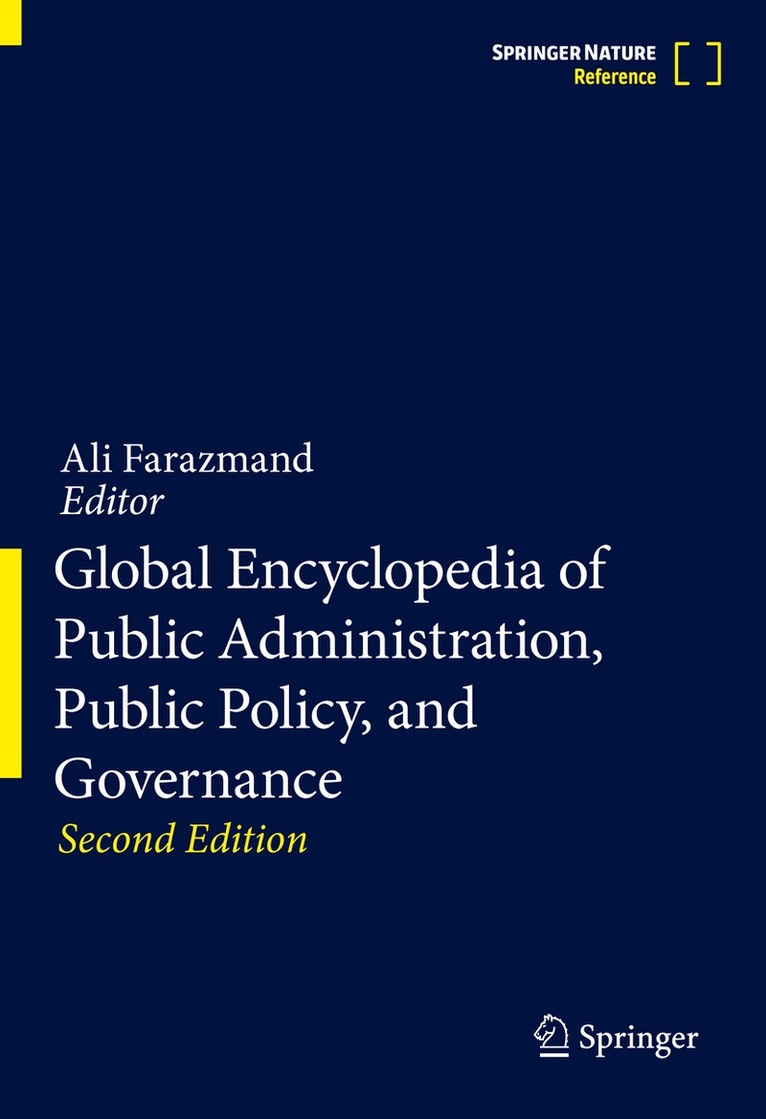
This global encyclopedic work serves as a comprehensive collection of global scholarship regarding the vast fields of public administration, public policy, governance, and management. Written and edited by leading international scholars and practitioners, this exhaustive resource covers all areas of the above fields and their numerous subfields of study. In keeping with the multidisciplinary spirit of these fields and subfields, the entries make use of various theoretical, empirical, analytical, practical, and methodological bases of knowledge.
Expanded and updated, the second edition includes over a thousand of new entries representing the most current research in public administration, public policy, governance, nonprofit and nongovernmental organizations, and management covering such important sub-areas as: 1. organization theory, behavior, change and development; 2. administrative theory and practice; 3. Bureaucracy; 4. public budgeting and financial management; 5. public economy and public management 6. public personnel administration and labor-management relations; 7. crisis and emergency management; 8. institutional theory and public administration; 9. law and regulations; 10. ethics and accountability; 11. public governance and private governance; 12. Nonprofit management and nongovernmental organizations; 13. Social, health, and environmental policy areas; 14. pandemic and crisis management; 15. administrative and governance reforms; 16. comparative public administration and governance; 17. globalization and international issues; 18. performance management; 19. geographical areas of the world with country-focused entries like Japan, China, Latin America, Europe, Asia, Africa, the Middle East, Russia and Eastern Europe, North America; and 20. a lot more.Relevant to professionals, experts, scholars, general readers, researchers, policy makers and manger, and students worldwide, this work will serve as the most viable global reference source for those looking for an introduction and advance knowledge to the field.