
Ali Hajimiri – författare
Visar alla böcker från författaren Ali Hajimiri. Handla med fri frakt och snabb leverans.
3 produkter
3 produkter
E-bok
PDF, Engelska, 20072 223 kr
Läs direkt efter köp
It is hardly a revelation to note that wireless and mobile communications have grown tremendously during the last few years. This growth has placed stringent requi- ments on channel spacing and, by implication, on the phase noise of oscillators. C- pounding the challenge has been a recent drive toward implementations of transceivers in CMOS, whose inferior 1/f noise performance has usually been thought to disqualify it from use in all but the lowest-performance oscillators. Low noise oscillators are also highly desired in the digital world, of course. The c- tinued drive toward higher clock frequencies translates into a demand for ev- decreasing jitter. Clearly, there is a need for a deep understanding of the fundamental mechanisms g- erning the process by which device, substrate, and supply noise turn into jitter and phase noise. Existing models generally offer only qualitative insights, however, and it has not always been clear why they are not quantitatively correct.
Inbunden, Engelska, 1999
1 730 kr
Skickas inom 10-15 vardagar
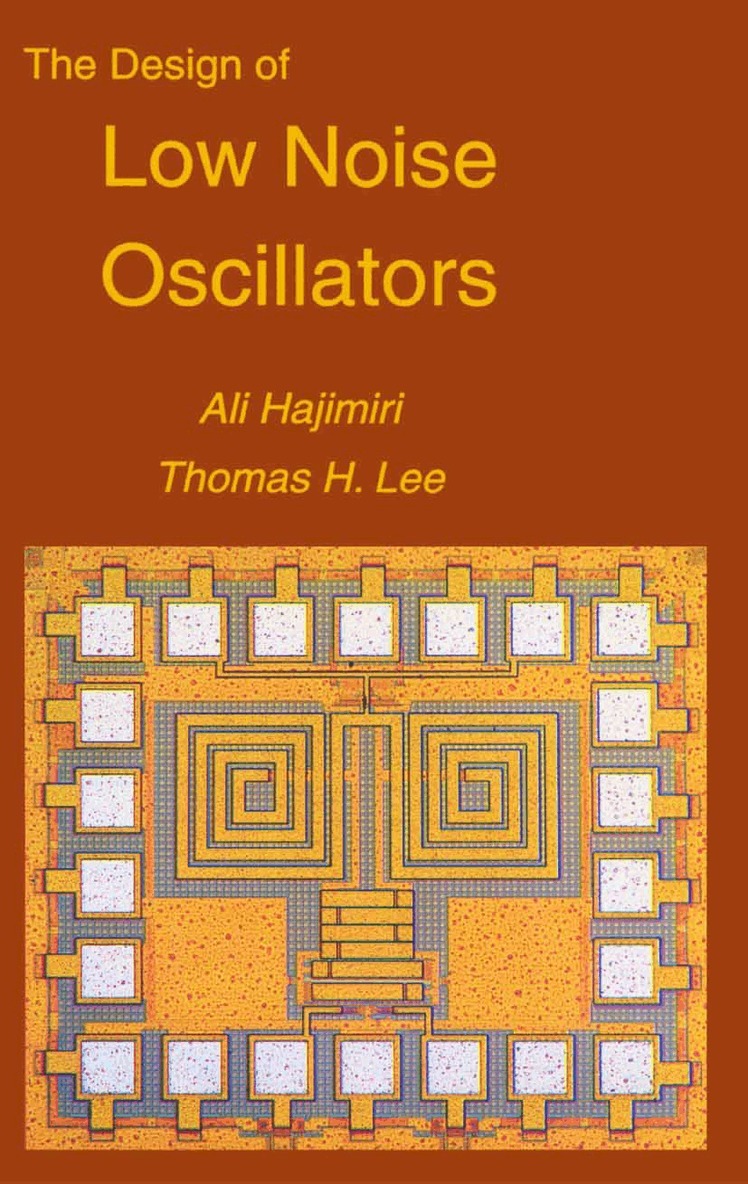
It is hardly a revelation to note that wireless and mobile communications have grown tremendously during the last few years. This growth has placed stringent requi- ments on channel spacing and, by implication, on the phase noise of oscillators. C- pounding the challenge has been a recent drive toward implementations of transceivers in CMOS, whose inferior 1/f noise performance has usually been thought to disqualify it from use in all but the lowest-performance oscillators. Low noise oscillators are also highly desired in the digital world, of course. The c- tinued drive toward higher clock frequencies translates into a demand for ev- decreasing jitter. Clearly, there is a need for a deep understanding of the fundamental mechanisms g- erning the process by which device, substrate, and supply noise turn into jitter and phase noise. Existing models generally offer only qualitative insights, however, and it has not always been clear why they are not quantitatively correct.
Häftad, Engelska, 2013
1 730 kr
Skickas inom 10-15 vardagar
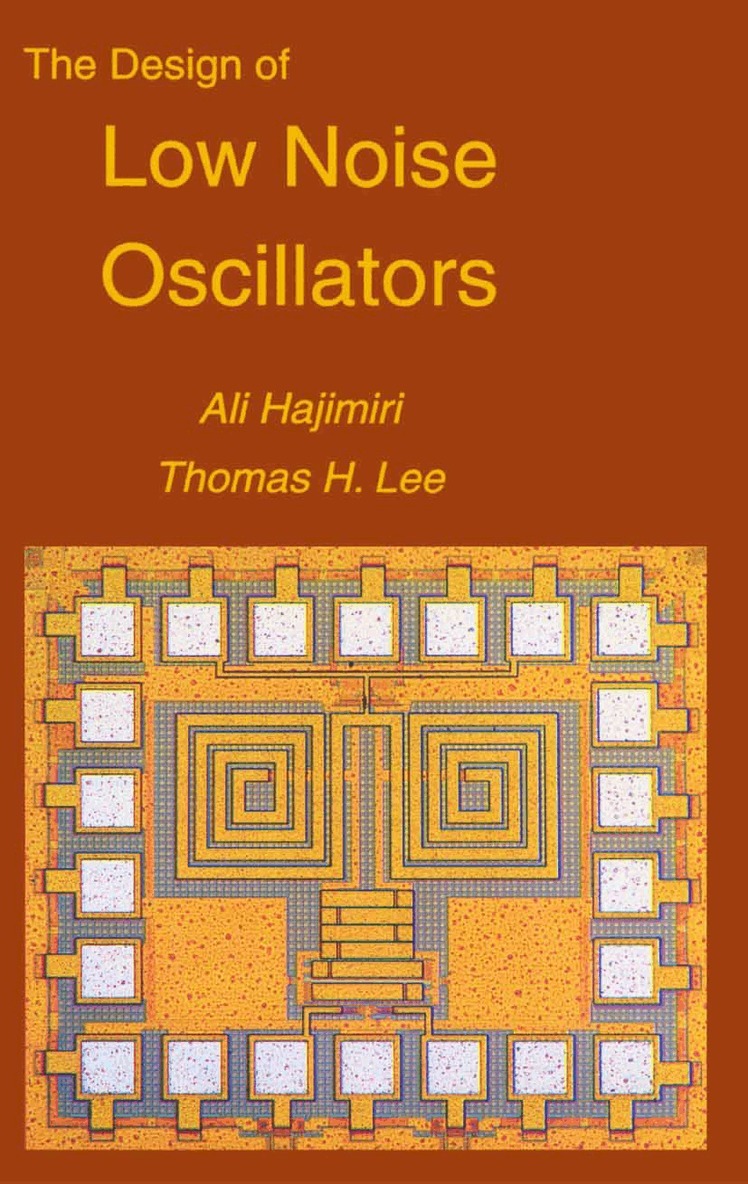
It is hardly a revelation to note that wireless and mobile communications have grown tremendously during the last few years. This growth has placed stringent requi- ments on channel spacing and, by implication, on the phase noise of oscillators. C- pounding the challenge has been a recent drive toward implementations of transceivers in CMOS, whose inferior 1/f noise performance has usually been thought to disqualify it from use in all but the lowest-performance oscillators. Low noise oscillators are also highly desired in the digital world, of course. The c- tinued drive toward higher clock frequencies translates into a demand for ev- decreasing jitter. Clearly, there is a need for a deep understanding of the fundamental mechanisms g- erning the process by which device, substrate, and supply noise turn into jitter and phase noise. Existing models generally offer only qualitative insights, however, and it has not always been clear why they are not quantitatively correct.