Alice Neikirk – författare
Visar alla böcker från författaren Alice Neikirk. Handla med fri frakt och snabb leverans.
4 produkter
4 produkter
Häftad, Engelska, 2023
332 kr
Skickas
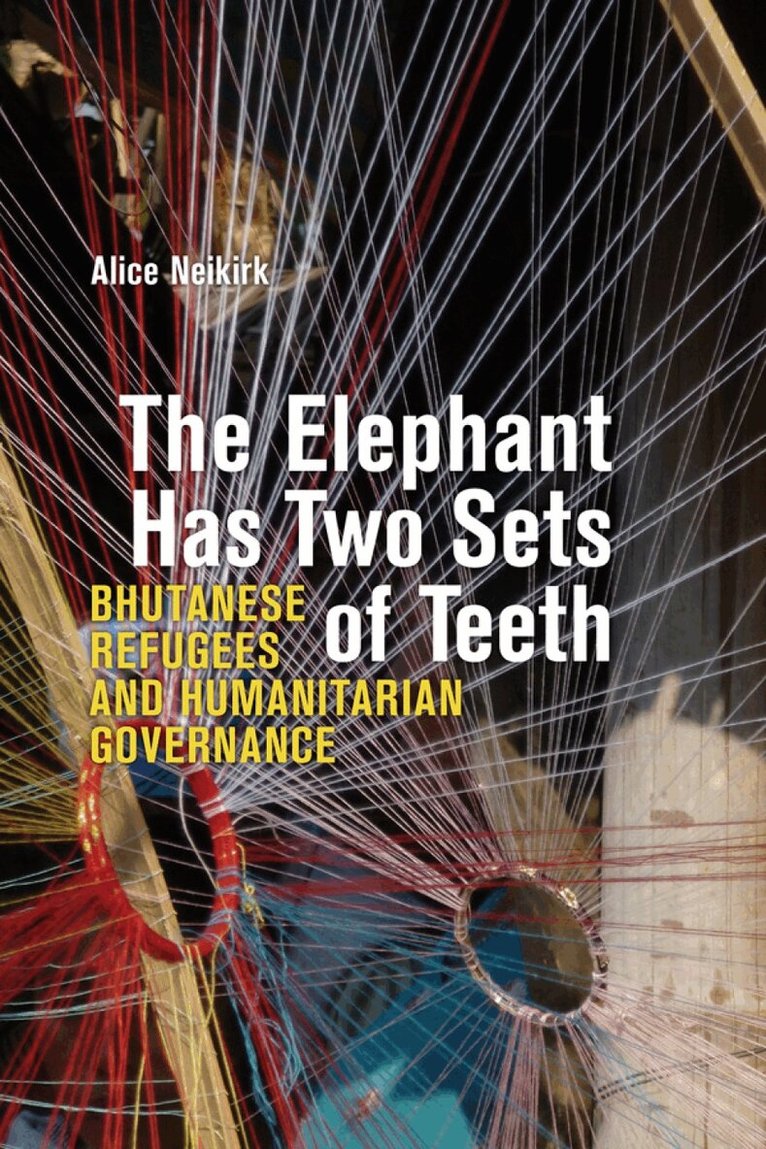
This ethnography follows Bhutanese refugees who fled Bhutan, resided in camps in Nepal, and finally settled in the vastly different culture of Australia. Along the way, they learn the ways that humanitarian compassion is used to oppress, contain, and erode human rights. They also learn, however, that this charitable framework has small cracks that allow for action. The Bhutanese find ways to move between the contradictory expectations of refugee-ness as they strive to become citizens. Their experiences illustrate the complex strands of power that intertwine to limit the scope of people who “deserve compassion.” Neikirk also describes how responses to refugee crises have shifted from facilitating the movement of people to enforcing their containment. Readers in refugee studies, anthropology, and development studies will be interested in this rich transnational study.
Häftad, Engelska, 2019
982 kr
Skickas inom 10-15 vardagar
This book examines expectations for justice in transitional societies and how stakeholder expectations are ignored, marginalized and co-opted by institutions in the wake of conflict. Focusing on institutions that have adopted international criminal trials, the authors encourage us to ask not only whether expectations are appropriate to institutions, but whether institutions are appropriate expectations. Drawing upon a wide variety of sources, this volume demonstrates that a profound ‘expectation gap’ – the gap between anticipated and likely outcomes of justice – exists in transitional justice systems and processes. This ‘expectation gap’ requires that the justice goals of local communities be managed accordingly. In proposing a perspective of enhanced engagement, the authors argue for greater compromise in the expectations, goals and design of transitional justice. This book will constitute an important and valuable resource for students of scholars of transitional justice as wellas practitioners, particularly with regards to the design of transitional justice responses.
Inbunden, Engelska, 2018
1 416 kr
Skickas inom 10-15 vardagar
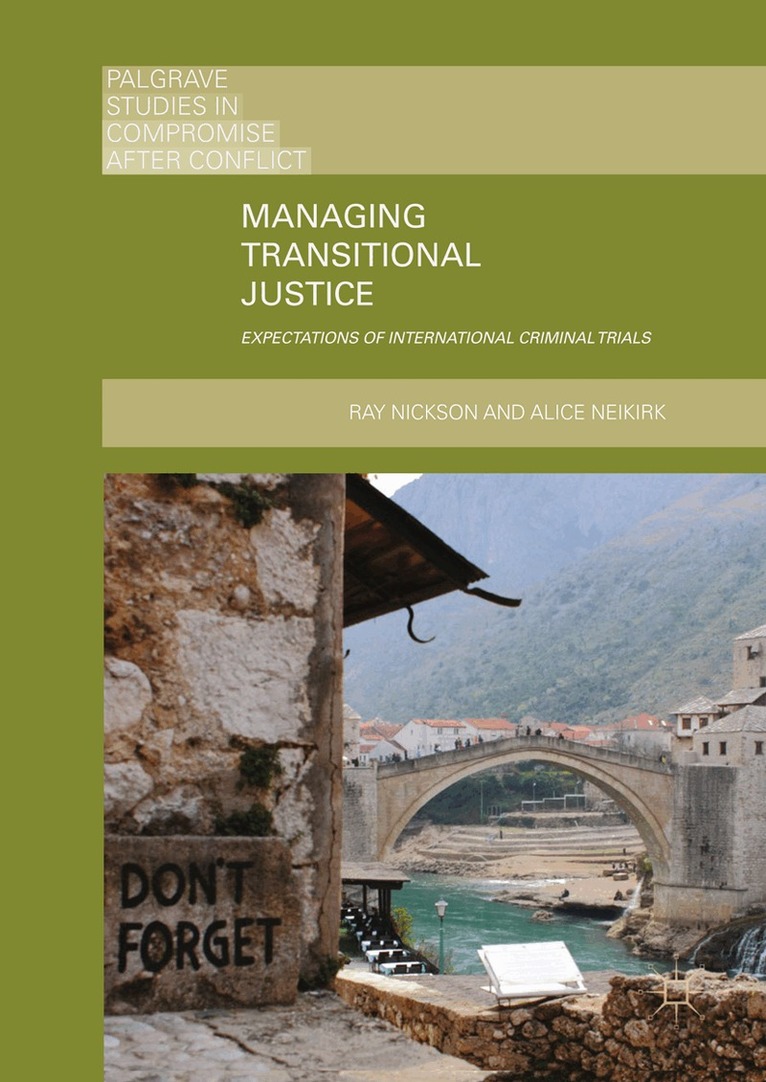
This book examines expectations for justice in transitional societies and how stakeholder expectations are ignored, marginalized and co-opted by institutions in the wake of conflict. Focusing on institutions that have adopted international criminal trials, the authors encourage us to ask not only whether expectations are appropriate to institutions, but whether institutions are appropriate expectations. Drawing upon a wide variety of sources, this volume demonstrates that a profound ‘expectation gap’ – the gap between anticipated and likely outcomes of justice – exists in transitional justice systems and processes. This ‘expectation gap’ requires that the justice goals of local communities be managed accordingly. In proposing a perspective of enhanced engagement, the authors argue for greater compromise in the expectations, goals and design of transitional justice. This book will constitute an important and valuable resource for students of scholars of transitional justice as wellas practitioners, particularly with regards to the design of transitional justice responses.
E-bok
Engelska, 20181 214 kr
Läs direkt efter köp
This book examines expectations for justice in transitional societies and how stakeholder expectations are ignored, marginalized and co-opted by institutions in the wake of conflict. Focusing on institutions that have adopted international criminal trials, the authors encourage us to ask not only whether expectations are appropriate to institutions, but whether institutions are appropriate expectations. Drawing upon a wide variety of sources, this volume demonstrates that a profound ‘expectation gap’ – the gap between anticipated and likely outcomes of justice – exists in transitional justice systems and processes. This ‘expectation gap’ requires that the justice goals of local communities be managed accordingly. In proposing a perspective of enhanced engagement, the authors argue for greater compromise in the expectations, goals and design of transitional justice. This book will constitute an important and valuable resource for students of scholars of transitional justice as wellas practitioners, particularly with regards to the design of transitional justice responses.