Alice Storey – författare
Visar alla böcker från författaren Alice Storey. Handla med fri frakt och snabb leverans.
6 produkter
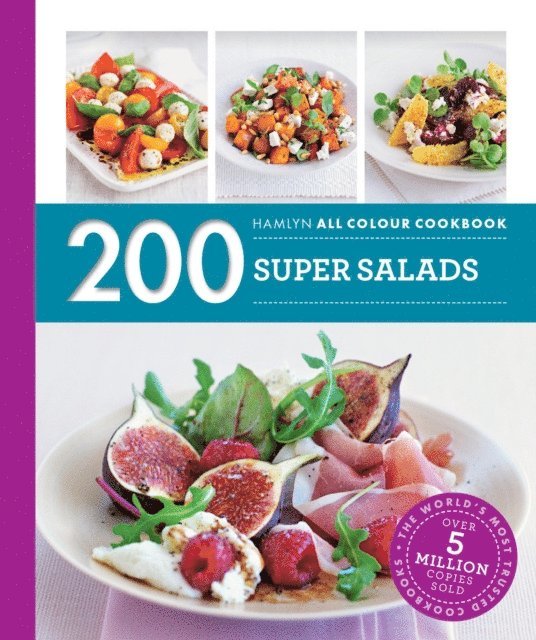
Hamlyn All Colour Cookery: 200 Super Salads
Hamlyn All Colour Cookbook
Av Alice Storey
E-bok, 2009
40 kr
Lägg i varukorg
Hamlyn All Colour Cookbook: 200 Super Salads provides 200 varied salads for every occasion including healthy summer salads, exotic fruit salads and warm salads for winter. Beautiful photographs and clear instructions make this book perfect for every cook. Presented in a handy format with …
Hamlyn All Colour Cookery: 200 Super Salads
Hamlyn All Colour Cookbook
Av Alice Storey
Häftad, 2016
110 kr
Lägg i varukorg
Hamlyn All Colour Cookery: 200 Super Salads provides 200 varied salads for every occasion including healthy summer salads, exotic fruit salads and warm salads for winter. Beautiful photographs and clear instructions make this book perfect for every cook. Presented in a handy format with …
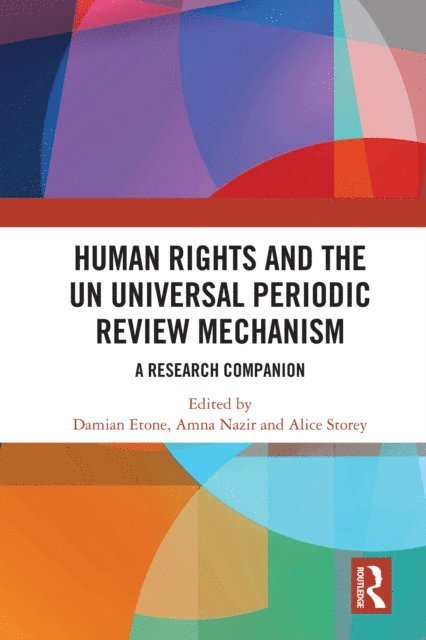
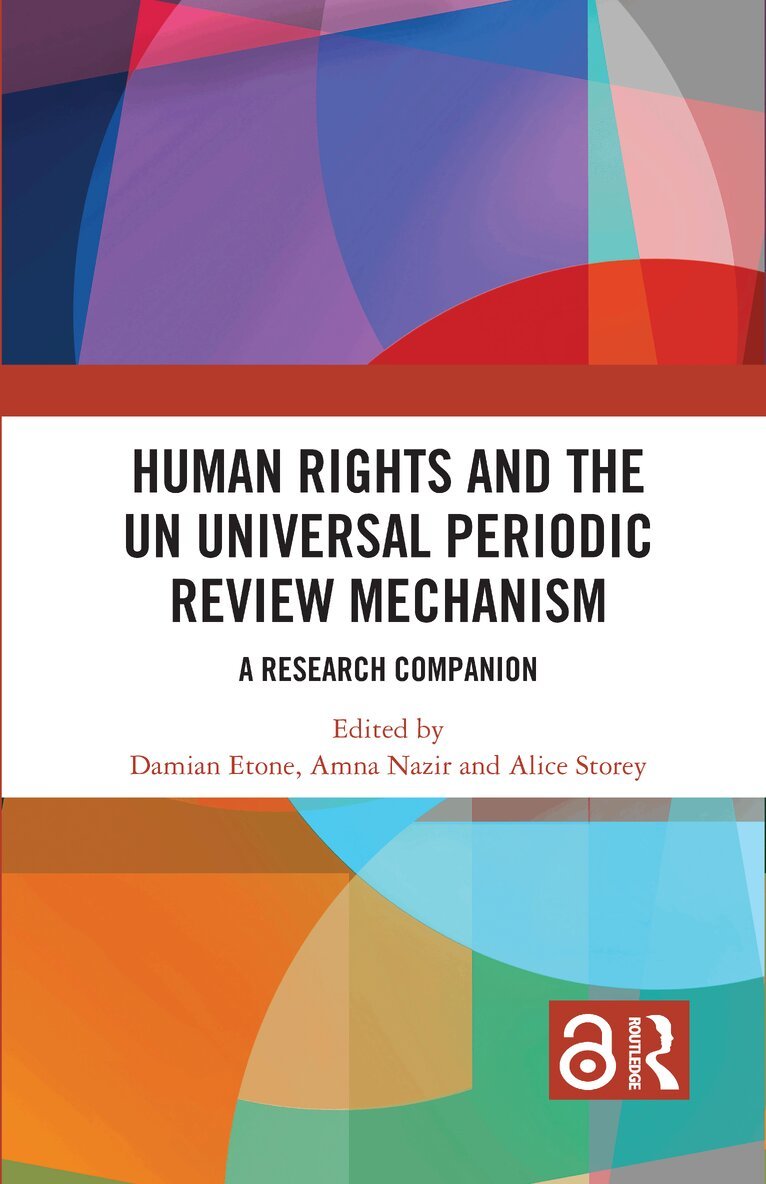
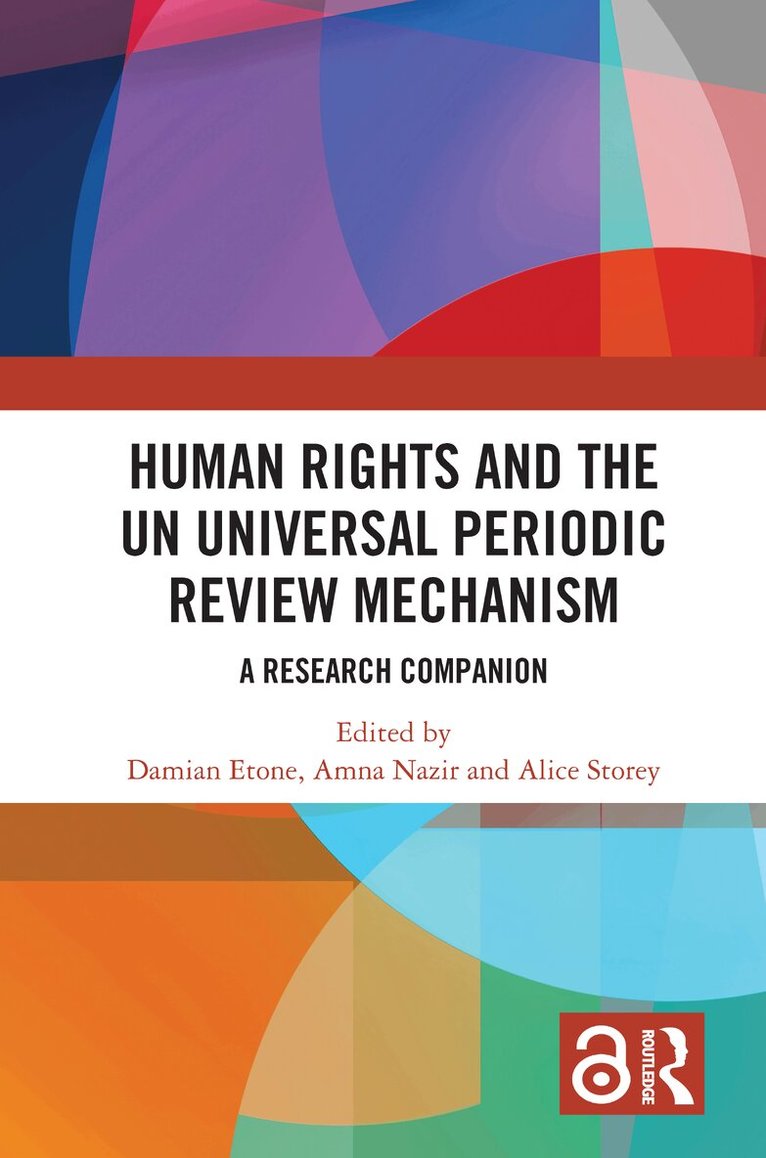
Human Rights and the UN Universal Periodic Review Mechanism
A Research Companion
Av Alice Storey, Amna Nazir m. fl.
E-bok, 2024
670 kr
Lägg i varukorg
The Universal Periodic Review (UPR) is a peer-review mechanism, reviewing all 193 UN Member States’ protection and promotion of human rights. After ten years of the existence of the UPR mechanism, this collection examines the effectiveness of the UPR, theoretical and conceptual debates about its …
Human Rights and the UN Universal Periodic Review Mechanism
A Research Companion
Av Alice Storey, Amna Nazir m. fl.
E-bok, 2024
685 kr
Lägg i varukorg
The Universal Periodic Review (UPR) is a peer-review mechanism, reviewing all 193 UN Member States’ protection and promotion of human rights. After ten years of the existence of the UPR mechanism, this collection examines the effectiveness of the UPR, theoretical and conceptual debates about its …
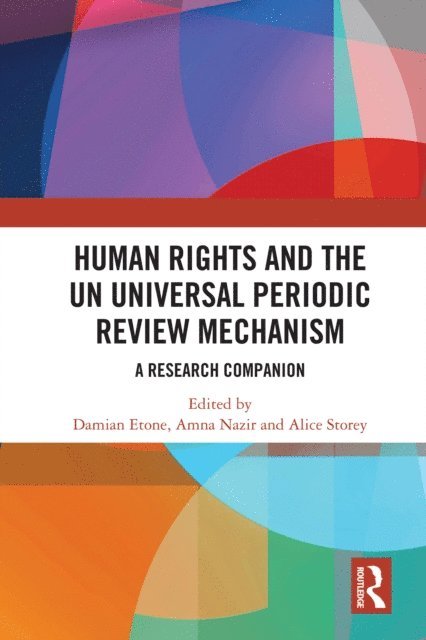
Human Rights and the UN Universal Periodic Review Mechanism
A Research Companion
Av Damian Etone, Amna Nazir m. fl.
Inbunden, 2024
2820 kr
Lägg i varukorg
The Universal Periodic Review (UPR) is a peer-review mechanism, reviewing all 193 UN Member States’ protection and promotion of human rights. After ten years of the existence of the UPR mechanism, this collection examines the effectiveness of the UPR, theoretical and conceptual debates about its …
Human Rights and the UN Universal Periodic Review Mechanism
A Research Companion
Av Damian Etone, Amna Nazir m. fl.
Häftad, 2025
649 kr
Lägg i varukorg
The Universal Periodic Review (UPR) is a peer-review mechanism, reviewing all 193 UN Member States’ protection and promotion of human rights. After ten years of the existence of the UPR mechanism, this collection examines the effectiveness of the UPR, theoretical and conceptual debates about its …