Alicia Castillo Villanueva – författare
Visar alla böcker från författaren Alicia Castillo Villanueva. Handla med fri frakt och snabb leverans.
9 produkter
9 produkter
E-bok
PDF, Engelska, 2026645 kr
Läs direkt efter köp
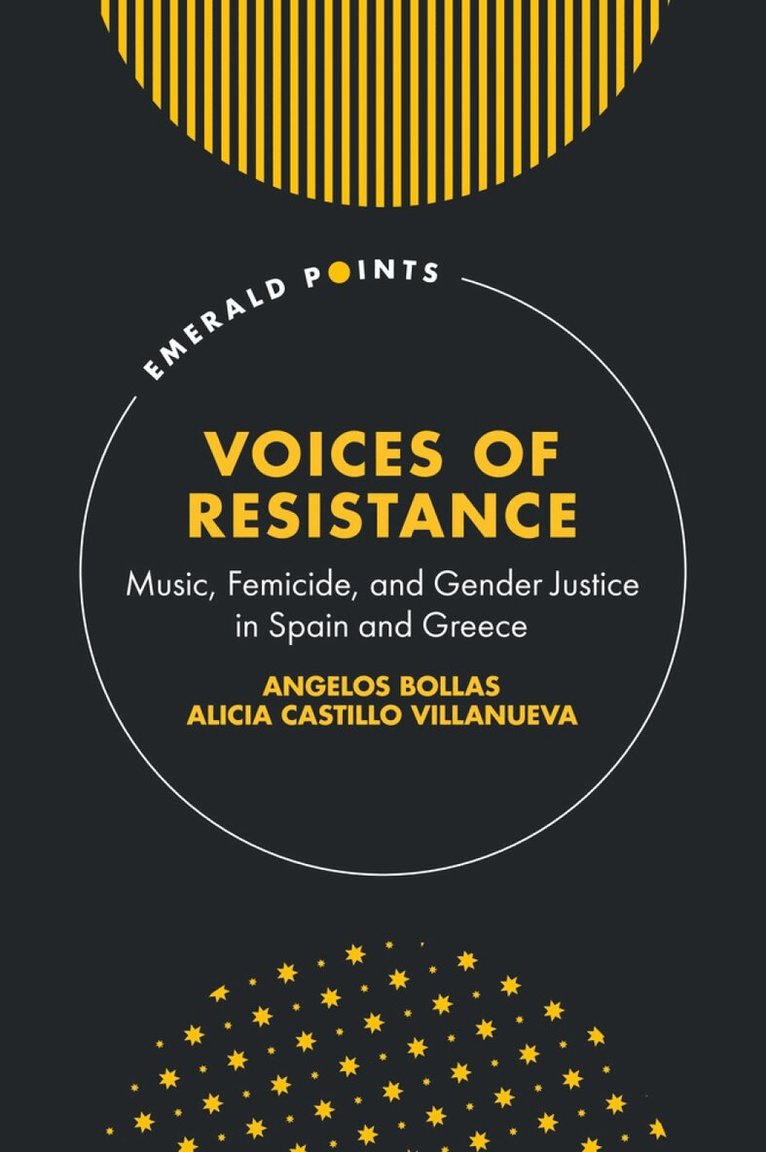
Voices of Resistance: Music, Femicide, and Gender Justice in Spain and Greece examines how feminist musical practices across Southern Europe confront femicide and gender-based violence through mourning, memory, and political resistance.Drawing on detailed national case studies, the book argues that in contexts marked by institutional silences, legal gaps, or patriarchal backlash, music becomes a crucial feminist tool for naming violence, honouring victims, and sustaining collective demands for justice. In Spain, a rich genealogy of feminist musical activism intersects with a robust yet contested legislative landscape functioning as emotional counter-publics that challenge antifeminist backlash and supplement the limitations of institutional responses. In Greece, where femicide lacks full legal recognition and media narratives often reproduce misogyny, music assumes an even more urgent role transforming public grief into mobilisation and forging affective publics that hold state and society accountable.Across both contexts, Voices of Resistance positions music as a vital yet incomplete mode of feminist world-making, capable of unsettling silence and imagining more just futures.
Inbunden, Engelska, 2026
637 kr
Skickas inom 5-8 vardagar
Voices of Resistance: Music, Femicide, and Gender Justice in Spain and Greece examines how feminist musical practices across Southern Europe confront femicide and gender-based violence through mourning, memory, and political resistance.Drawing on detailed national case studies, the book argues that in contexts marked by institutional silences, legal gaps, or patriarchal backlash, music becomes a crucial feminist tool for naming violence, honouring victims, and sustaining collective demands for justice. In Spain, a rich genealogy of feminist musical activism intersects with a robust yet contested legislative landscape – functioning as emotional counter-publics that challenge antifeminist backlash and supplement the limitations of institutional responses. In Greece, where femicide lacks full legal recognition and media narratives often reproduce misogyny, music assumes an even more urgent role – transforming public grief into mobilisation and forging affective publics that hold state and society accountable.Across both contexts, Voices of Resistance positions music as a vital yet incomplete mode of feminist world-making, capable of unsettling silence and imagining more just futures.
E-bok
Engelska, 2026645 kr
Läs direkt efter köp
Voices of Resistance: Music, Femicide, and Gender Justice in Spain and Greece examines how feminist musical practices across Southern Europe confront femicide and gender-based violence through mourning, memory, and political resistance.Drawing on detailed national case studies, the book argues that in contexts marked by institutional silences, legal gaps, or patriarchal backlash, music becomes a crucial feminist tool for naming violence, honouring victims, and sustaining collective demands for justice. In Spain, a rich genealogy of feminist musical activism intersects with a robust yet contested legislative landscape functioning as emotional counter-publics that challenge antifeminist backlash and supplement the limitations of institutional responses. In Greece, where femicide lacks full legal recognition and media narratives often reproduce misogyny, music assumes an even more urgent role transforming public grief into mobilisation and forging affective publics that hold state and society accountable.Across both contexts, Voices of Resistance positions music as a vital yet incomplete mode of feminist world-making, capable of unsettling silence and imagining more just futures.
Inbunden, Engelska, 2018
1 432 kr
Skickas inom 10-15 vardagar
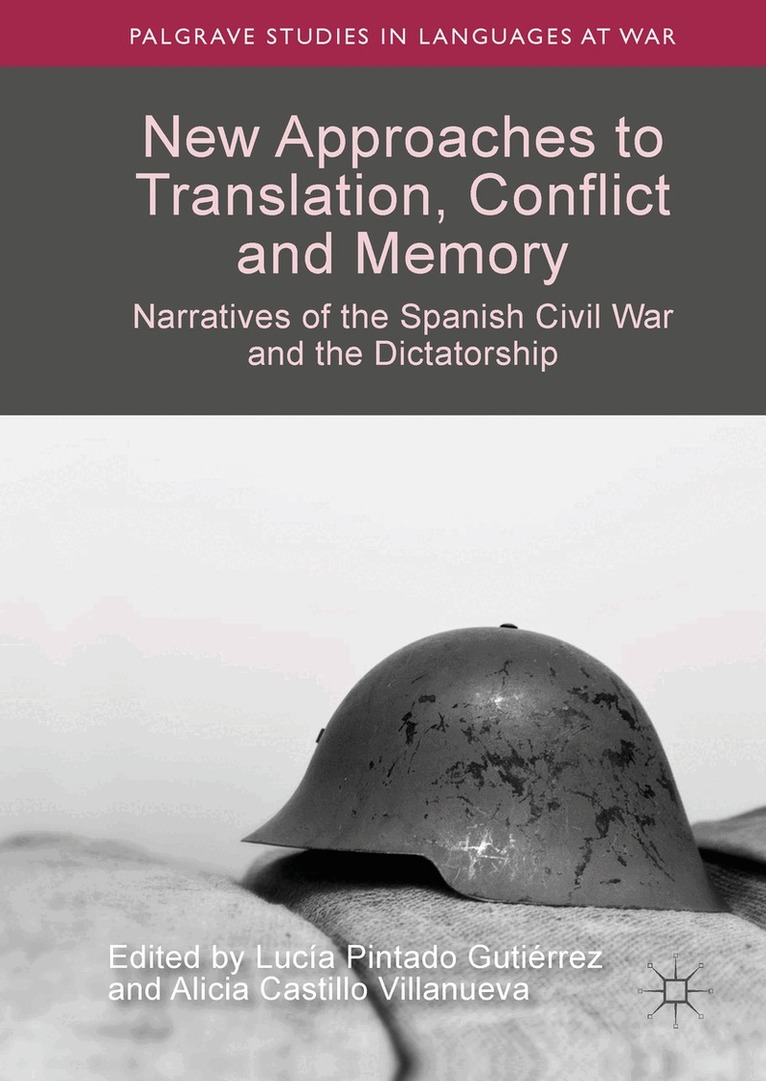
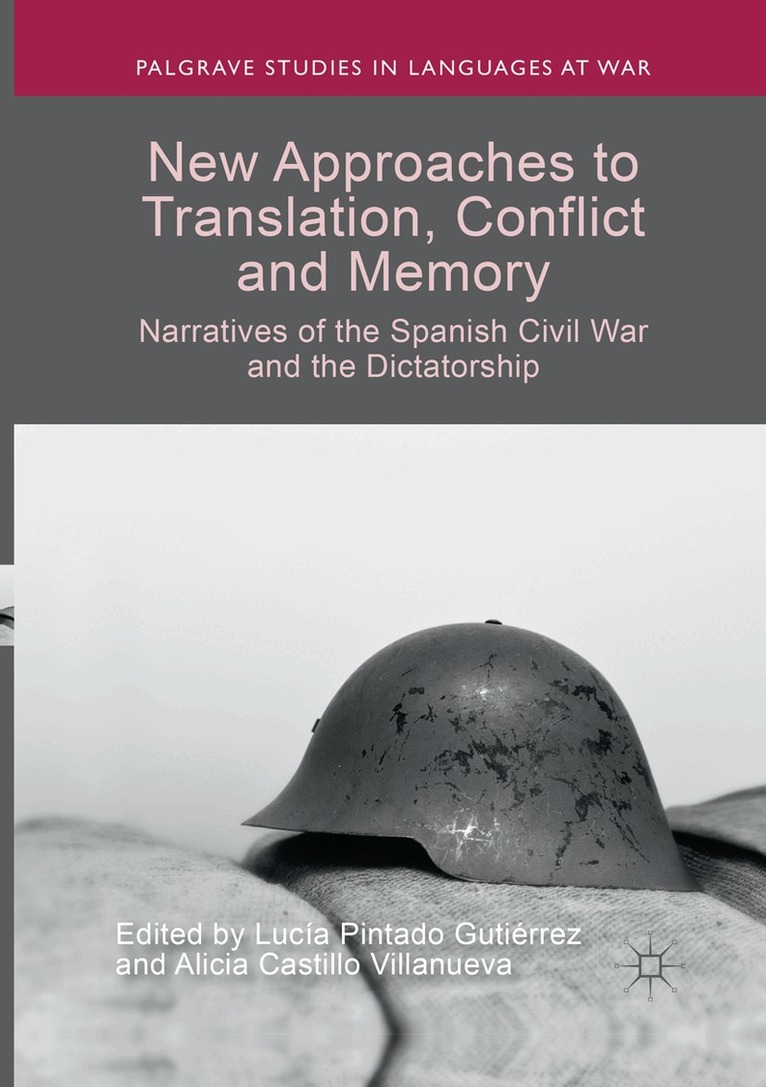
This interdisciplinary edited collection establishes a new dialogue between translation, conflict and memory studies focusing on fictional texts, reports from war zones and audiovisual representations of the Spanish Civil War and the Franco Dictatorship. It explores the significant role of translation in transmitting a recent past that continues to resonate within current debates on how to memorialize this inconclusive historical episode. The volume combines a detailed analysis of well-known authors such as Langston Hughes and John Dos Passos, with an investigation into the challenges found in translating novels such as The Group by Mary McCarthy (considered a threat to the policies established by the dictatorial regime), and includes more recent works such as El tiempo entre costuras by María Dueñas. Further, it examines the reception of the translations and whether the narratives cross over effectively in various contexts. In doing so it provides an analysis of the landscape of the Spanish conflict and dictatorship in translation that allows for an intergenerational and transcultural dialogue. It will appeal to students and scholars of translation, history, literature and cultural studies.
E-bok
Engelska, 20181 246 kr
Läs direkt efter köp
This interdisciplinary edited collection establishes a new dialogue between translation, conflict and memory studies focusing on fictional texts, reports from war zones and audiovisual representations of the Spanish Civil War and the Franco Dictatorship. It explores the significant role of translation in transmitting a recent past that continues to resonate within current debates on how to memorialize this inconclusive historical episode. The volume combines a detailed analysis of well-known authors such as Langston Hughes and John Dos Passos, with an investigation into the challenges found in translating novels such as The Group by Mary McCarthy (considered a threat to the policies established by the dictatorial regime), and includes more recent works such as El tiempo entre costuras by María Dueñas. Further, it examines the reception of the translations and whether the narratives cross over effectively in various contexts. In doing so it provides an analysis of the landscape of the Spanish conflict and dictatorship in translation that allows for an intergenerational and transcultural dialogue. It will appeal to students and scholars of translation, history, literature and cultural studies.
Häftad, Engelska, 2019
956 kr
Skickas inom 10-15 vardagar
This interdisciplinary edited collection establishes a new dialogue between translation, conflict and memory studies focusing on fictional texts, reports from war zones and audiovisual representations of the Spanish Civil War and the Franco Dictatorship. It explores the significant role of translation in transmitting a recent past that continues to resonate within current debates on how to memorialize this inconclusive historical episode. The volume combines a detailed analysis of well-known authors such as Langston Hughes and John Dos Passos, with an investigation into the challenges found in translating novels such as The Group by Mary McCarthy (considered a threat to the policies established by the dictatorial regime), and includes more recent works such as El tiempo entre costuras by María Dueñas. Further, it examines the reception of the translations and whether the narratives cross over effectively in various contexts. In doing so it provides an analysis of the landscape of the Spanish conflict and dictatorship in translation that allows for an intergenerational and transcultural dialogue. It will appeal to students and scholars of translation, history, literature and cultural studies.
Inbunden, Engelska, 2024
1 459 kr
Skickas inom 10-15 vardagar
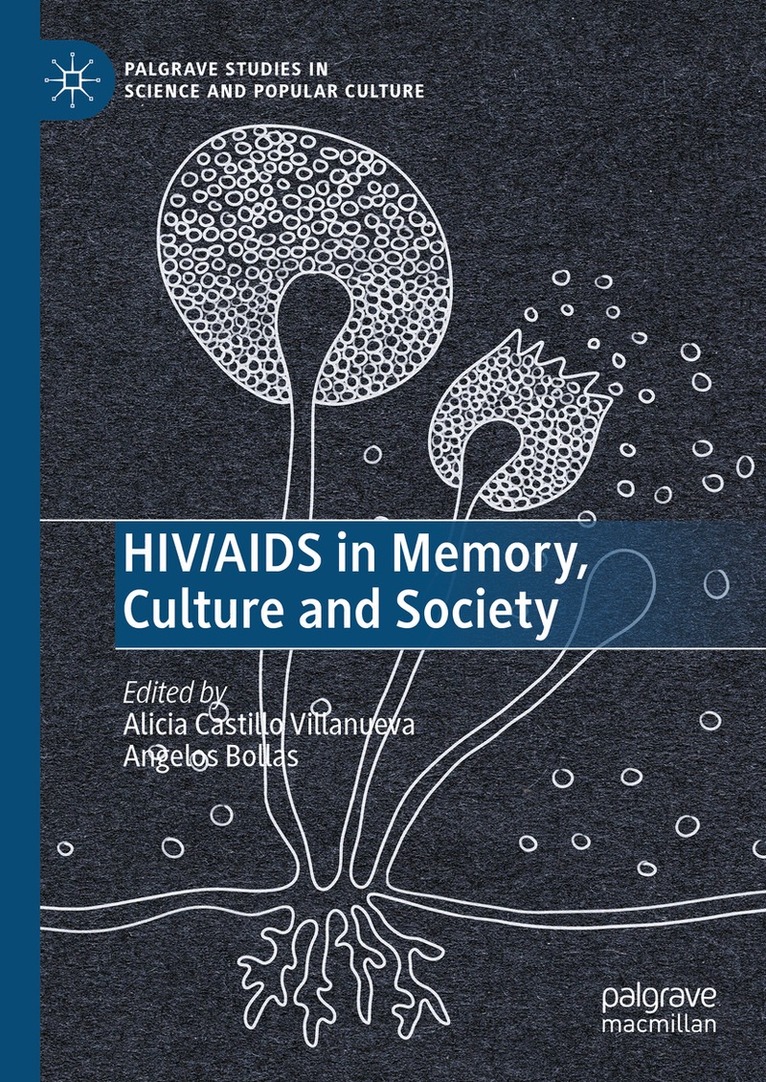
This volume examines the role of culture in developing social, cultural and political discourses of HIV/AIDS from a contemporary viewpoint. In doing so, the memory of HIV/AIDS is a powerful tool to examine representations of the past and connect them with future debates. This reassessment of HIV/AIDS explores the most appropriate way to come to terms with a past that involved a negative, stigmatised and marginalised representation. Therefore, remembering plays a key role in generating collective memory, which allows for the exchange of mnemonic content between individual minds, creates discourses on memory and commemoration, and disseminates versions of the past that may affect the representation of HIV/AIDS in the future. Indeed, rewriting about the past also means assessing our responsibility towards the present and the potential of transmission to future generations, especially in times of pandemics.
E-bok
Engelska, 20241 722 kr
Läs direkt efter köp
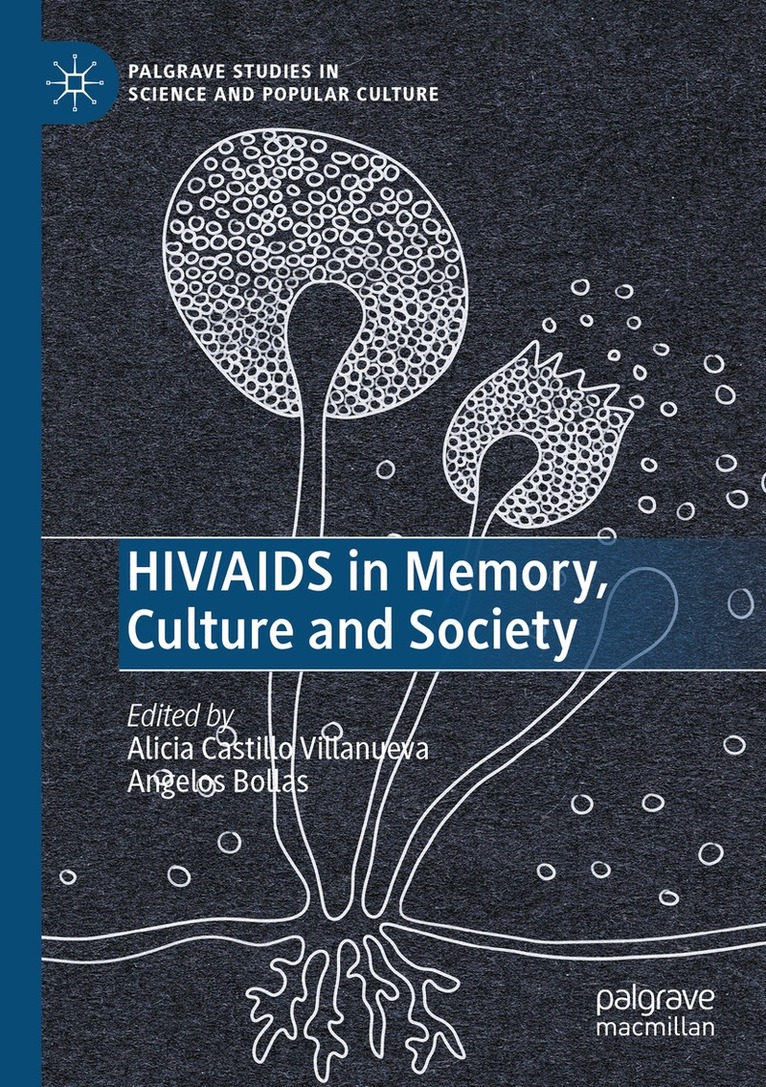
This volume examines the role of culture in developing social, cultural and political discourses of HIV/AIDS from a contemporary viewpoint. In doing so, the memory of HIV/AIDS is a powerful tool to examine representations of the past and connect them with future debates. This reassessment of HIV/AIDS explores the most appropriate way to come to terms with a past that involved a negative, stigmatised and marginalised representation. Therefore, remembering plays a key role in generating collective memory, which allows for the exchange of mnemonic content between individual minds, creates discourses on memory and commemoration, and disseminates versions of the past that may affect the representation of HIV/AIDS in the future. Indeed, rewriting about the past also means assessing our responsibility towards the present and the potential of transmission to future generations, especially in times of pandemics.
Häftad, Engelska, 2025
1 459 kr
Skickas inom 10-15 vardagar
This volume examines the role of culture in developing social, cultural and political discourses of HIV/AIDS from a contemporary viewpoint. In doing so, the memory of HIV/AIDS is a powerful tool to examine representations of the past and connect them with future debates. This reassessment of HIV/AIDS explores the most appropriate way to come to terms with a past that involved a negative, stigmatised and marginalised representation. Therefore, remembering plays a key role in generating collective memory, which allows for the exchange of mnemonic content between individual minds, creates discourses on memory and commemoration, and disseminates versions of the past that may affect the representation of HIV/AIDS in the future. Indeed, rewriting about the past also means assessing our responsibility towards the present and the potential of transmission to future generations, especially in times of pandemics.