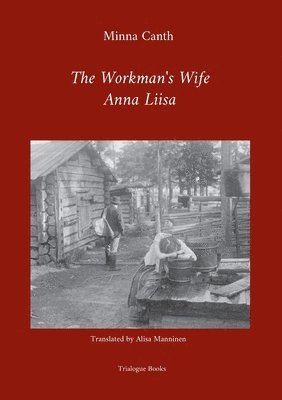
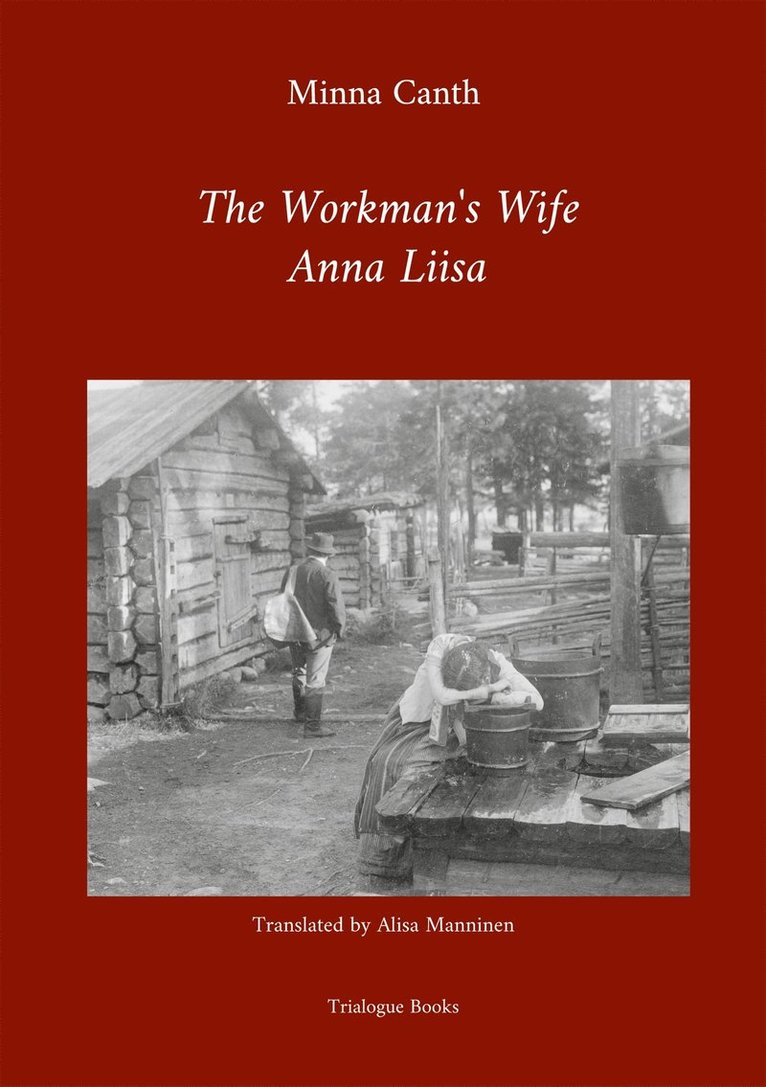
Minna Canth is one of the most important figures in Finnish literature, famous as a champion of social reform and observer of human nature. Translated by Alisa Manninen, the author of the biography Minna Canth: Writing to Challenge, these classic plays show Canth at her finest.The Workman's Wife (1885)When Johanna marries Risto, the money she had earned becomes his. Risto's drinking drags them into poverty and Johanna searches desperately for work. Meanwhile, he turns to Homsantuu, the Roma woman he abandoned. Though she is defiant when scorned by society, Homsantuu's longing for love leaves her vulnerable. The two women face a world in which the forces of law and justice are turned against the powerless.Anna Liisa (1895)A farm owner's daughter admired by all for her beauty and moral principles, Anna Liisa is in love with a fine young man. Just before their engagement is about to be celebrated, a secret from her past resurfaces to threaten her hopes for the future. As Anna Liisa struggles to keep her life from falling apart, it is her own conscience that must grow stronger than the people who seek to control or help her.
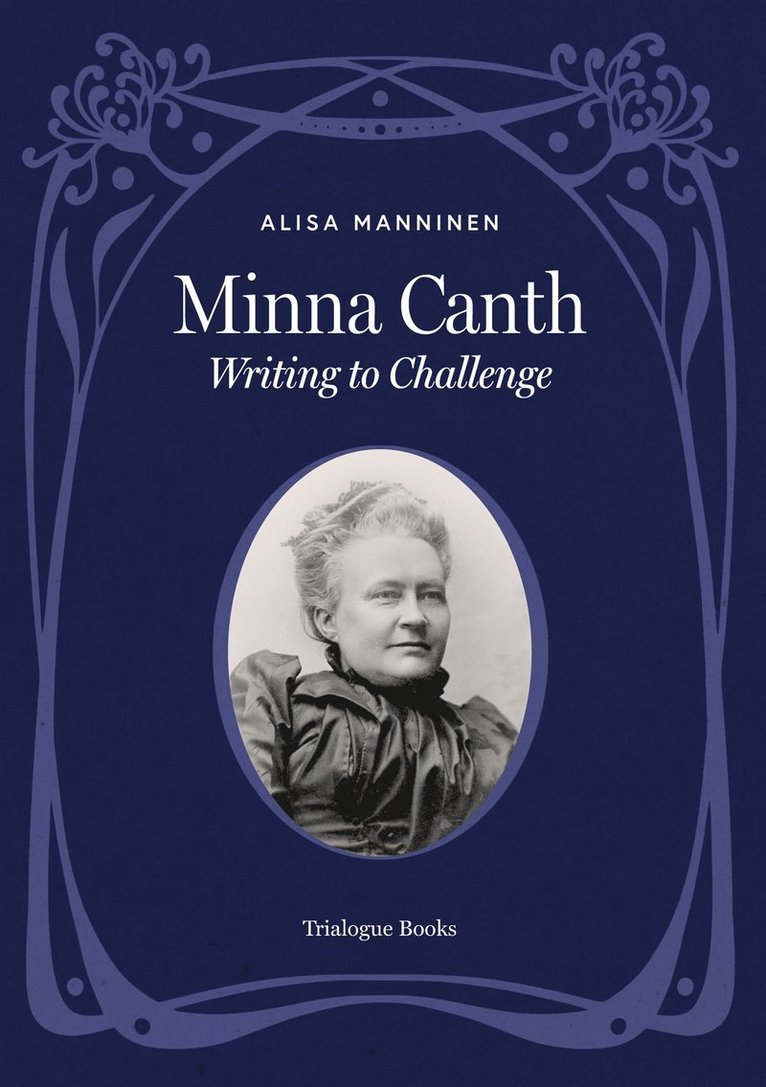
Born into a working-class family in nineteenth-century Finland, Minna Canth became a trailblazer as the country's first woman playwright: she shocked audiences with her daring and won them over with her skill. At the same time, she ran a business that made her one of the most successful merchants in her city and raised her seven children.Canth discovered in her middle age that she could begin a professional career in more than one field and change her society too. As a social realist who wrote in Finnish and championed the rights of women and workers, Canth was at the heart of an era of national awakening that prepared Finland for independence from Russia. A woman who did not hesitate to challenge authority and expose injustice, she had both admirers and enemies.This biography by Alisa Manninen, the translator of Canth's plays The Workman's Wife and Anna Liisa, explores how she became a national icon in her own lifetime by being unafraid to be political.
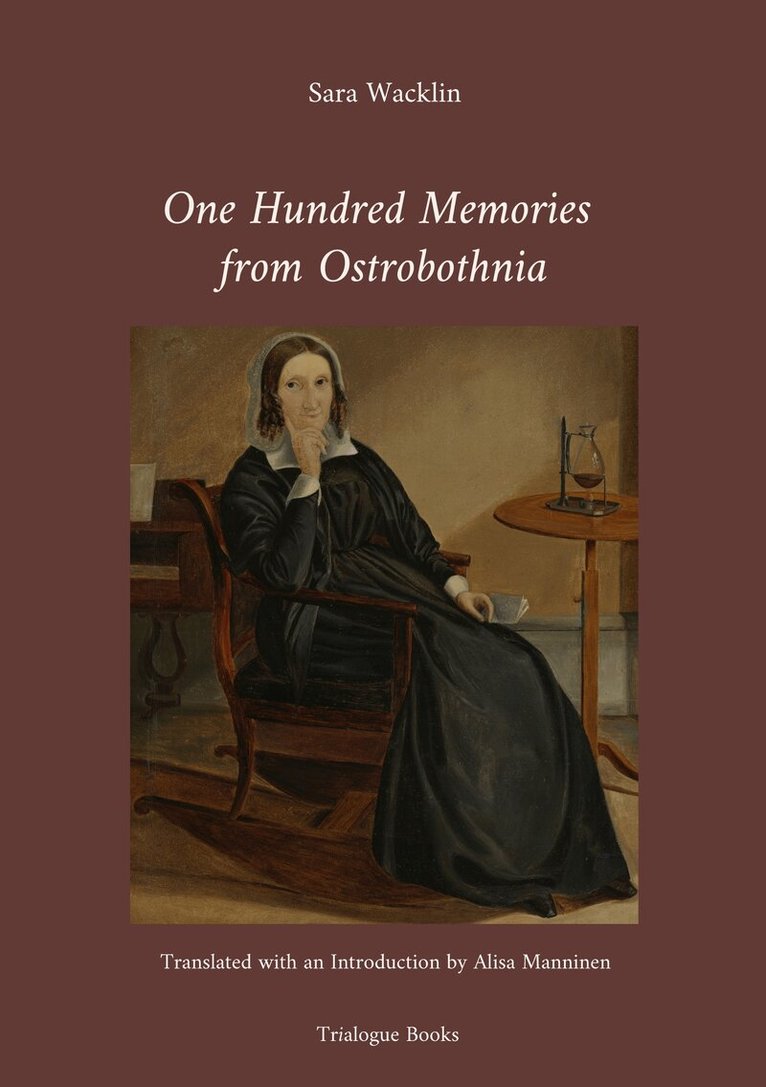
These one hundred memories are a journey through time in the Finnish region of Northern Ostrobothnia. They portray the coastal city of Oulu and the surrounding countryside with captivating literary skill and authenticity, bringing the eighteenth and nineteenth centuries to life. The memories include folk tales and historical accounts, social comedy and romantic drama, introducing the reader to the region in all its variety. People from many different layers of society have their own stories to tell: the narrative moves from the delightful parties of the upper classes to the harsh struggles of poor workers.The book's unique structure, with chapters that jump from one era and genre to another, often gives it the charm of a fairy tale. However, it is always grounded in regional cultures and customs. When people are confronted with dramatic events, such as the war against Russia or the Great Fire of Oulu, the dangers they face are shockingly vivid. A mixture of whimsy and realism, these memories continue to delight readers.