Alison J. Murray Levine – författare
Visar alla böcker från författaren Alison J. Murray Levine. Handla med fri frakt och snabb leverans.
4 produkter
4 produkter
2 084 kr
Skickas inom 10-15 vardagar
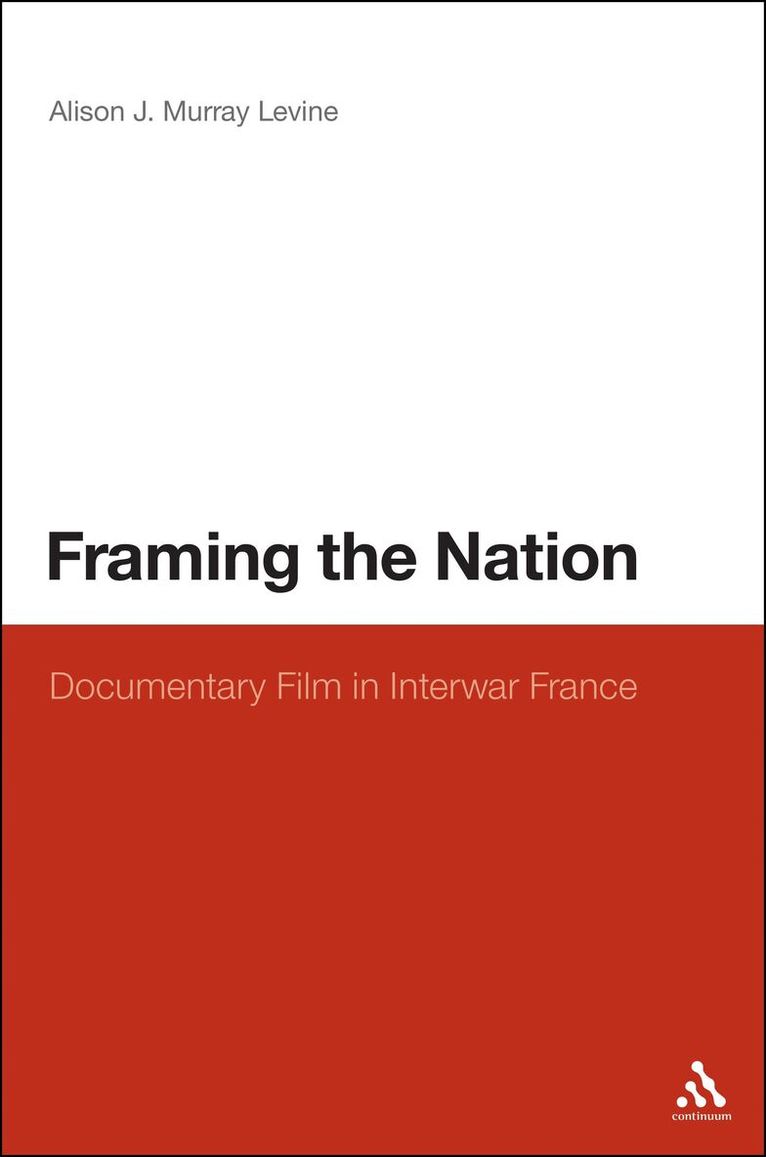
Framing the Nation: Documentary Film in Interwar France argues that, between World Wars I and II, documentary film made a substantial contribution to the rewriting of the French national narrative to include rural France and the colonies. The book mines a significant body of virtually unknown films and manuscripts for their insight into revisions of French national identity in the aftermath of the Great War. From 1918 onwards, government institutions sought to advance social programs they believed were crucial to national regeneration. They turned to documentary film, a new form of mass communication, to do so. Many scholars of French film state that the French made no significant contribution to documentary film prior to the Vichy period. Using until now overlooked films, Framing the Nation refutes this misconception and shows that the French were early and active believers in the uses of documentary film for social change - and these films reached audiences far beyond the confines of commercial cinema circuits in urban areas.
544 kr
Skickas inom 10-15 vardagar
Framing the Nation: Documentary Film in Interwar France argues that, between World Wars I and II, documentary film made a substantial contribution to the rewriting of the French national narrative to include rural France and the colonies. The book mines a significant body of virtually unknown films and manuscripts for their insight into revisions of French national identity in the aftermath of the Great War. From 1918 onwards, government institutions sought to advance social programs they believed were crucial to national regeneration. They turned to documentary film, a new form of mass communication, to do so. Many scholars of French film state that the French made no significant contribution to documentary film prior to the Vichy period. Using until now overlooked films, Framing the Nation refutes this misconception and shows that the French were early and active believers in the uses of documentary film for social change - and these films reached audiences far beyond the confines of commercial cinema circuits in urban areas.
Del 50 - Contemporary French and Francophone Cultures
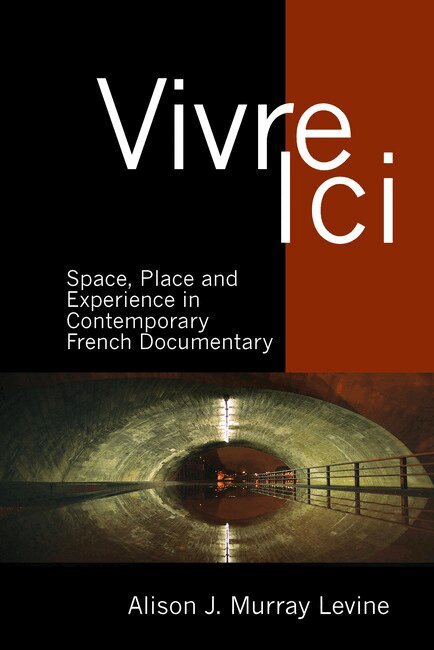
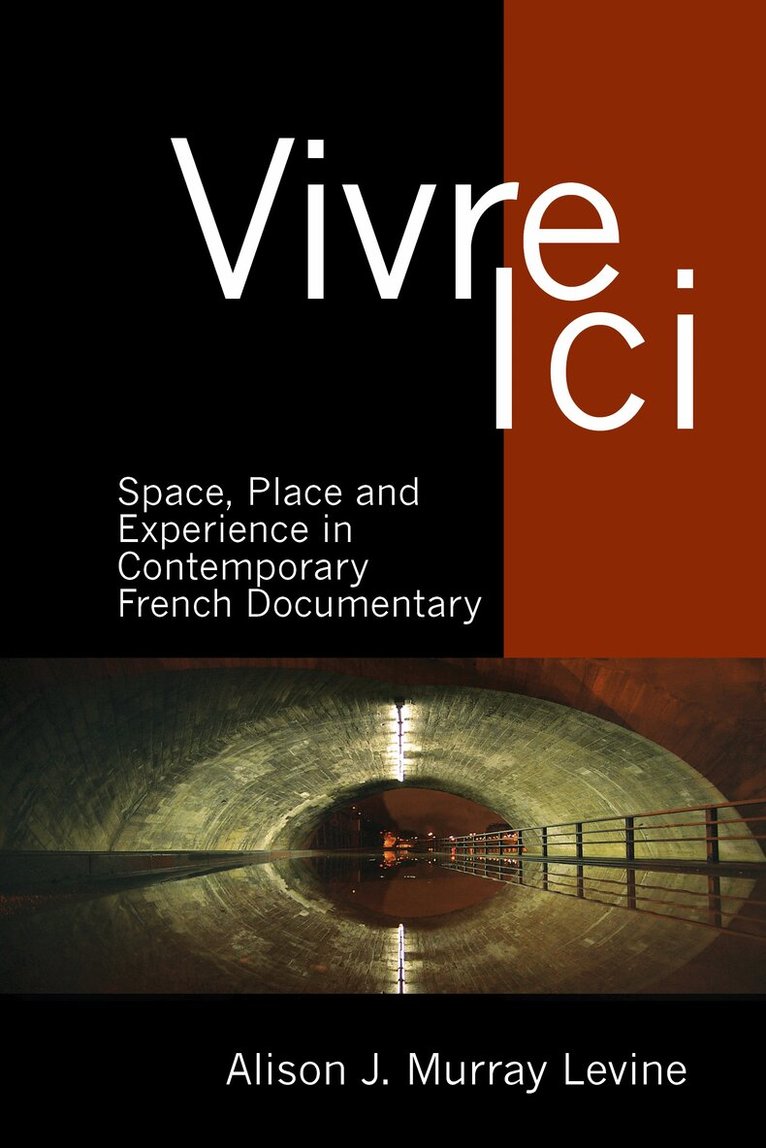
Vivre Ici
Space, Place and Experience in Contemporary French Documentary
Inbunden, Engelska, 2018
551 kr
Skickas inom 7-10 vardagar
Vivre Ici invites the reader on a journey through the vast viewing landscape of contemporary French documentary film, a genre that has experienced a renaissance in the past twenty years. The films explored are connected not just by a general interest in engaging the “real,” but by a particular attention to French space and place. From farms and wild places to roads, schools, and urban edgelands, these films explore the spaces of the everyday and the human and non-human experiences that unfold within them. Through a critical approach that integrates phenomenology, film theory, eco-criticism and cultural history, Levine investigates the notion of documentary as experience. She asks how and why, in the contemporary media landscape, these films seek to avoid argumentation and instead, give the viewer a feeling of “being there.” As a diverse collection of filmmakers, both well-known and lesser-known, explore the limits and possibilities of these places, a collage-like, incomplete, and fragmented vision of France as seen and felt through documentary cameras comes into view. Venturing beyond film analysis to examine the production climate for these films and their circulation in contemporary France, Levine explores the social and political consequences of these “films that matter” for the viewers who come into contact with them.
Del 50 - Contemporary French and Francophone Cultures
Vivre Ici
Space, Place and Experience in Contemporary French Documentary
Häftad, Engelska, 2021
539 kr
Skickas inom 7-10 vardagar
Vivre Ici invites the reader on a journey through the vast viewing landscape of contemporary French documentary film, a genre that has experienced a renaissance in the past twenty years. The films explored are connected not just by a general interest in engaging the “real,” but by a particular attention to French space and place. From farms and wild places to roads, schools, and urban edgelands, these films explore the spaces of the everyday and the human and non-human experiences that unfold within them. Through a critical approach that integrates phenomenology, film theory, eco-criticism and cultural history, Levine investigates the notion of documentary as experience. She asks how and why, in the contemporary media landscape, these films seek to avoid argumentation and instead, give the viewer a feeling of “being there.” As a diverse collection of filmmakers, both well-known and lesser-known, explore the limits and possibilities of these places, a collage-like, incomplete, and fragmented vision of France as seen and felt through documentary cameras comes into view. Venturing beyond film analysis to examine the production climate for these films and their circulation in contemporary France, Levine explores the social and political consequences of these “films that matter” for the viewers who come into contact with them.