Alistair Henry – författare
Visar alla böcker från författaren . Handla med fri frakt och snabb leverans.
7 produkter
7 produkter
Inbunden, Engelska, 2026
1 340 kr
Kommande
Encounters with Policing revisits and reinvigorates the ways in which social interactions with, and within, police and policing matter. Contributing to how people see themselves and others, symbolising social status and hierarchy, and representing the configuration of social orders, encounters with policing take many different forms. Where the mode and distribution of encounters has always evolved, the digital age of communications has accelerated this process, resulting in less face-to-face social interaction and more of it that is mediated, parasocial, and representational. This has potentially far-reaching consequences for social solidarity and for feelings of connection to, or disconnection from, policing and authority.The book makes a distinctive theoretical contribution to the study of policing by foregrounding Erving Goffman and Randall Collins' iterations of interaction ritual theory, affirming its value in delineating the dynamics, ingredients, and outcomes of encounters, but also extending it to better accommodate the peculiar character of police encounters as well as the changing modes of social interaction.Encounters with Policing will be of interest to all policing scholars, but especially those examining the role of policing in relation to order, exclusion, and marginalisation. It also marks a timely return to the study of the cultural, symbolic, and mediated power of policing, and is a vital resource for those concerned about the risks to social solidarities inherent in an increasingly technologically mediated world. In its sustained examination of the particularities of policing encounters, it also provides a potent 'case' for scholars of social interaction.
Inbunden, Engelska, 2007
2 199 kr
Skickas inom 10-15 vardagar
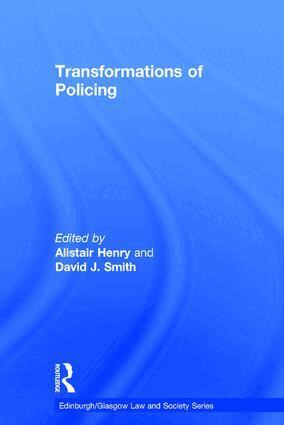
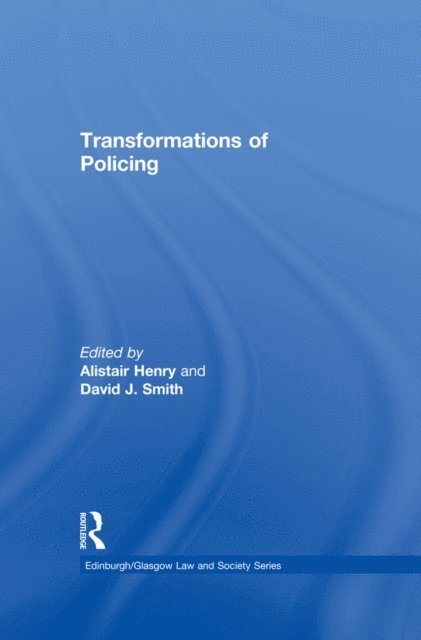
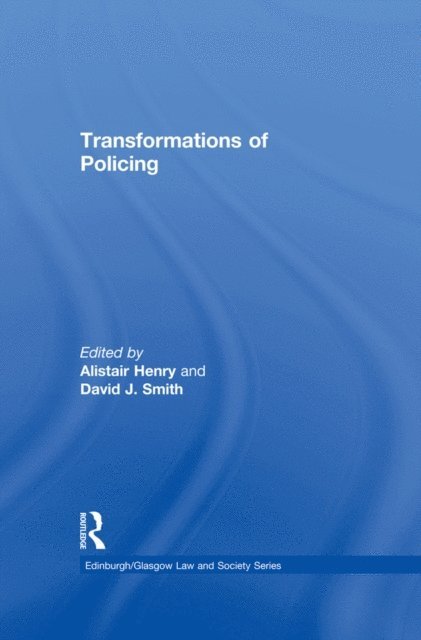
Police and People in London is still the largest and most detailed study of a police force and its relations with the public that has yet been undertaken in Britain. The twenty-three years since its publication has seen a constantly-accelerating rate of change in the legal framework of policing, in the arrangements for democratic accountability of the police, in the technologies involved in crime and policing, in management structures and methods in the police service, in financial control systems imposed by central government and in methods of assessing police performance. Over the same period, crime control has moved from the bottom to the top of the political agenda, leading to increasing pressure on the police to be seen to be effective. Transformations of Policing returns to the central issues discussed in 1983 and considers whether the main conclusions need to be revised in the light of what has happened since. It also reviews areas of debate and research that have emerged more recently and highlights areas of turbulence that are creating fundamentally different patterns from before and raising genuinely new questions.
Inbunden, Engelska, 2016
1 284 kr
Skickas inom 10-15 vardagar
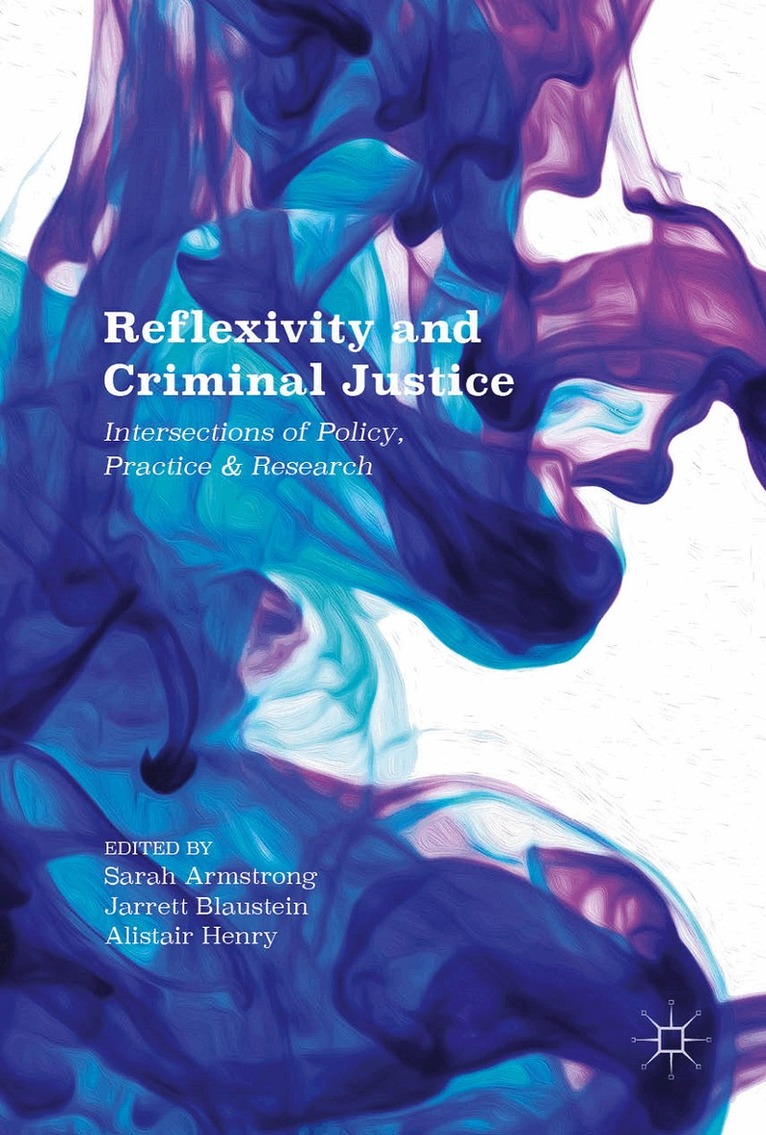
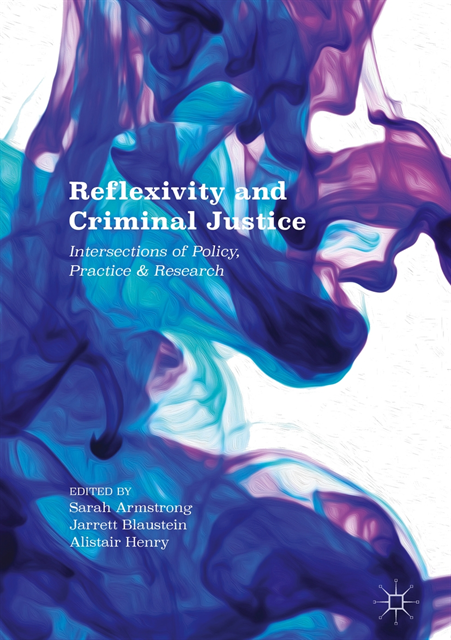
This collection presents a diverse set of case studies and theoretical reflections on how criminologists engage with practitioners and policy makers while undertaking research. The contributions to this volume highlight both the challenges and opportunities associated with doing criminological research in a reflexive and collaborative manner. They further examine the ethical and practical implications of the ‘impact’ agenda in the higher education sector with respect to the production and the dissemination of criminological knowledge. Developed to serve as an internationally accessible reference volume for scholars, practitioners and postgraduate criminology students, this book responds to the awareness that criminology as a discipline increasingly encompasses not only the study of crime, but also the agencies, process and structures that regulate it. Key questions include: How can criminal justice policy be studied as part of the field of criminology? How do we account for our own roles as researchers who are a part of the policy process? What factors and dynamics influence, hinder and facilitate ‘good policy’?
1 733 kr
Läs direkt efter köp
This collection presents a diverse set of case studies and theoretical reflections on how criminologists engage with practitioners and policy makers while undertaking research. The contributions to this volume highlight both the challenges and opportunities associated with doing criminological research in a reflexive and collaborative manner. They further examine the ethical and practical implications of the ‘impact’ agenda in the higher education sector with respect to the production and the dissemination of criminological knowledge. Developed to serve as an internationally accessible reference volume for scholars, practitioners and postgraduate criminology students, this book responds to the awareness that criminology as a discipline increasingly encompasses not only the study of crime, but also the agencies, process and structures that regulate it. Key questions include: How can criminal justice policy be studied as part of the field of criminology? How do we account for our own roles as researchers who are a part of the policy process? What factors and dynamics influence, hinder and facilitate ‘good policy’?
Häftad, Engelska, 2017
606 kr
Skickas inom 10-15 vardagar
Police and People in London is still the largest and most detailed study of a police force and its relations with the public that has yet been undertaken in Britain. The twenty-three years since its publication has seen a constantly-accelerating rate of change in the legal framework of policing, in the arrangements for democratic accountability of the police, in the technologies involved in crime and policing, in management structures and methods in the police service, in financial control systems imposed by central government and in methods of assessing police performance. Over the same period, crime control has moved from the bottom to the top of the political agenda, leading to increasing pressure on the police to be seen to be effective. Transformations of Policing returns to the central issues discussed in 1983 and considers whether the main conclusions need to be revised in the light of what has happened since. It also reviews areas of debate and research that have emerged more recently and highlights areas of turbulence that are creating fundamentally different patterns from before and raising genuinely new questions.
E-bok
Engelska, 2017725 kr
Läs direkt efter köp
Police and People in London is still the largest and most detailed study of a police force and its relations with the public that has yet been undertaken in Britain. The twenty-three years since its publication has seen a constantly-accelerating rate of change in the legal framework of policing, in the arrangements for democratic accountability of the police, in the technologies involved in crime and policing, in management structures and methods in the police service, in financial control systems imposed by central government and in methods of assessing police performance. Over the same period, crime control has moved from the bottom to the top of the political agenda, leading to increasing pressure on the police to be seen to be effective. Transformations of Policing returns to the central issues discussed in 1983 and considers whether the main conclusions need to be revised in the light of what has happened since. It also reviews areas of debate and research that have emerged more recently and highlights areas of turbulence that are creating fundamentally different patterns from before and raising genuinely new questions.
E-bok
PDF, Engelska, 2017727 kr
Läs direkt efter köp
Police and People in London is still the largest and most detailed study of a police force and its relations with the public that has yet been undertaken in Britain. The twenty-three years since its publication has seen a constantly-accelerating rate of change in the legal framework of policing, in the arrangements for democratic accountability of the police, in the technologies involved in crime and policing, in management structures and methods in the police service, in financial control systems imposed by central government and in methods of assessing police performance. Over the same period, crime control has moved from the bottom to the top of the political agenda, leading to increasing pressure on the police to be seen to be effective. Transformations of Policing returns to the central issues discussed in 1983 and considers whether the main conclusions need to be revised in the light of what has happened since. It also reviews areas of debate and research that have emerged more recently and highlights areas of turbulence that are creating fundamentally different patterns from before and raising genuinely new questions.