Alkis Hatzopoulos - Böcker
Visar alla böcker från författaren Alkis Hatzopoulos. Handla med fri frakt och snabb leverans.
3 produkter
3 produkter
587 kr
Skickas inom 10-15 vardagar
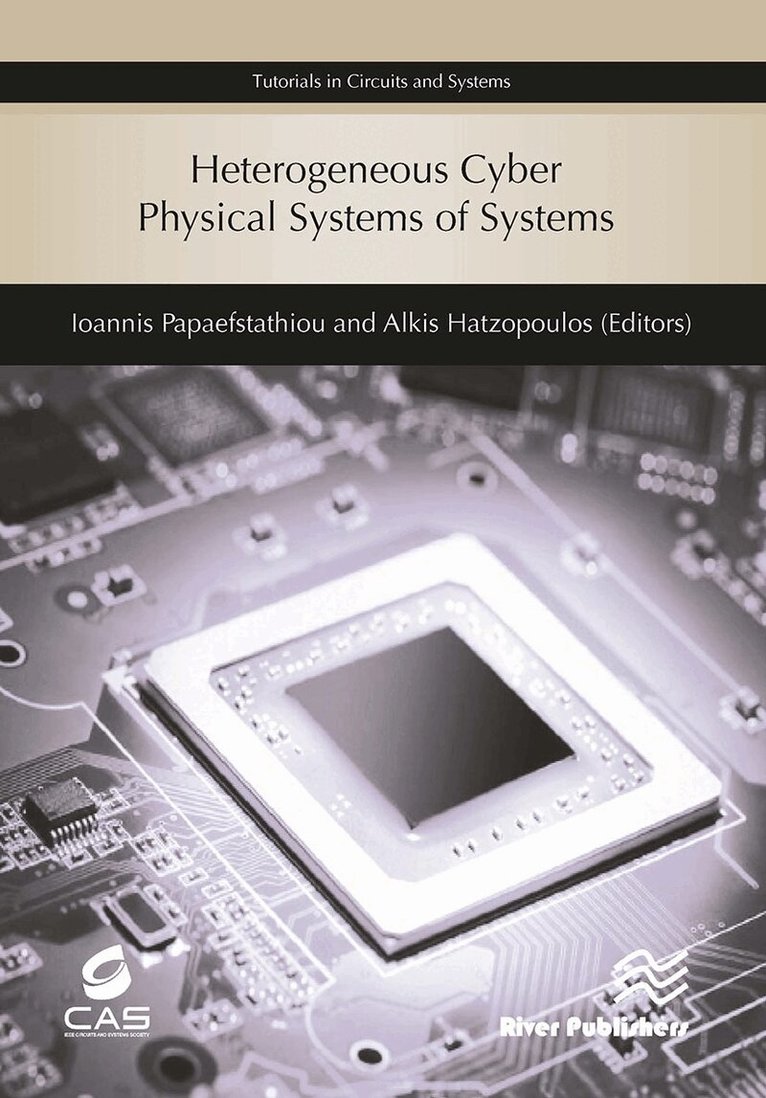
Cyber-physical systems are the natural extension of the so-called “Internet of Things”. They are “systems of collaborating computational elements controlling physical entities”. Cyber Physical Systems of Systems (CPSoS) are considered “The Next Computing Revolution” after Mainframe computing (60’s-70’s), Desktop computing & Internet (80’s-90’s) and Ubiquitous computing (00’s); because all aspects of daily life are rapidly evolving towards humans interacting amongst themselves as well as their environment via computational devices (often mobile), and because in most cases systems will employ their computational capabilities to interact amongst themselves.CPSoS enable the physical world to merge with the cyber one. Using sensors, the embedded systems monitor and collect data from physical processes, such as the steering of a vehicle, energy consumption or human health functions. The systems are networked making the data globally available. CPSoS make it possible for software applications to directly interact with events in the physical world, for example to measure and react to changes in blood pressure or peaks in energy consumption. Embedded hardware and software systems crucially expand the functionality and competitiveness of vehicles, aircraft, medical equipment, production plants and household appliances. Connecting these systems to a virtual environment of globally networked services and information systems opens completely new areas of innovation and novel business platforms.Future CPSoS will have many sophisticated, interconnected parts that must instantaneously exchange, parse, and act on detailed data in a highly coordinated manner. Continued advances in science and engineering will be necessary to enable advances in design and development of these complex systems.
1 316 kr
Skickas inom 10-15 vardagar
Cyber-physical systems are the natural extension of the so-called “Internet of Things”. They are “systems of collaborating computational elements controlling physical entities”. Cyber Physical Systems of Systems (CPSoS) are considered “The Next Computing Revolution” after Mainframe computing (60’s-70’s), Desktop computing & Internet (80’s-90’s) and Ubiquitous computing (00’s); because all aspects of daily life are rapidly evolving towards humans interacting amongst themselves as well as their environment via computational devices (often mobile), and because in most cases systems will employ their computational capabilities to interact amongst themselves. CPSoS enable the physical world to merge with the cyber one. Using sensors, the embedded systems monitor and collect data from physical processes, such as the steering of a vehicle, energy consumption or human health functions. The systems are networked making the data globally available. CPSoS make it possible for software applications to directly interact with events in the physical world, for example to measure and react to changes in blood pressure or peaks in energy consumption. Embedded hardware and software systems crucially expand the functionality and competitiveness of vehicles, aircraft, medical equipment, production plants and household appliances. Connecting these systems to a virtual environment of globally networked services and information systems opens completely new areas of innovation and novel business platforms.Future CPSoS will have many sophisticated, interconnected parts that must instantaneously exchange, parse, and act on detailed data in a highly coordinated manner. Continued advances in science and engineering will be necessary to enable advances in design and development of these complex systems. Multi- scale, multi-layer, multi-domain, and multi-system integrated infrastructures will require new foundations in system science and engineering. Scientists and engineers with an understanding of otherwise physical systems will need to work in tandem with computer and information scientists to achieve effective, workable designs. In this tutorial, basic and advanced issues on the design of the future heterogeneous CPSoS are presented including relevant Blockchain technologies, reconfigurable systems, advanced sensor interfaces and human-centered design processes. Certain advanced tools for the design and implementation of the cyber parts of the CPSoS (i.e. FPGA design tools from Xilinx) are also covered.
1 316 kr
Skickas inom 10-15 vardagar
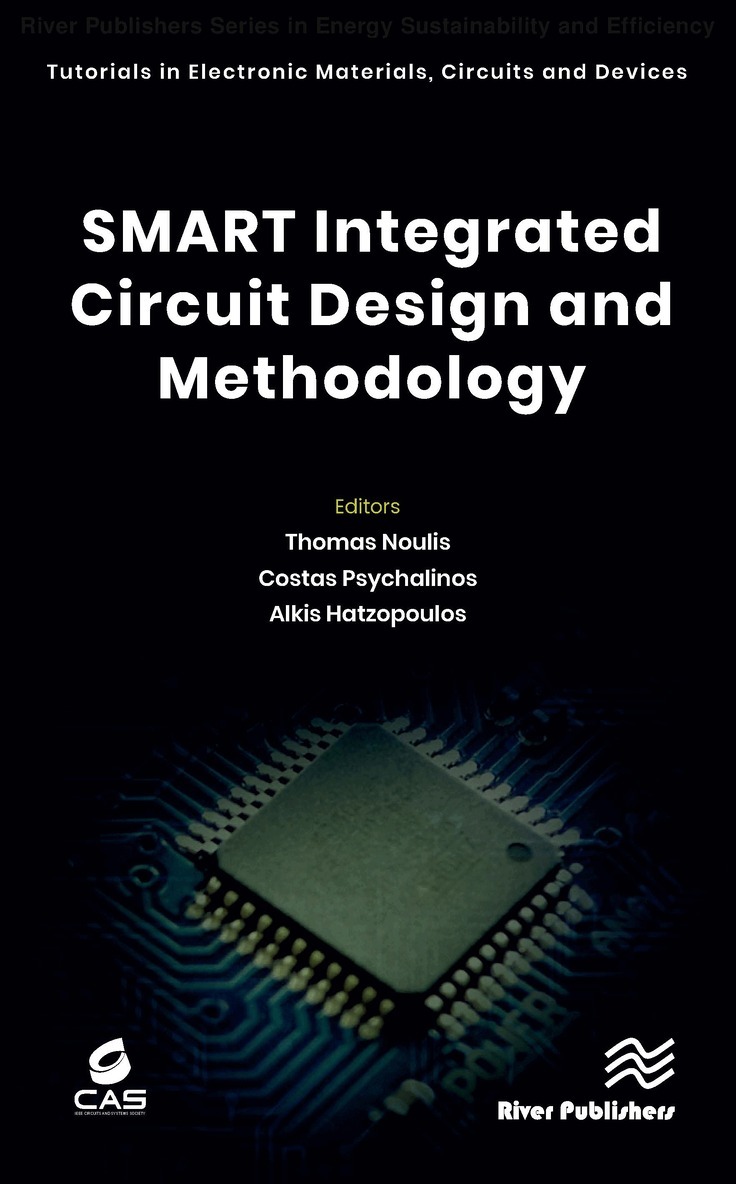
This book describes advanced flows and methodologies for the design and implementation of system-on-chip (SoC). It is written by a mixture of industrial experts and key academic professors and researchers. The intended audience is not only students but also engineers with system-on-chip and semiconductor background currently working in the semiconductor industry.Integrated Circuits are available in every electronic product, especially in emerging market segments such as 5G mobile communications, autonomous driving, fully electrified vehicles, and artificial intelligence. These product types require real-time processing at billions of operations per second. The development design cycle time is driving costs and time to market more than ever before. The traditional design methodologies have reached their limits and innovative solutions are essential to serve the emerging SoC design challenges. In the framework of the Circuit and System Society (CASS) Outreach Initiative 2022 call, the SMART Integrated Circuits design methodology – named SMARTIC – Seasonal School was performed in November 2022, in Thessaloniki (Greece).FeaturesCore analog circuits of any system of chip, such as high-performance rectifiers and filters, are addressed in detail, together with their respective design methodology.New advanced methodologies towards design cycle speed up based on machine learning and artificial intelligence applications.Advanced analog design methodology based on gm/Id and lock up tables. A powerful flow for enabling fast time to market analog circuit design focusing on baseband circuitsMore exotic methodologies and applications with focus on digital-based analog processing in nanoscale CMOS ICs and the design and development of depleted monolithic active pixel sensors for high-radiation applications, together with all the respective challenges of this application.