Allan A. Ryan – författare
Visar alla böcker från författaren Allan A. Ryan. Handla med fri frakt och snabb leverans.
4 produkter
4 produkter
Häftad, Engelska, 2014
420 kr
Skickas inom 10-15 vardagar
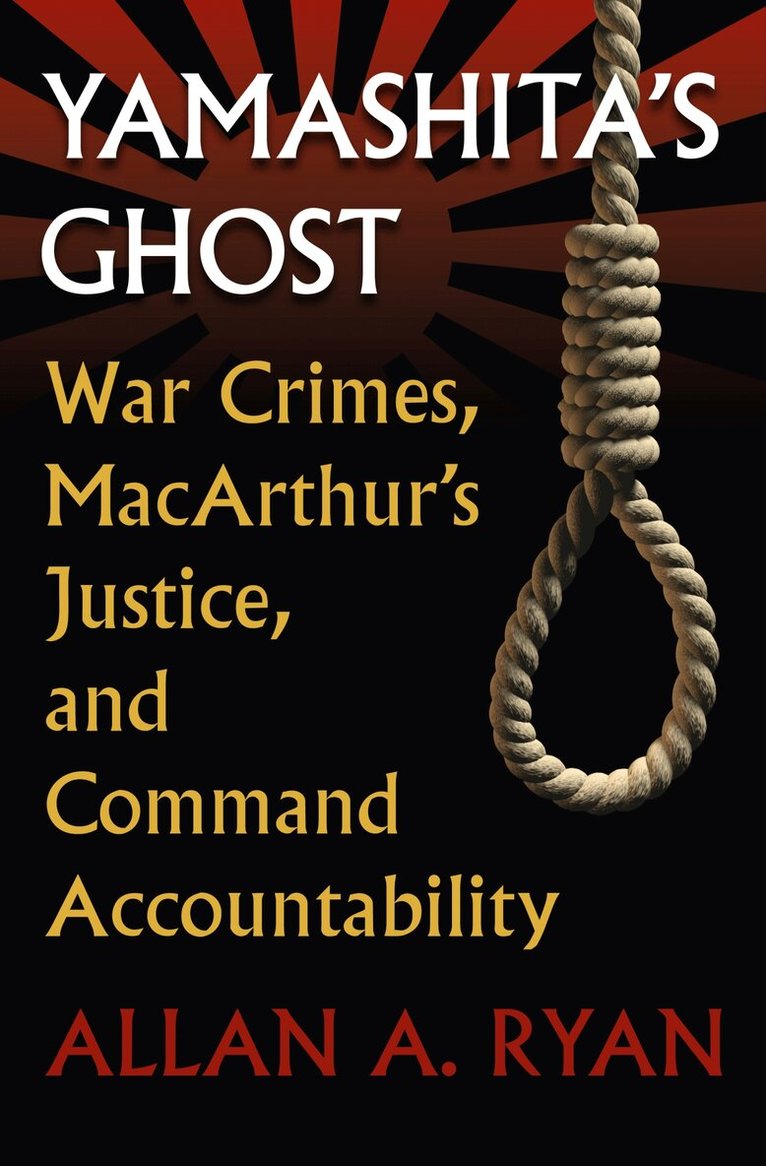
I don't blame my executioners. I will pray God bless them. "" So said General Tomoyuki Yamashita, Japan's most accomplished military commander, as he stood on the scaffold in Manila in 1946. His stoic dignity typified the man his U.S. Army defense lawyers had come to deeply respect in the first war crimes trial of World War II. Moments later, he was dead. But had justice been served? Allan A. Ryan reopens the case against Yamashita to illuminate crucial questions and controversies that have surrounded his trial and conviction, but also to deepen our understanding of broader contemporary issues-especially the limits of command accountability. The atrocities of 1944 and 1945 in the Philippines - rape, murder, torture, beheadings, and starvation, the victims often women and children - were horrific. They were committed by Japanese troops as General Douglas MacArthur's army tried to recapture the islands. Yamashita commanded Japan's dispersed and besieged Philippine forces in that final year of the war. But the prosecution conceded that he had neither ordered nor committed these crimes. MacArthur charged him, instead, with the crime-if it was one-of having ""failed to control"" his troops, and convened a military commission of five American generals, none of them trained in the law. It was the first prosecution in history of a military commander on such a charge. In a turbulent and disturbing trial marked by disregard of the Army's own rules, the generals delivered the verdict they knew MacArthur wanted. Yamashita's lawyers appealed to the U.S. Supreme Court, whose controversial decision upheld the conviction over the passionate dissents of two justices who invoked, for the first time in U.S. legal history, the concept of international human rights. Drawing from the tribunal's transcripts, Ryan vividly chronicles this tragic tale and its personalities. His trenchant analysis of the case's lingering question-should a commander be held accountable for the crimes of his troops, even if he has no knowledge of them-has profound implications for all military commanders.
418 kr
Läs direkt efter köp
"I don''t blame my executioners. I will pray God bless them." So said General Tomoyuki Yamashita, Japan''s most accomplished military commander, as he stood on the scaffold in Manila in 1946. His stoic dignity typified the man his U.S. Army defense lawyers had come to deeply respect in the first war crimes trial of World War II. Moments later, he was dead. But had justice been served? Allan A. Ryan reopens the case against Yamashita to illuminate crucial questions and controversies that have surrounded his trial and conviction, but also to deepen our understanding of broader contemporary issues—especially the limits of command accountability.The atrocities of 1944 and 1945 in the Philippines—rape, murder, torture, beheadings, and starvation, the victims often women and children—were horrific. They were committed by Japanese troops as General Douglas MacArthur''s army tried to recapture the islands. Yamashita commanded Japan''s dispersed and besieged Philippine forces in that final year of the war. But the prosecution conceded that he had neither ordered nor committed these crimes. MacArthur charged him, instead, with the crime—if it was one—of having "failed to control" his troops, and convened a military commission of five American generals, none of them trained in the law. It was the first prosecution in history of a military commander on such a charge. In a turbulent and disturbing trial marked by disregard of the Army''s own rules, the generals delivered the verdict they knew MacArthur wanted. Yamashita''s lawyers appealed to the U.S. Supreme Court, whose controversial decision upheld the conviction over the passionate dissents of two justices who invoked, for the first time in U.S. legal history, the concept of international human rights.Drawing from the tribunal''s transcripts, Ryan vividly chronicles this tragic tale and its personalities. His trenchant analysis of the case''s lingering question—should a commander be held accountable for the crimes of his troops, even if he has no knowledge of them—has profound implications for all military commanders.
E-bok
Engelska, 2015393 kr
Läs direkt efter köp
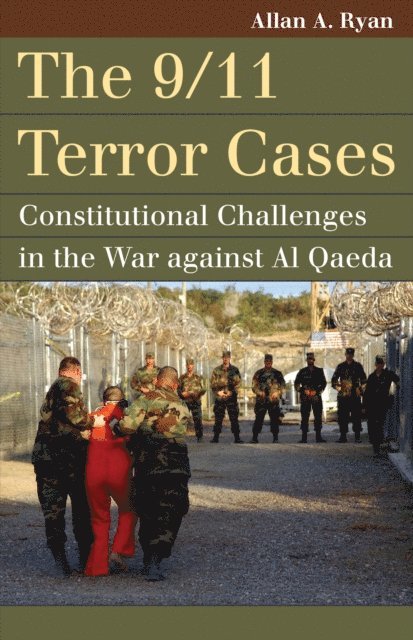
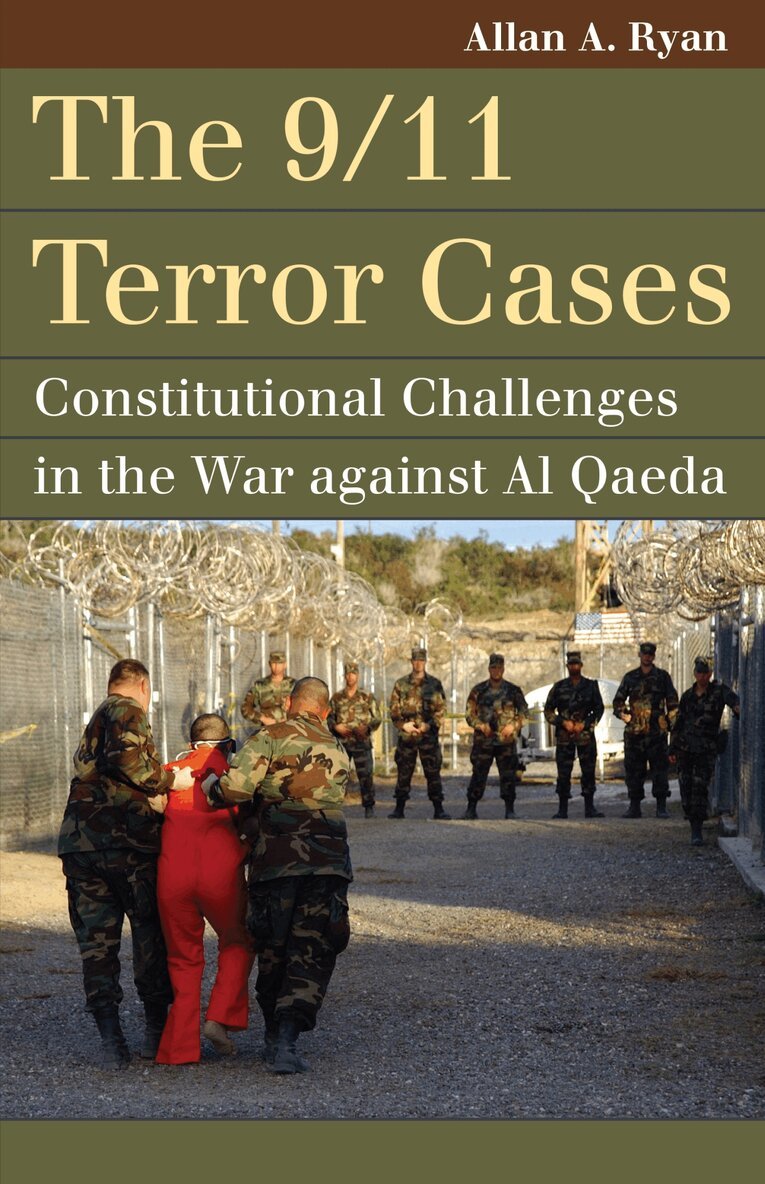
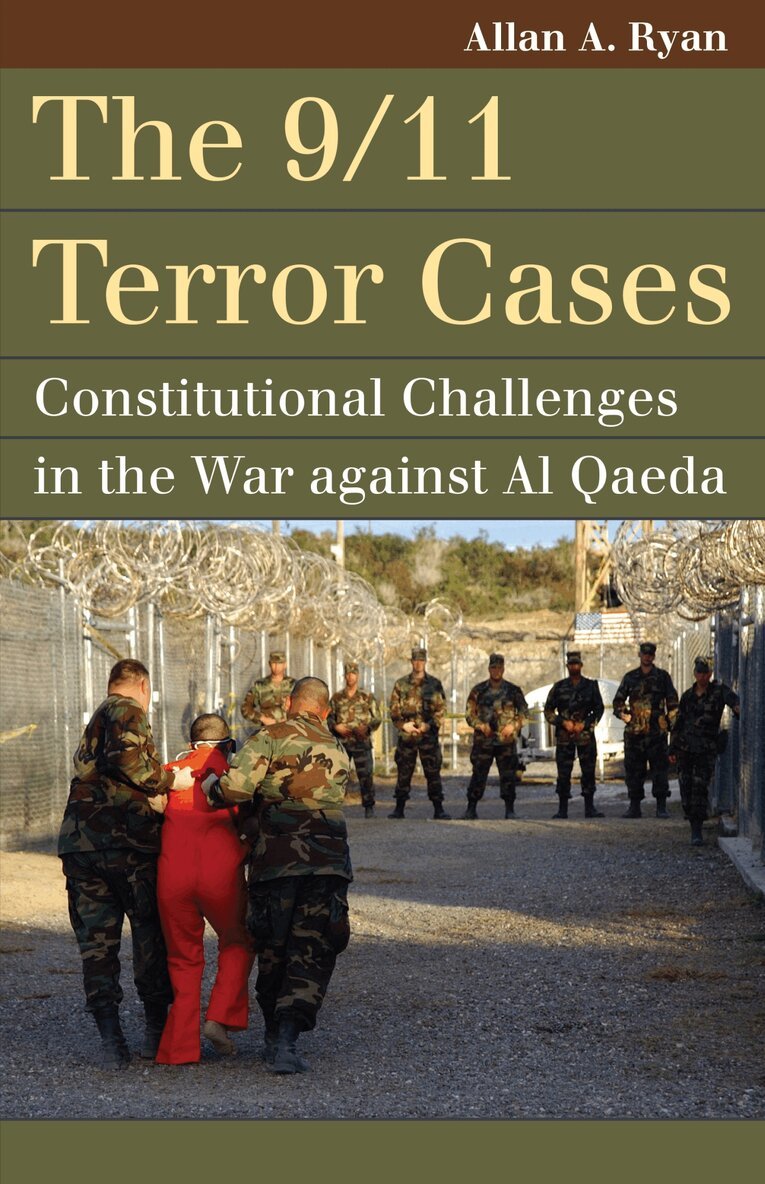
The terrorist attacks of 9/11 are indelibly etched into our cultural memory. This is the story of how the legal ramifications of that day brought two presidents, Congress, and the Supreme Court into repeated confrontation over the incarceration of hundreds of suspected terrorists and "enemy combatants" at the US naval base in Guantánamo, Cuba. Could these prisoners (including an American citizen) be held indefinitely without due process of law? Did they have the right to seek their release by habeas corpus in US courts? Could they be tried in a makeshift military judicial system? With Guantánamo well into its second decade, these questions have challenged the three branches of government, each contending with the others, and each invoking the Constitution''s separation of powers as well as its checks and balances.In The 9/11 Terror Cases, Allan A. Ryan leads students and general readers through the pertinent cases: Rasul v. Bush and Hamdi v. Rumsfeld, both decided by the Supreme Court in 2004; Hamdan v. Bush, decided in 2006; and Boumediene v. Bush, in 2008. An eloquent writer and an expert in military law and constitutional litigation, Ryan is an adept guide through the nuanced complexities of these cases, which rejected the sweeping powers asserted by President Bush and Congress, and upheld the rule of law, even for enemy combatants. In doing so, as we see clearly in Ryan''s deft account, the Supreme Court''s rulings speak directly to the extent and nature of presidential and congressional prerogative, and to the critical separation and balance of powers in the governing of the United States.
Häftad, Engelska, 2003
376 kr
Skickas inom 5-8 vardagar