Allan D. Peterkin – författare
Visar alla böcker från författaren Allan D. Peterkin. Handla med fri frakt och snabb leverans.
6 produkter
6 produkter
Häftad, Engelska, 2018
437 kr
Skickas inom 5-8 vardagar
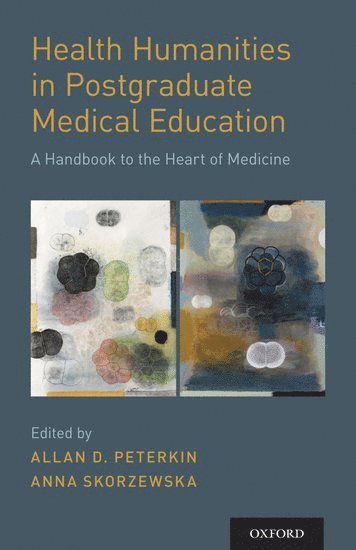
Most medical schools in the US, Canada and UK now incorporate some form of arts and humanities-based teaching into their curricula. What happens in residency is another story. Most postgraduate programs do not continue the thread of such teaching although many residents would like to deepen their understanding of the medical humanities before they move into practice. The humanities emphasize "the human side of medicine", and can provide a counterpoint to the reductionism of evidence-based medicine and technological hubris for young doctors as they apply new knowledge and skills in ambiguous, real-life encounters with patients who are living with complicated health problems. Humanities-based education can help both sides of the relationship: programs are shown to reduce burnout and mental health issues in young physicians, and can also help learning practitioners grapple with the most difficult aspects of their craft: how does one persuade patients on a course of treatment, while respecting informed consent? How does one work with families? How does one listen to and treat patients exhibiting self-harm tendencies? Available research may demonstrate the efficacy of such exposures, but provide little practical advice or resources for setting up programs across specialty and sub-specialty disciplines. Health Humanities in Post-Graduate Medical Education will fill this gap in knowledge translation for the thousands of residency programs worldwide, allowing educators, supervisors, and residents themselves to create robust and educationally sound workshops, seminars, study groups, lecture series, research and arts-based projects, publications and events.
E-bok
PDF, Engelska, 2018372 kr
Läs direkt efter köp
Most medical schools in the US, Canada and UK now incorporate some form of arts and humanities-based teaching into their curricula. What happens in residency is another story. Most postgraduate programs do not continue the thread of such teaching although many residents would like to deepen their understanding of the medical humanities before they move into practice. The humanities emphasize "the human side of medicine", and can provide a counterpoint to the reductionism of evidence-based medicine and technological hubris for young doctors as they apply new knowledge and skills in ambiguous, real-life encounters with patients who are living with complicated health problems.Humanities-based education can help both sides of the relationship: programs are shown to reduce burnout and mental health issues in young physicians, and can also help learning practitioners grapple with the most difficult aspects of their craft: how does one persuade patients on a course of treatment, while respecting informed consent? How does one work with families? How does one listen to and treat patients exhibiting self-harm tendencies? Available research may demonstrate the efficacy of such exposures, but provide little practical advice or resources for setting up programs across specialty and sub-specialty disciplines.Health Humanities in Post-Graduate Medical Education will fill this gap in knowledge translation for the thousands of residency programs worldwide, allowing educators, supervisors, and residents themselves to create robust and educationally sound workshops, seminars, study groups, lecture series, research and arts-based projects, publications and events.
E-bok
Engelska, 2018385 kr
Läs direkt efter köp
Most medical schools in the US, Canada and UK now incorporate some form of arts and humanities-based teaching into their curricula. What happens in residency is another story. Most postgraduate programs do not continue the thread of such teaching although many residents would like to deepen their understanding of the medical humanities before they move into practice. The humanities emphasize "the human side of medicine", and can provide a counterpoint to the reductionism of evidence-based medicine and technological hubris for young doctors as they apply new knowledge and skills in ambiguous, real-life encounters with patients who are living with complicated health problems.Humanities-based education can help both sides of the relationship: programs are shown to reduce burnout and mental health issues in young physicians, and can also help learning practitioners grapple with the most difficult aspects of their craft: how does one persuade patients on a course of treatment, while respecting informed consent? How does one work with families? How does one listen to and treat patients exhibiting self-harm tendencies? Available research may demonstrate the efficacy of such exposures, but provide little practical advice or resources for setting up programs across specialty and sub-specialty disciplines.Health Humanities in Post-Graduate Medical Education will fill this gap in knowledge translation for the thousands of residency programs worldwide, allowing educators, supervisors, and residents themselves to create robust and educationally sound workshops, seminars, study groups, lecture series, research and arts-based projects, publications and events.
Häftad, Engelska, 2003
858 kr
Skickas inom 3-6 vardagar
Häftad, Engelska, 2016
365 kr
Skickas inom 10-15 vardagar
Inbunden, Engelska, 2019
160 kr
Tillfälligt slut