Allison Glazebrook – författare
Visar alla böcker från författaren Allison Glazebrook. Handla med fri frakt och snabb leverans.
4 produkter
4 produkter
Häftad, Engelska, 2021
818 kr
Skickas inom 5-8 vardagar
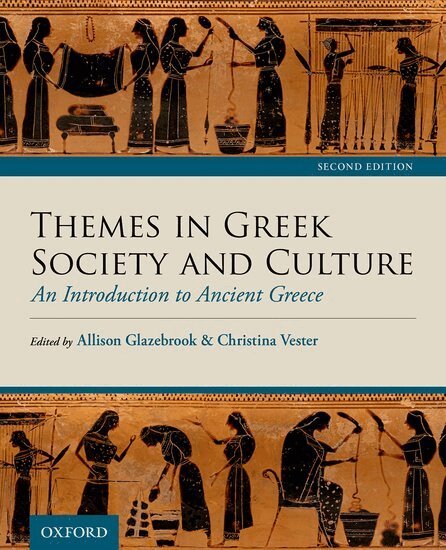
Covering the Bronze Age, as well as the Archaic, Classical, and early Hellenistic periods, Themes in Greek Society and Culture introduces students to central aspects of ancient Greek society. The updated second edition brings together 20 expert contributors who explore the institutions, structures, activities, and cultural output that formed the experience of living in ancient Greece.
Häftad, Engelska, 2011
277 kr
Skickas inom 10-15 vardagar
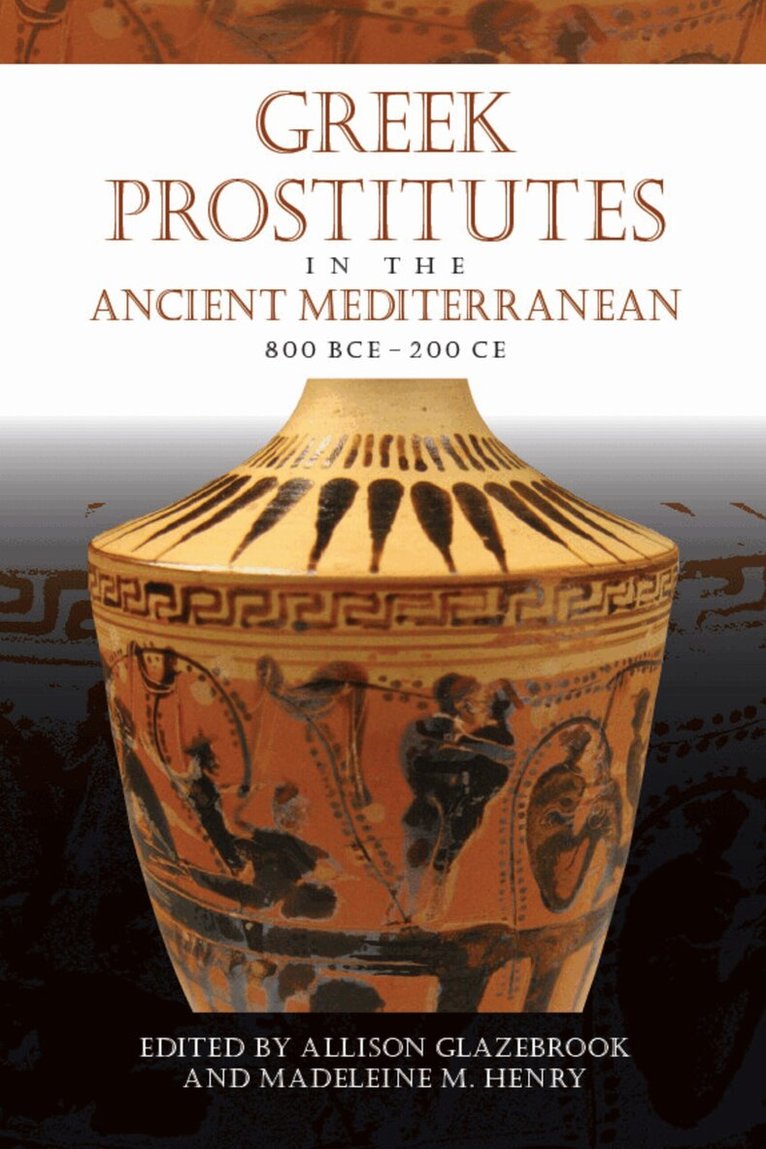
Greek Prostitutes in the Ancient Mediterranean, 800 BCE–200 CE challenges the often-romanticised view of the prostitute as an urbane and liberated courtesan by examining the social and economic realities of the sex industry in Greco-Roman culture. Departing from the conventional focus on elite society, these essays consider the Greek prostitute as displaced foreigner, slave, and member of an urban underclass. The contributors draw on a wide range of material and textual evidence to discuss portrayals of prostitutes on painted vases and in the literary tradition, their roles at symposia (Greek drinking parties), and their place in the everyday life of the polis. Reassessing many assumptions about the people who provided and purchased sexual services, this volume yields a new look at gender, sexuality, urbanism, and economy in the ancient Mediterranean world.
E-bok
Engelska, 20161 467 kr
Läs direkt efter köp
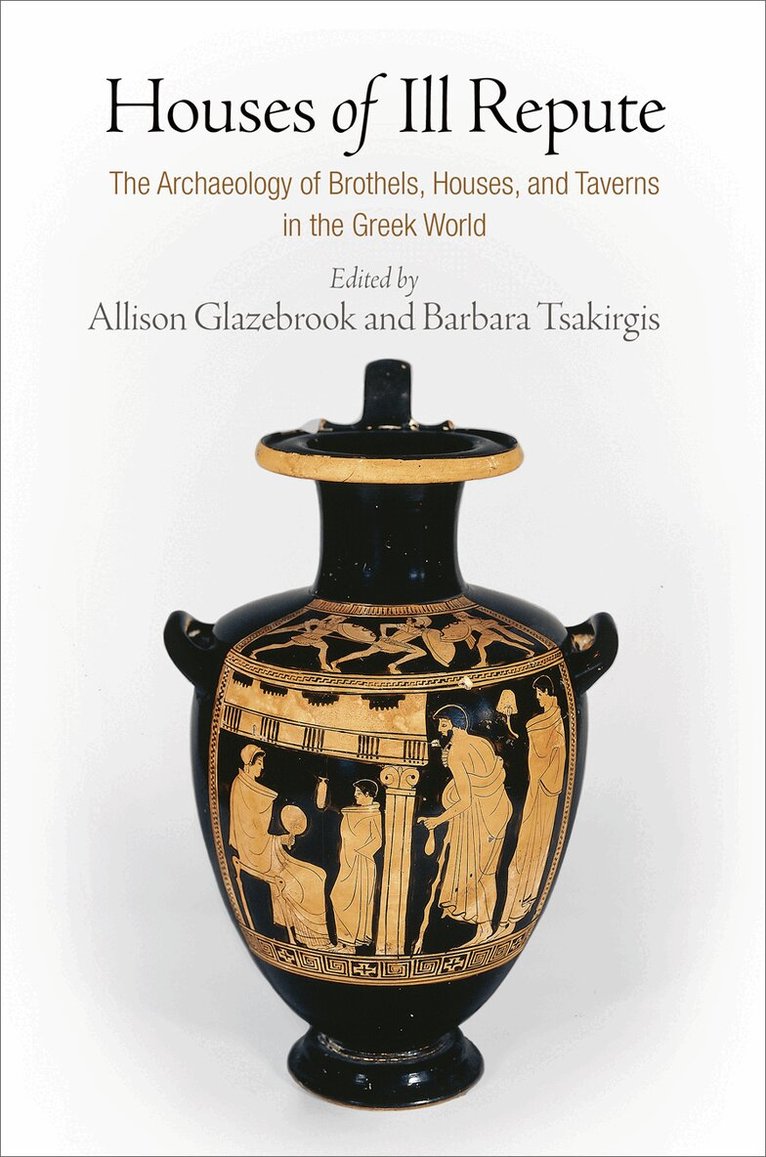
The study of ancient Greek urbanism has moved from examining the evidence for town planning and the organization of the city-state, or polis, to considerations of "everyday life." That is, it has moved from studying the public (fortifications, marketplaces, council houses, gymnasiums, temples, theaters, fountain houses) to studying the private (the physical remains of Greek houses). But what of those buildings that housed activities neither public nor private-brothels, taverns, and other homes of illicit activity? Can they be distinguished from houses? Were businesses like these run from homes? Classical Athenian writers attest to a diverse urban landscape that included tenement houses (sunoikiai), inns (diaitai, pandokeia), factories (ergasteria), taverns (kapelia), gambling dens (skirapheia), training schools (didaskaleia), and brothels (porneia), yet, despite our knowledge of specific terms, associating them with actual physical remains has not been easy. One such writer, Isaeus, mentions tenement houses that hosted prostitutes and wine sellers, while his contemporary Aeschines refers to doctors, smiths, fullers, carpenters, and pimps renting space. Were tenement houses not simply multi-inhabitant spaces but also multipurpose ones?Houses of Ill Repute is the first book to focus on the difficulties of distinguishing private and semiprivate spaces. While others have studied houses or brothels, this volume looks at both together. The chapters, by leading scholars in the field, address such questions as "What is a house?" and "Did the business of prostitution leave behind a unique archaeological record?" Presenting several approaches to identifying and studying distinctions between domestic residences and houses of ill repute, and drawing on the fields of literature, history, and art history and theory, the volume's contributors provide a way forward for the study of domestic and entertainment spaces in the Hellenic world.Contributors: Bradley A. Ault, Allison Glazebrook, Mark L. Lawall, Kathleen M. Lynch, David Scahill, Amy C. Smith, Monika TrÜmper, Barbara Tsakirgis.
Inbunden, Engelska, 2021
629 kr
Skickas inom 5-8 vardagar
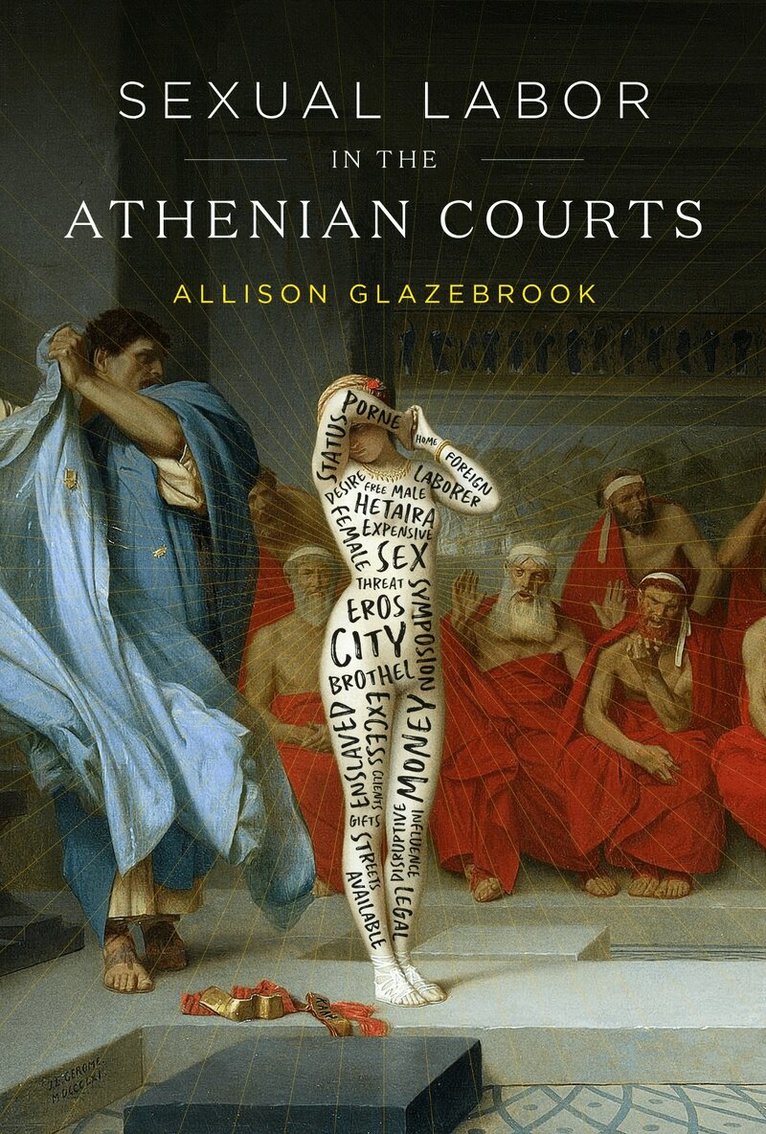
Oratory is a valuable source for reconstructing the practices, legalities, and attitudes surrounding sexual labor in classical Athens. It provides evidence of male and female sex laborers, sex slaves, brothels, sex traffickers, the cost of sex, contracts for sexual labor, and manumission practices for sex slaves. Yet the witty, wealthy, and independent hetaira, well-known from other genres, does not feature. Its detailed narratives and character portrayals provide a unique discourse on sexual labor and reveal the complex relationship between such labor and Athenian society.Through a holistic examination of five key speeches, Sexual Labor in the Athenian Courts considers how portrayals of sex laborers intersected with gender, the body, sexuality, the family, urban spaces, and the polis in the context of the Athenian courts. Drawing on gender theory and exploring questions of space, place, and mobility, Allison Glazebrook shows how sex laborers represented a diverse set of anxieties concerning social legitimacy and how the public discourse about them is in fact a discourse on Athenian society, values, and institutions.