A.M. Diehl – författare
Visar alla böcker från författaren A.M. Diehl. Handla med fri frakt och snabb leverans.
3 produkter
3 produkter
Inbunden, Engelska, 1997
2 216 kr
Skickas inom 10-15 vardagar
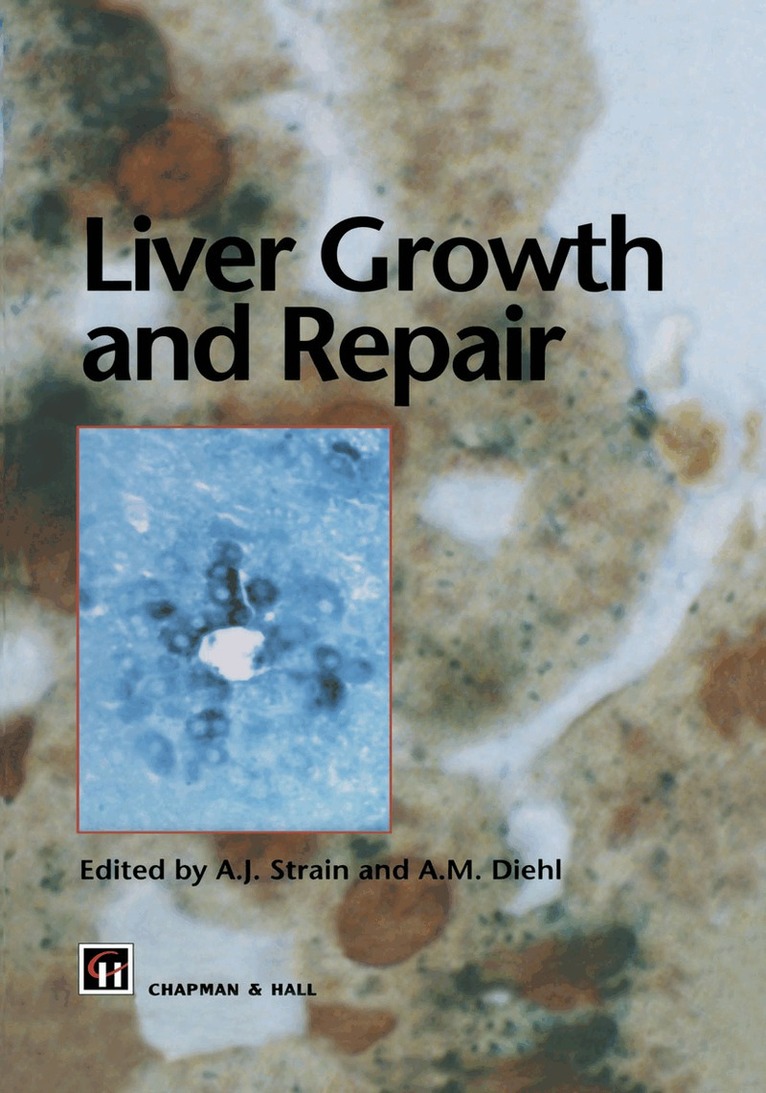
This volume brings together information on basic science research and its potential clinical application. The molecular and cell biology of liver growth is thoroughly reviewed, with an emphasis on the interaction of different cell types and the involvement of the extra-cellular matrix. Experimental models of liver repair following injury are summarized and the involvement of growth factor families discussed. Several chapters are devoted to potential clinical applications.
Häftad, Engelska, 2012
2 216 kr
Skickas inom 10-15 vardagar
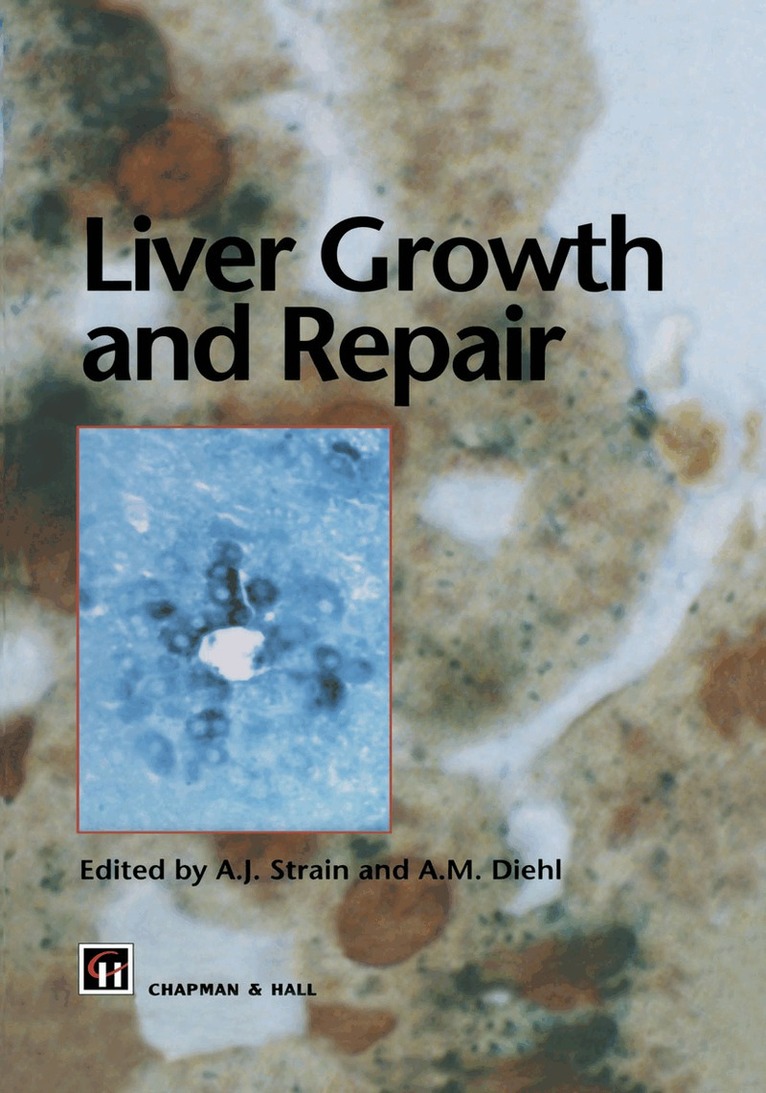
Nelson Fausto The Greek myth of Prometheus with its picture of a vulture feasting on its chained victimhas traditionallyprovided a visualimageofliverregeneration. Itis apowerful and frightening representationbut ifone were to substitute the vulture by a surgeon and Prometheus by a patient laying on a properly prepared operating table, the outcomeoftheprocedurewould not differ significantlyfrom that describedbyGreek poets. Yet few of us who work in the field have stopped long enough to ask where this myth originated. Did the poet observe a case of liver regeneration in a human being? Was it brilliant intuition or perhaps, literally, just a 'gut feeling' of a poet looking for good rhymes that led to the prediction that livers grow when part of the tissueisremoved? Thisbookdoesnotattemptto solve these historical issues. Itdoes, instead, cover in detail some of the major modem themes of research on liver regen eration, injury and repair. As indicated in Dr. N. Bucher's chapter, the modem phase ofexperimental studies on liver regeneration started in 1931 with the publication by Higgins and Anderson of a method to perform a two-thirds resection of the liver of a rat. The technique described has 3 remarkable features: 1) it is highly reproducible, resulting in the removal of 68% of the liver, 2) it has minimal if any mortality, and 3) it consists only of blood vessel ligation and does not involve cutting through or wounding hepatic tissue.
E-bok
PDF, Engelska, 20122 822 kr
Läs direkt efter köp
Nelson Fausto The Greek myth of Prometheus with its picture of a vulture feasting on its chained victimhas traditionallyprovided a visualimageofliverregeneration. Itis apowerful and frightening representationbut ifone were to substitute the vulture by a surgeon and Prometheus by a patient laying on a properly prepared operating table, the outcomeoftheprocedurewould not differ significantlyfrom that describedbyGreek poets. Yet few of us who work in the field have stopped long enough to ask where this myth originated. Did the poet observe a case of liver regeneration in a human being? Was it brilliant intuition or perhaps, literally, just a ''gut feeling'' of a poet looking for good rhymes that led to the prediction that livers grow when part of the tissueisremoved? Thisbookdoesnotattemptto solve these historical issues. Itdoes, instead, cover in detail some of the major modem themes of research on liver regen eration, injury and repair. As indicated in Dr. N. Bucher''s chapter, the modem phase ofexperimental studies on liver regeneration started in 1931 with the publication by Higgins and Anderson of a method to perform a two-thirds resection of the liver of a rat. The technique described has 3 remarkable features: 1) it is highly reproducible, resulting in the removal of 68% of the liver, 2) it has minimal if any mortality, and 3) it consists only of blood vessel ligation and does not involve cutting through or wounding hepatic tissue.