Amanda Di Ponio – författare
Visar alla böcker från författaren Amanda Di Ponio. Handla med fri frakt och snabb leverans.
3 produkter
3 produkter
Häftad, Engelska, 2018
712 kr
Skickas inom 10-15 vardagar
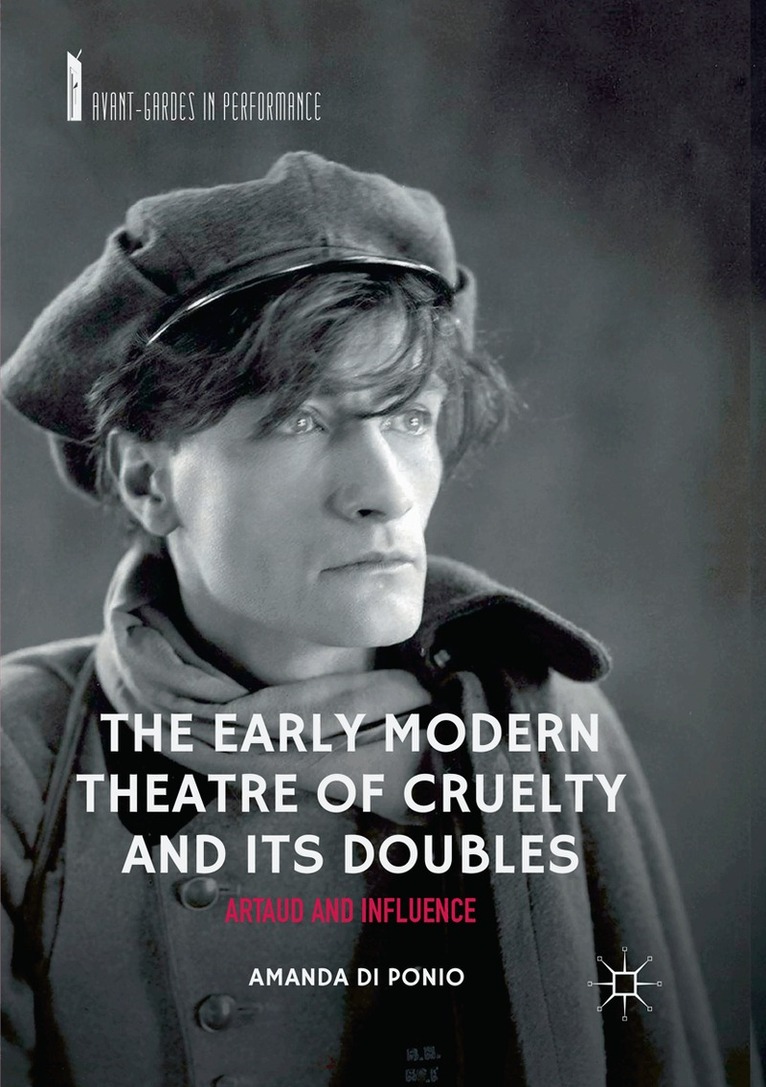
This book examines the influence of the early modern period on Antonin Artaud’s seminal work The Theatre and Its Double, arguing that Elizabethan and Jacobean drama and their early modern context are an integral part of the Theatre of Cruelty and essential to its very understanding. The chapters draw links between the early modern theatrical obsession with plague and regeneration, and how it is mirrored in Artaud’s concept of cruelty in the theatre. As a discussion of the influence of Shakespeare and his contemporaries on Artaud, and the reciprocal influence of Artaud on contemporary interpretations of early modern drama, this book is an original addition to both the fields of early modern theatre studies and modern drama.
Inbunden, Engelska, 2018
1 018 kr
Skickas inom 10-15 vardagar
This book examines the influence of the early modern period on Antonin Artaud’s seminal work The Theatre and Its Double, arguing that Elizabethan and Jacobean drama and their early modern context are an integral part of the Theatre of Cruelty and essential to its very understanding. The chapters draw links between the early modern theatrical obsession with plague and regeneration, and how it is mirrored in Artaud’s concept of cruelty in the theatre. As a discussion of the influence of Shakespeare and his contemporaries on Artaud, and the reciprocal influence of Artaud on contemporary interpretations of early modern drama, this book is an original addition to both the fields of early modern theatre studies and modern drama.
E-bok
Engelska, 2018920 kr
Läs direkt efter köp
This book examines the influence of the early modern period on Antonin Artaud’s seminal work The Theatre and Its Double, arguing that Elizabethan and Jacobean drama and their early modern context are an integral part of the Theatre of Cruelty and essential to its very understanding. The chapters draw links between the early modern theatrical obsession with plague and regeneration, and how it is mirrored in Artaud’s concept of cruelty in the theatre. As a discussion of the influence of Shakespeare and his contemporaries on Artaud, and the reciprocal influence of Artaud on contemporary interpretations of early modern drama, this book is an original addition to both the fields of early modern theatre studies and modern drama.