Amanda Montell - Böcker
Visar alla böcker från författaren Amanda Montell. Handla med fri frakt och snabb leverans.
11 produkter
11 produkter
160 kr
Skickas
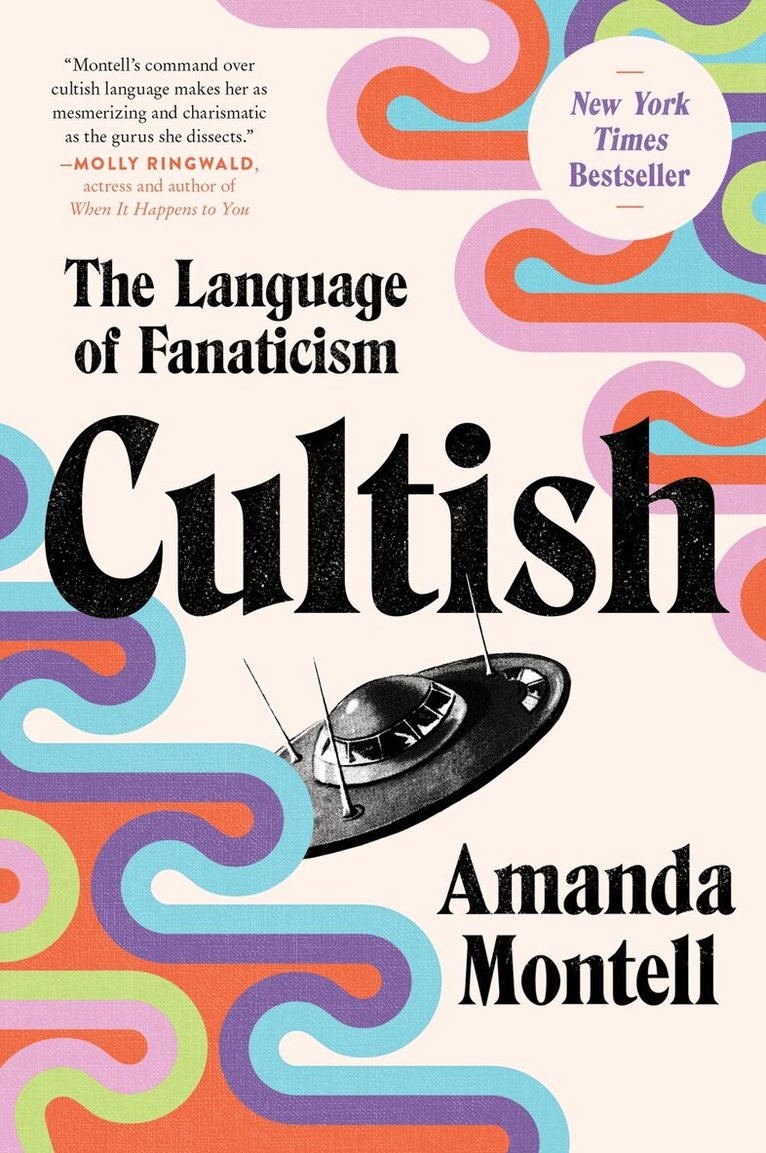
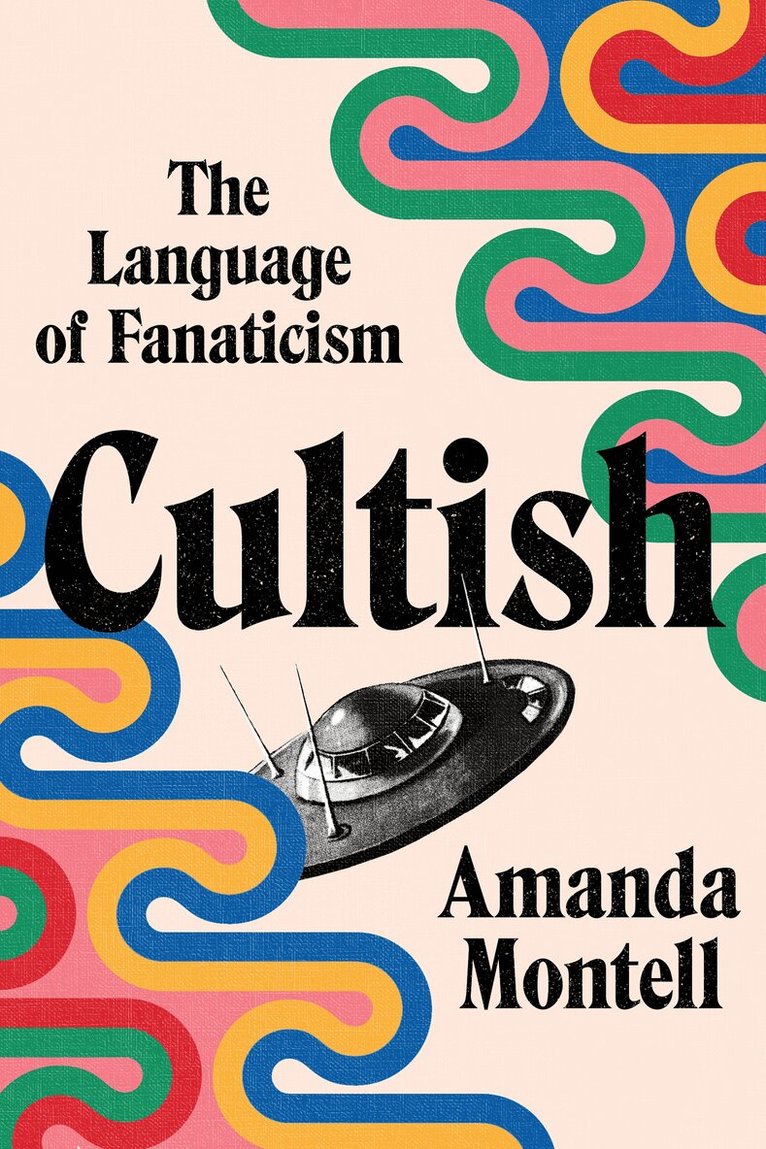
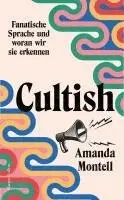
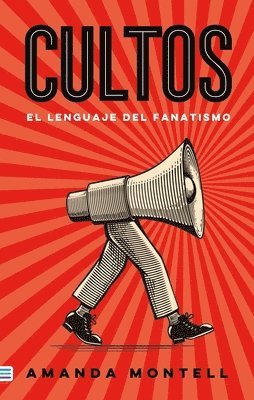
NOW IN PAPERBACK—AN INSTANT NEW YORK TIMES BESTSELLER“One of those life-changing reads that makes you see—or, in this case, hear—the whole world differently.” —Megan Angelo, author of Followers“At times chilling, often funny, and always perceptive and cogent, Cultish is a bracing reminder that the scariest thing about cults is that you don’t realize you’re in one till it’s too late.”—Refinery29.comThe New York Times bestselling author of The Age of Magical Overthinking and Wordslut analyzes the social science of cult influence: how “cultish” groups, from Jonestown and Scientologists to SoulCycle and social media gurus, use language as the ultimate form of power.What makes “cults” so intriguing and frightening? What makes them powerful? The reason why so many of us binge Manson documentaries by the dozen and fall down rabbit holes researching suburban moms gone QAnon is because we’re looking for a satisfying explanation for what causes people to join—and more importantly, stay in—extreme groups. We secretly want to know: could it happen to me? In this captivating work of nonfiction cultural commentary, Amanda Montell’s argument is that, on some level, it already has . . .Our culture tends to provide pretty flimsy answers to questions of cult influence, mostly having to do with vague talk of “brainwashing.” But the true answer has nothing to do with freaky mind-control wizardry or Kool-Aid. In Cultish, Montell argues that the key to manufacturing intense ideology, community, and us/them attitudes all comes down to the specific language of fanaticism. In both positive ways and shadowy ones, cultish language is something we hear—and are influenced by—every single day. Through juicy storytelling and cutting original research, Montell exposes the verbal elements that make a wide spectrum of communities “cultish,” revealing how they affect followers of groups as notorious as Heaven’s Gate, but also how they pervade our modern start-ups, cult fitness classes, Peloton leaderboards, and Instagram feeds. Incisive and darkly funny, this enrapturing take on the curious social science of power and belief will make you hear the fanatical language of “cultish” everywhere.This gripping exploration of sociolinguistics reveals:The Linguistics of Influence: A fascinating breakdown of how specific linguistic techniques—from loaded language to thought-terminating clichés—create intense ideology and control, without any freaky mind-control wizardry.From Jonestown to Social Media: An eye-opening look at a wide spectrum of "cultish" groups, connecting the dots between notorious cults like Heaven's Gate and the subtle persuasion in modern start-ups and Instagram feeds.The Social Science of Power: Through juicy storytelling and cutting research, Montell decodes why we're so drawn to these groups and answers the secret question we all have: "Could it happen to me?"MLMs and #BossBabes: A sharp analysis of how multilevel marketing schemes and other modern tribes use the language of empowerment and inspiration as a powerful tool for recruitment and retention.
218 kr
Skickas
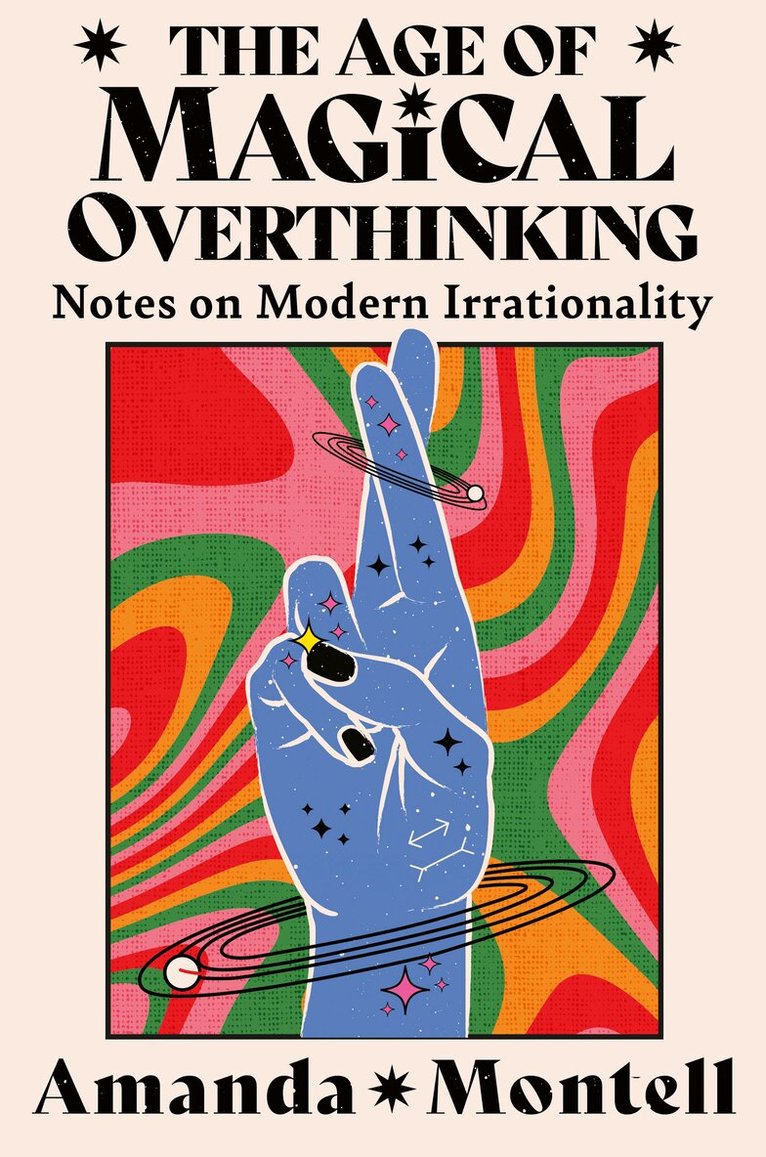
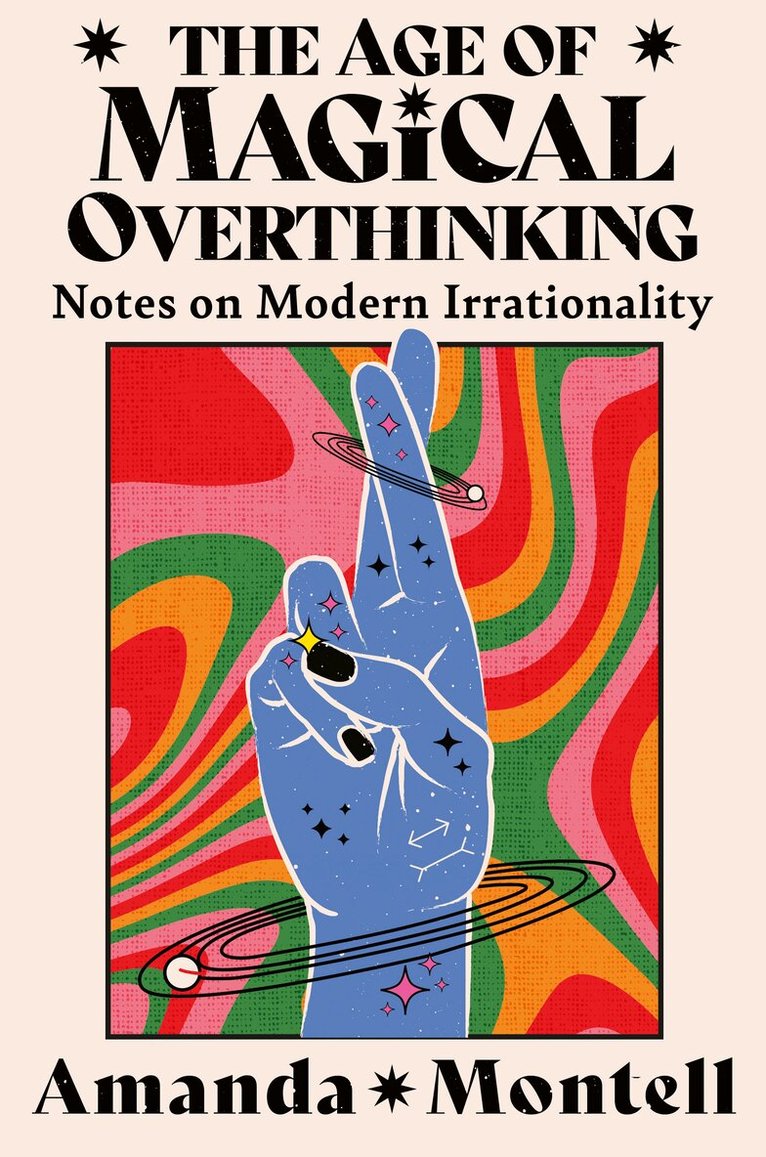
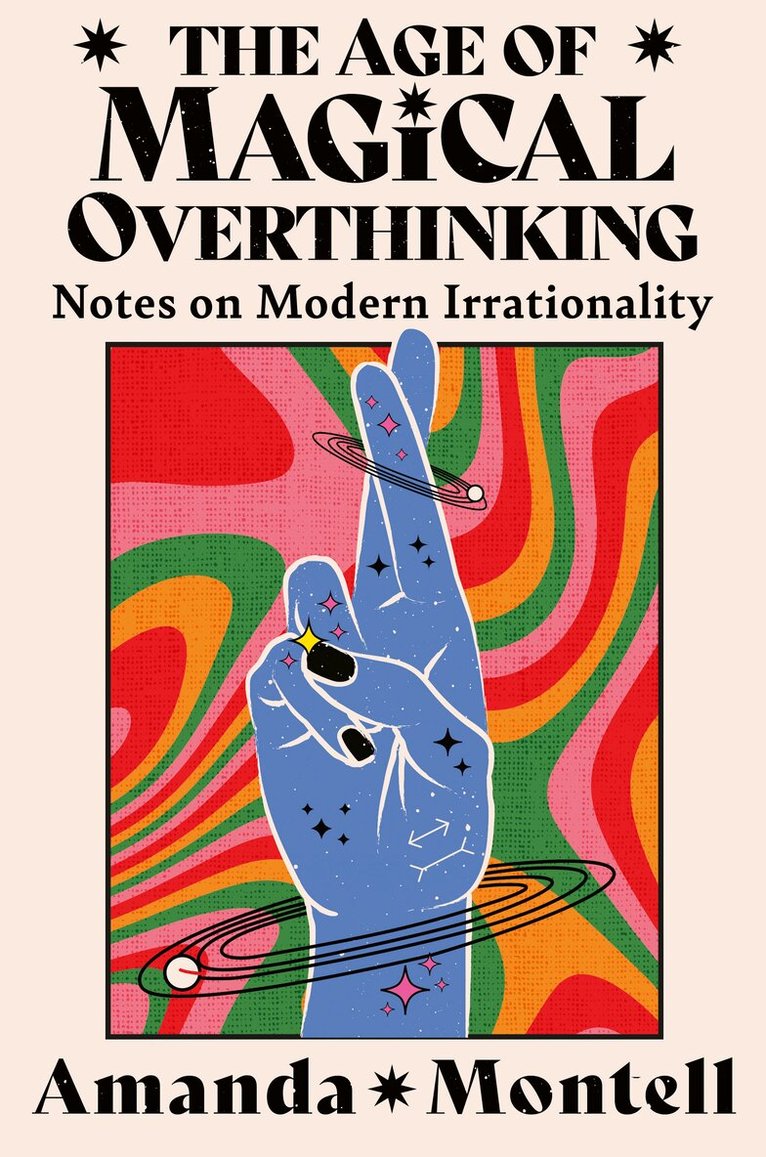
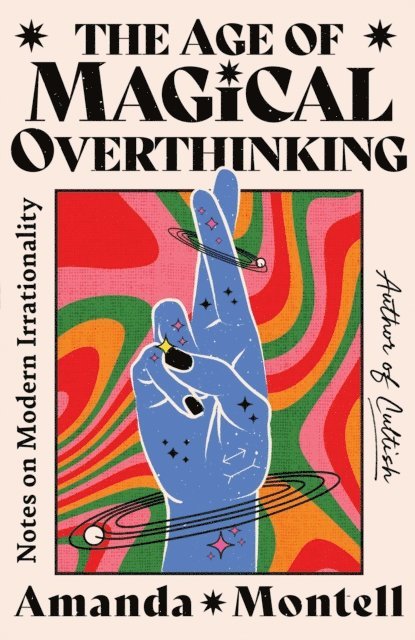
In the modern information age, our brain’s coping mechanisms have been overloaded, and our irrationality turned up to eleven. Amanda Montell blends cultural criticism and personal narrative to explore our modern cognitive biases and the power, disadvantages and highlights of magical overthinking. "Magical thinking" can be broadly defined as the belief that one's internal thoughts can affect unrelated events in the external world. Whether that's "manifesting" their way out of poverty, staving off cancer with positive vibes, or transforming an unhealthy relationship to a glorious one through loyalty alone.In a series of razor sharp and introspective chapters, Montell delves into cognitive biases that run rampant in our brains, from how the "halo effect" cultivates worship (and hatred) of larger-than-life celebrities, to how the "sunk cost fallacy" can keep us in detrimental relationships long after they no longer serve us.Told with her signature brilliance and wit, Montell delivers a powerful prevailing message of hope and forgiveness for our anxious human experience. If you ever find yourself struggling, despite your best efforts, to keep faith in our overwhelming information overload, this book will be your guiding light.Now’s the time to make sense of the senselessness and refresh our minds. Montell illuminates in the chaos, quieting the havoc, and invites us to listen, as even in the most startling dissonance, there is harmony.
182 kr
Skickas
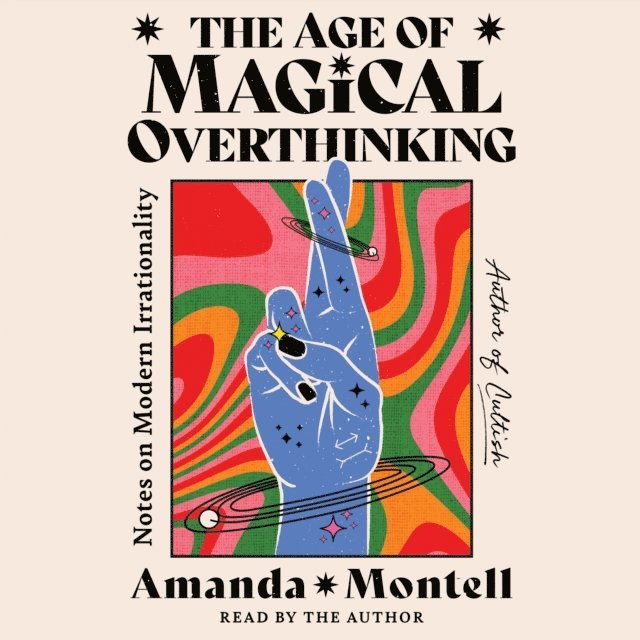
In the modern information age, our brain’s coping mechanisms have been overloaded, and our irrationality turned up to eleven. Amanda Montell blends cultural criticism and personal narrative to explore our modern cognitive biases and the power, disadvantages and highlights of magical overthinking."Magical thinking" can be broadly defined as the belief that one's internal thoughts can affect unrelated events in the external world. Whether that's "manifesting" their way out of poverty, staving off cancer with positive vibes, or transforming an unhealthy relationship to a glorious one through loyalty alone.In a series of razor sharp and introspective chapters, Montell delves into cognitive biases that run rampant in our brains, from how the "halo effect" cultivates worship (and hatred) of larger-than-life celebrities, to how the "sunk cost fallacy" can keep us in detrimental relationships long after they no longer serve us.Told with her signature brilliance and wit, Montell delivers a powerful prevailing message of hope and forgiveness for our anxious human experience. If you ever find yourself struggling, despite your best efforts, to keep faith in our overwhelming information overload, this book will be your guiding light.Now’s the time to make sense of the senselessness and refresh our minds. Montell illuminates in the chaos, quieting the havoc, and invites us to listen, as even in the most startling dissonance, there is harmony.
144 kr
Skickas
In the modern information age, our brain’s coping mechanisms have been overloaded, and our irrationality turned up to eleven. Amanda Montell blends cultural criticism and personal narrative to explore our modern cognitive biases and the power, disadvantages and highlights of magical overthinking. "Magical thinking" can be broadly defined as the belief that one's internal thoughts can affect unrelated events in the external world. Whether that's "manifesting" their way out of poverty, staving off cancer with positive vibes, or transforming an unhealthy relationship to a glorious one through loyalty alone.In a series of razor sharp and introspective chapters, Montell delves into cognitive biases that run rampant in our brains, from how the "halo effect" cultivates worship (and hatred) of larger-than-life celebrities, to how the "sunk cost fallacy" can keep us in detrimental relationships long after they no longer serve us.Told with her signature brilliance and wit, Montell delivers a powerful prevailing message of hope and forgiveness for our anxious human experience. If you ever find yourself struggling, despite your best efforts, to keep faith in our overwhelming information overload, this book will be your guiding light.Now’s the time to make sense of the senselessness and refresh our minds. Montell illuminates in the chaos, quieting the havoc, and invites us to listen, as even in the most startling dissonance, there is harmony.
309 kr
Skickas inom 3-6 vardagar
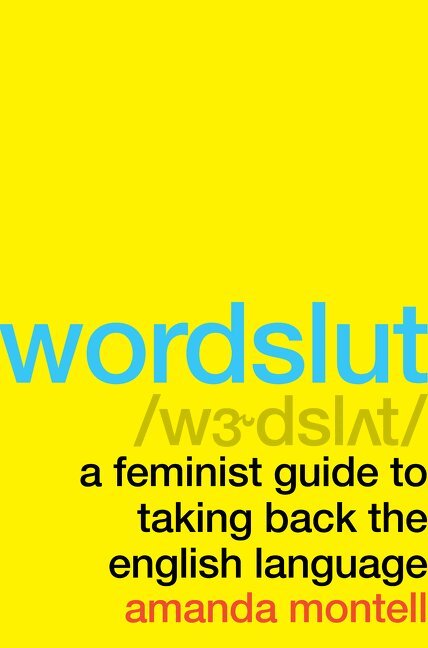
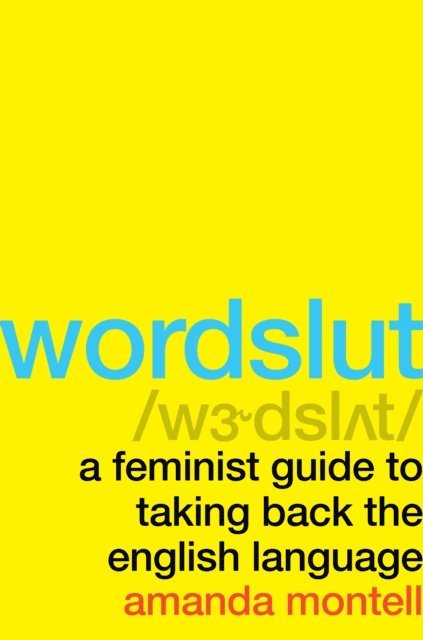
“I get so jazzed about the future of feminism knowing that Amanda Montell’s brilliance is rising up and about to explode worldwide.”—Jill SolowayA brash, enlightening, and wildly entertaining feminist look at gendered language and the way it shapes us.The word bitch conjures many images, but it is most often meant to describe an unpleasant woman. Even before its usage to mean “a female canine,” bitch didn’t refer to women at all—it originated as a gender-neutral word for “genitalia.” A perfectly innocuous word devolving into an insult directed at females is the case for tons more terms, including hussy, which simply meant “housewife”; and slut, which meant “an untidy person” and was also used to describe men. These are just a few of history’s many English slurs hurled at women.Amanda Montell, reporter and feminist linguist, deconstructs language—from insults, cursing, gossip, and catcalling to grammar and pronunciation patterns—to reveal the ways it has been used for centuries to keep women and other marginalized genders from power. Ever wonder why so many people are annoyed when women speak with vocal fry or use like as filler? Or why certain gender-neutral terms stick and others don’t? Or where stereotypes of how women and men speak come from in the first place?Montell effortlessly moves between history, science, and popular culture to explore these questions—and how we can use the answers to affect real social change. Montell’s irresistible humor shines through, making linguistics not only approachable but downright hilarious and profound. Wordslut gets to the heart of our language, marvels at its elasticity, and sheds much-needed light on the biases that shadow women in our culture and our consciousness.
160 kr
Skickas
“As funny as it is informative, this book will have you laughing out loud while you contemplate the revolutionary power of words.” —Camille Perri, author of The Assistants and When Katie Met CassidyA brash, enlightening, and wildly entertaining work of pop linguistics and a feminist look at gendered language and the way it shapes us.The word bitch conjures many images, but it is most often meant to describe an unpleasant woman. Even before its usage to mean “a female canine,” bitch didn’t refer to women at all—it originated as a gender-neutral word for “genitalia.” A perfectly innocuous word devolving into an insult directed at females is the case for tons more terms, including hussy, which simply meant “housewife”; and slut, which meant “an untidy person” and was also used to describe men. These are just a few of history’s many English slurs hurled at women.Amanda Montell, reporter and feminist linguist, deconstructs language—from insults, cursing, gossip, and catcalling to grammar and pronunciation patterns—to reveal the ways it has been used for centuries to keep women and other marginalized genders from power. Ever wonder why so many people are annoyed when women speak with vocal fry or use like as filler? Or why certain gender-neutral terms stick and others don’t? Or where stereotypes of how women and men speak come from in the first place?Montell effortlessly moves between history, science, and popular culture to explore these questions—and how we can use the answers to affect real social change. Her irresistible humor shines through, making the field of sociolinguistics not only approachable but downright hilarious and profound. Wordslut EPB gets to the heart of our language, marvels at its elasticity, and sheds much-needed light on the sexism in language and the biases that shadow women in our culture and our consciousness.This hilarious and whip-smart journey into the field of sociolinguistics uncovers:Gendered Insults: Discover the surprising and often shocking origins of slurs like slut, hussy, and bitch—and what it means to reclaim them.Vocal Fry and Uptalk: Unpack the real linguistic power behind so-called "annoying" speech habits, from vocal fry to using "like" as a filler, and learn why young women are linguistic innovators.Language and Power: Explore how everything from catcalling to grammar rules has been used for centuries to keep women and other marginalized genders away from power.Feminist Linguistics: Arm yourself with the hilarious and profound insights of a feminist linguist who makes complex topics not only approachable but laugh-out-loud funny.
224 kr
Skickas
THE NEW YORK TIMES BESTSELLER“One of those life-changing reads that makes you see—or, in this case, hear—the whole world differently.” —Megan Angelo, author of Followers“At times chilling, often funny, and always perceptive and cogent, Cultish is a bracing reminder that the scariest thing about cults is that you don't realize you're in one till it's too late.”—Refinery29.comThe New York Times bestselling author of The Age of Magical Overthinking and Wordslut analyzes the social science of cult influence: how “cultish” groups, from Jonestown and Scientologists to SoulCycle and social media gurus, use language as the ultimate form of power.What makes “cults” so intriguing and frightening? What makes them powerful? The reason why so many of us binge Manson documentaries by the dozen and fall down rabbit holes researching suburban moms gone QAnon is because we’re looking for a satisfying explanation for what causes people to join—and more importantly, stay in—extreme groups. We secretly want to know: could it happen to me? Amanda Montell’s argument is that, on some level, it already has . . .Our culture tends to provide pretty flimsy answers to questions of cult influence, mostly having to do with vague talk of “brainwashing.” But the true answer has nothing to do with freaky mind-control wizardry or Kool-Aid. In Cultish, Montell argues that the key to manufacturing intense ideology, community, and us/them attitudes all comes down to language. In both positive ways and shadowy ones, cultish language is something we hear—and are influenced by—every single day. Through juicy storytelling and cutting original research, Montell exposes the verbal elements that make a wide spectrum of communities “cultish,” revealing how they affect followers of groups as notorious as Heaven’s Gate, but also how they pervade our modern start-ups, Peloton leaderboards, and Instagram feeds. Incisive and darkly funny, this enrapturing take on the curious social science of power and belief will make you hear the fanatical language of “cultish” everywhere.
193 kr
Skickas inom 3-6 vardagar
283 kr
Skickas inom 3-6 vardagar
294 kr
Skickas inom 3-6 vardagar
275 kr
Tillfälligt slut