Amber Manning-Ouellette - Böcker
Visar alla böcker från författaren Amber Manning-Ouellette. Handla med fri frakt och snabb leverans.
4 produkter
4 produkter
583 kr
Skickas inom 7-10 vardagar
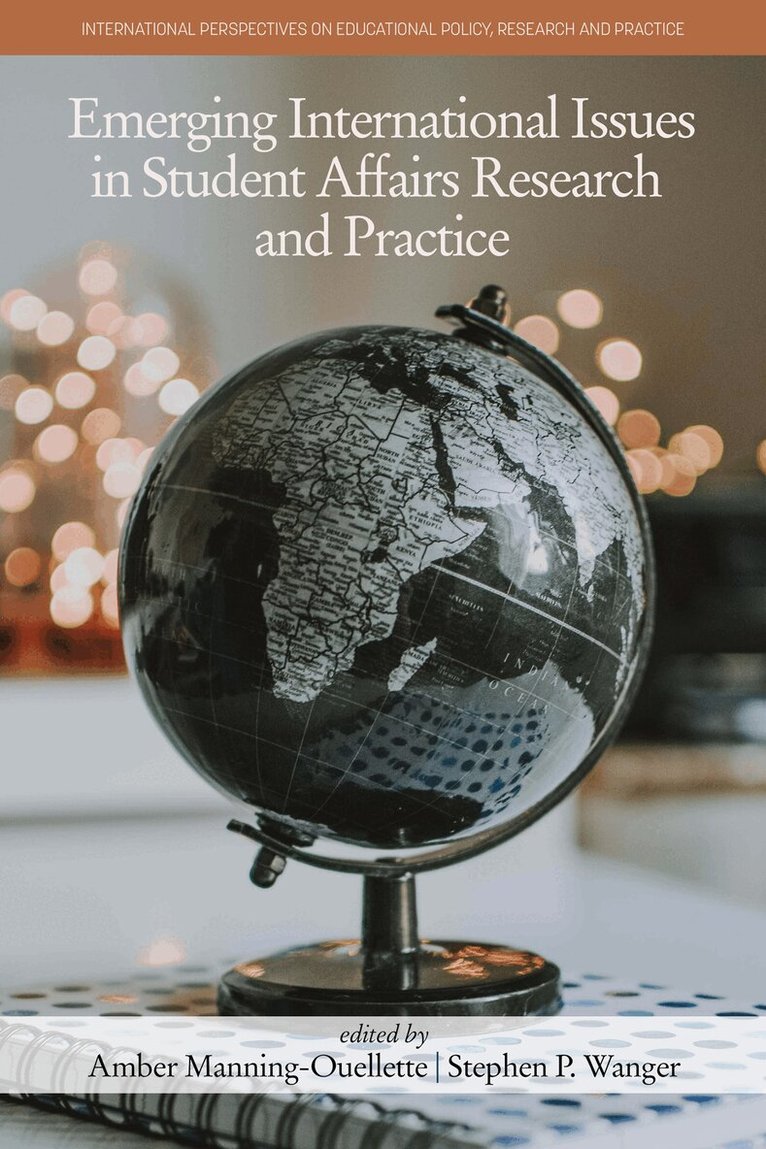
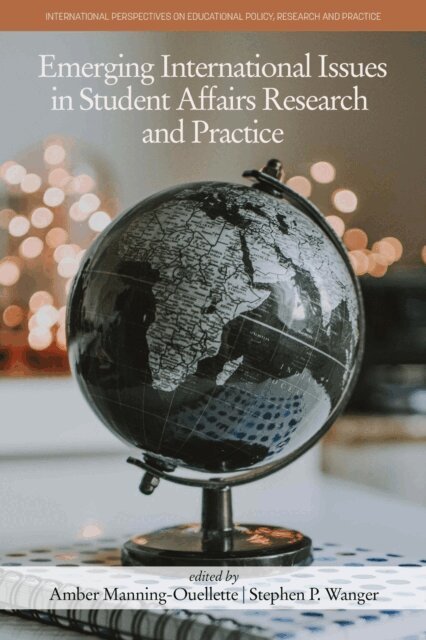
The editors of Emerging International Issues in Student Affairs Research and Practice situate developing issues in student affairs through research, new and emergent methodologies, pedagogies, and practices. The text aims to encourage intercultural perspectives and opportunities across student affairs research and practice, while calling upon international student affairs practitioners, faculty, and staff to engage in international evidence-based research that provides a foundation toward a collective consensus of the field. To accomplish these goals, the editors invited predominant practitioners in student affairs practice and student affairs scholars from across the globe to engage in discourse, share their insights, and offer implications to the student affairs profession at the international level. The editors do this by dividing the text into two parts: Part I: Theoretical, Historical, Cultural, and Ideological Considerations in International Student Affairs and Part II: Emergent International Issues and Practice in Student Affairs.In Part I, the text addresses larger contexts, theories, and frameworks for understanding some of the most recent concerns and issues that have surfaced among international higher education leaders, student affairs professionals, and scholars. The section highlights discourse on directions and praxis that relate to the internationalization of student affairs and the resulting implications. Part II amplifies the larger international issues that have recently surfaced through the context of student affairs practice. International scholars and practitioners share timely concerns and matters that influence the profession on a global scale. This section highlights specific ways that practitioners can think about their work moving forward and implications that can shape research and the profession in the future.Collectively, these chapters represent a snapshot in time. Written early in the third decade of the 21st century, they emerge from one of the most distinctive—and some would say, one of the most unrelenting and tragic—recent periods of human history. The confluence of the pandemic and other global issues is exerting extensive pressure on higher education in general and the practice of student affairs in specific. Consequently, sustained, significant change seems inevitable. As a text within the series, International Perspectives on Educational Policy, Research and Practice—a series that aids to be a leading forum for global discussion on educational issues, urgent problems, successful experiences, and reflections from educational researchers and practitioners around the world—the editors believe the text is both timely and consequential.
1 032 kr
Skickas inom 7-10 vardagar
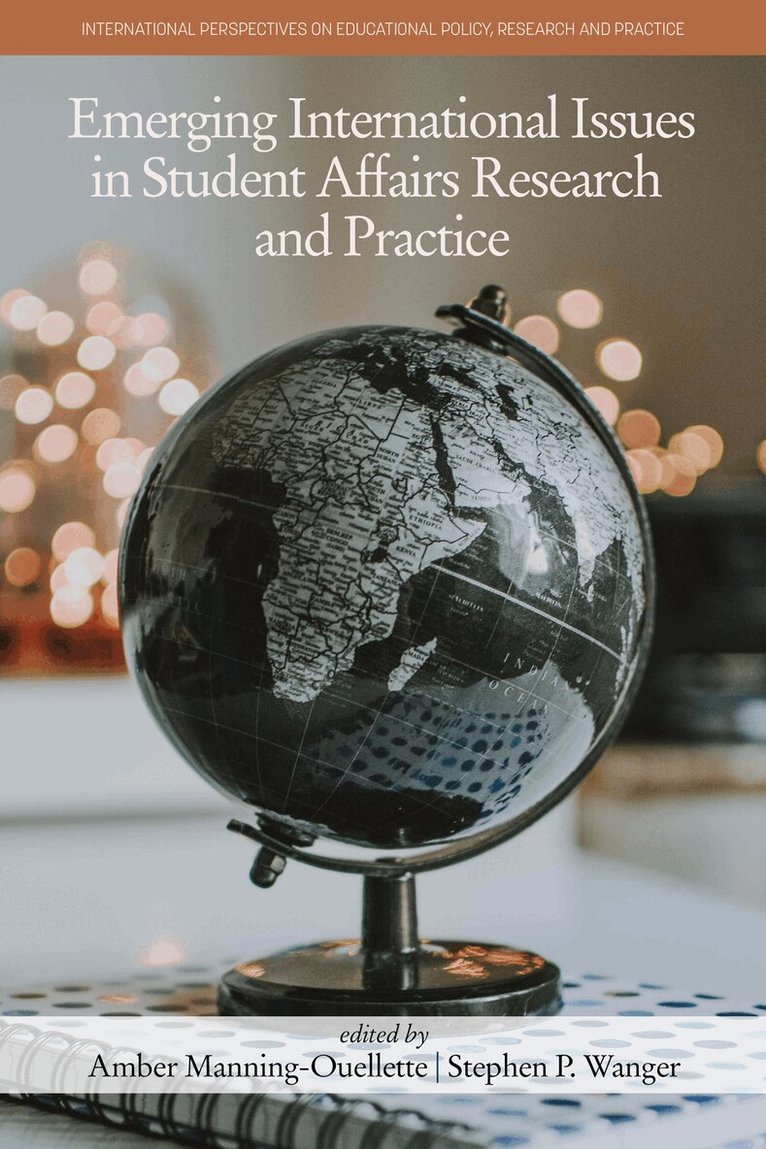
The editors of Emerging International Issues in Student Affairs Research and Practice situate developing issues in student affairs through research, new and emergent methodologies, pedagogies, and practices. The text aims to encourage intercultural perspectives and opportunities across student affairs research and practice, while calling upon international student affairs practitioners, faculty, and staff to engage in international evidence-based research that provides a foundation toward a collective consensus of the field. To accomplish these goals, the editors invited predominant practitioners in student affairs practice and student affairs scholars from across the globe to engage in discourse, share their insights, and offer implications to the student affairs profession at the international level. The editors do this by dividing the text into two parts: Part I: Theoretical, Historical, Cultural, and Ideological Considerations in International Student Affairs and Part II: Emergent International Issues and Practice in Student Affairs.In Part I, the text addresses larger contexts, theories, and frameworks for understanding some of the most recent concerns and issues that have surfaced among international higher education leaders, student affairs professionals, and scholars. The section highlights discourse on directions and praxis that relate to the internationalization of student affairs and the resulting implications. Part II amplifies the larger international issues that have recently surfaced through the context of student affairs practice. International scholars and practitioners share timely concerns and matters that influence the profession on a global scale. This section highlights specific ways that practitioners can think about their work moving forward and implications that can shape research and the profession in the future.Collectively, these chapters represent a snapshot in time. Written early in the third decade of the 21st century, they emerge from one of the most distinctive—and some would say, one of the most unrelenting and tragic—recent periods of human history. The confluence of the pandemic and other global issues is exerting extensive pressure on higher education in general and the practice of student affairs in specific. Consequently, sustained, significant change seems inevitable. As a text within the series, International Perspectives on Educational Policy, Research and Practice—a series that aids to be a leading forum for global discussion on educational issues, urgent problems, successful experiences, and reflections from educational researchers and practitioners around the world—the editors believe the text is both timely and consequential.
519 kr
Skickas inom 7-10 vardagar
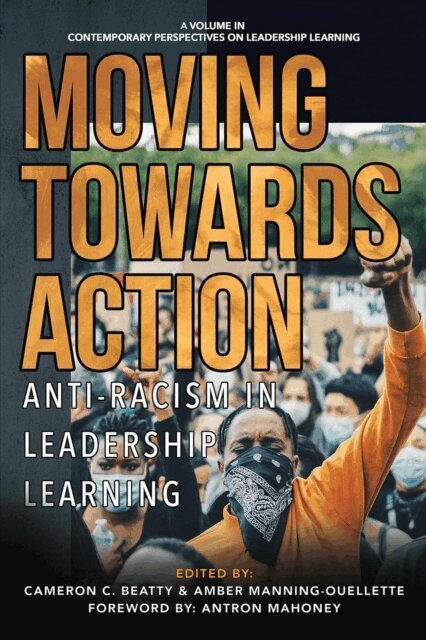
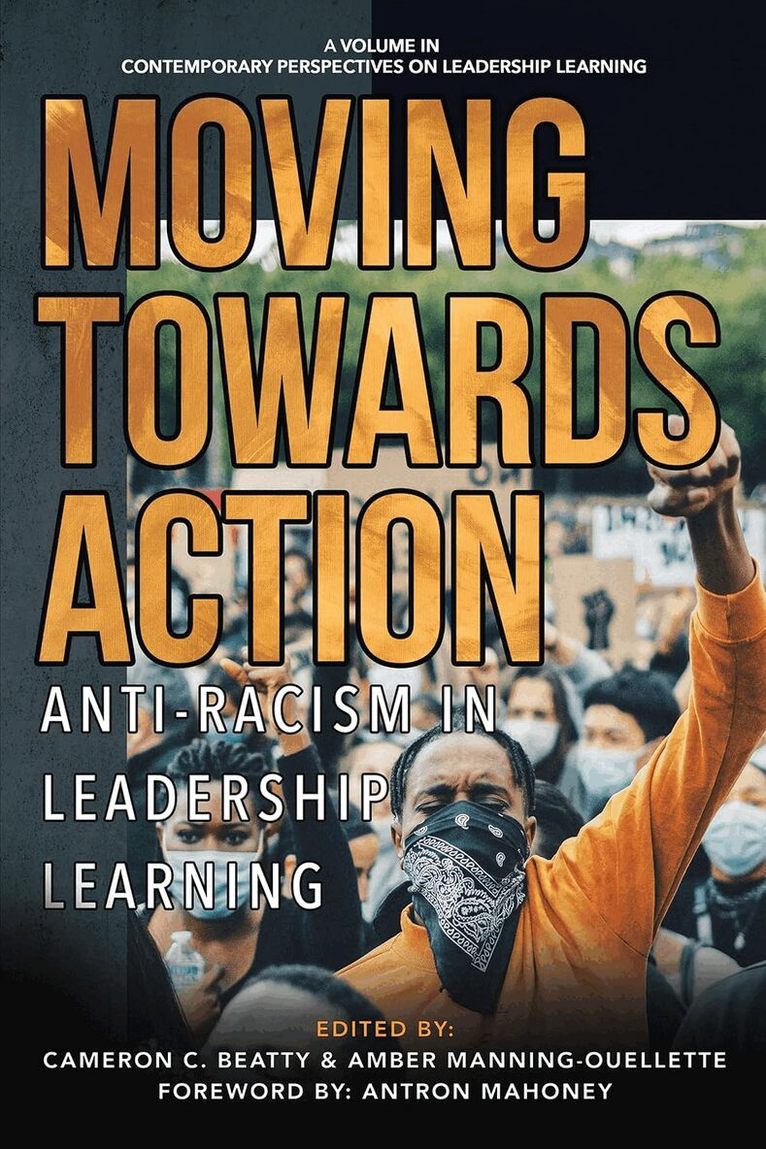
Moving Towards Action: Centering Anti-Racism in Leadership Learning speaks to communities of people within and surrounding higher education and specifically, leadership educators, partners, researchers, administrators, and student affairs practitioners. The text expands thinking on the concepts of socially and racially just leadership education by unpacking the ways in which individual, structural, and systemic racism can be embedded in curricular, co-curricular, community-based, and unstructured leadership courses and programs. By centering how implicit and explicit racism are woven into leadership education, the text asks leadership educators to critically explore their own anti-racist approaches, reimagine their leadership program outcomes, and think more broadly about how leadership education can be more anti-racist and move towards action with equitable and just outcomes. Beatty and Manning-Ouellette assemble the text for all audiences to gain a deeper, more complex perspective on racism, anti-racist frameworks, and leaving leadership education better than when they arrived.The text is organized in such a way that leadership educators can take away new practices for navigating personal struggle, fragility, and resistance around topics of racism that occur in both curricular and co-curricular collegiate leadership programs. Therefore, the text serves as an entry point to dialogue, think, and coalesce about anti-racism in leadership learning and explore what possibilities exist for us to move toward anti-racist praxis and pedagogy in leadership education.
958 kr
Skickas inom 7-10 vardagar
Moving Towards Action: Centering Anti-Racism in Leadership Learning speaks to communities of people within and surrounding higher education and specifically, leadership educators, partners, researchers, administrators, and student affairs practitioners. The text expands thinking on the concepts of socially and racially just leadership education by unpacking the ways in which individual, structural, and systemic racism can be embedded in curricular, co-curricular, community-based, and unstructured leadership courses and programs. By centering how implicit and explicit racism are woven into leadership education, the text asks leadership educators to critically explore their own anti-racist approaches, reimagine their leadership program outcomes, and think more broadly about how leadership education can be more anti-racist and move towards action with equitable and just outcomes. Beatty and Manning-Ouellette assemble the text for all audiences to gain a deeper, more complex perspective on racism, anti-racist frameworks, and leaving leadership education better than when they arrived.The text is organized in such a way that leadership educators can take away new practices for navigating personal struggle, fragility, and resistance around topics of racism that occur in both curricular and co-curricular collegiate leadership programs. Beatty and Manning-Ouellette arrange the text in three sections: 1) Theoretical and Conceptual Considerations of Anti-Racism Approaches to Leadership Learning, 2) Innovations in Research & Practice, and 3) Moving Towards Action with contributions from leadership educators and scholars. Therefore, the text serves as an entry point to dialogue, think, and coalesce about anti-racism in leadership learning and explore what possibilities exist for us to move toward anti-racist praxis and pedagogy in leadership education.