Amel Ahmed – författare
Visar alla böcker från författaren Amel Ahmed. Handla med fri frakt och snabb leverans.
4 produkter
4 produkter
Inbunden, Engelska, 2025
817 kr
Skickas inom 5-8 vardagar
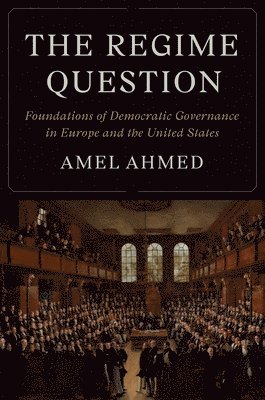
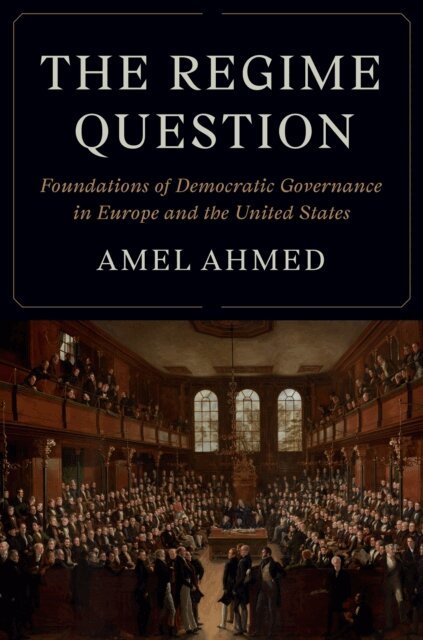
Ongoing struggles over core principles of democratic governanceThe regime question—often boiled down to “democracy or autocracy?”—has been central to democratic politics from the start. This has entailed not only fights over the extent of the franchise but also, crucially, ongoing struggles over core principles of democracy, the “rules of the game.” In this timely study, Amel Ahmed examines the origins and development of the regime question in Western democracies and considers the implications for regime contention today. She argues that battles over the regime question were so foundational and so enduring that they constitute a dimension of politics that polarized political opponents across the regime divide.Ahmed investigates four historical cases in the study of democratic development: the United Kingdom between the Reform Act of 1832 and World War II (1832–1939), Imperial and Weimar–era Germany (1876–1933), the French Third Republic (1870–1939), and the United States before World War II (1789–1939). Focusing on legislative politics as an essential site of democratic governance and key to understanding long-term democratic endurance, she shows that when the regime question became salient, it hindered the formation of viable legislative coalitions along the left-right policy spectrum. This failure opened the door to executive encroachment, destabilizing the regime. Ahmed shows that the resurgence of the regime question today is not, as is often assumed, a break with prior trajectories of political development but a new instantiation of battles fought in previous eras.
Häftad, Engelska, 2025
250 kr
Skickas inom 5-8 vardagar
Ongoing struggles over core principles of democratic governanceThe regime question—often boiled down to “democracy or autocracy?”—has been central to democratic politics from the start. This has entailed not only fights over the extent of the franchise but also, crucially, ongoing struggles over core principles of democracy, the “rules of the game.” In this timely study, Amel Ahmed examines the origins and development of the regime question in Western democracies and considers the implications for regime contention today. She argues that battles over the regime question were so foundational and so enduring that they constitute a dimension of politics that polarized political opponents across the regime divide.Ahmed investigates four historical cases in the study of democratic development: the United Kingdom between the Reform Act of 1832 and World War II (1832–1939), Imperial and Weimar–era Germany (1876–1933), the French Third Republic (1870–1939), and the United States before World War II (1789–1939). Focusing on legislative politics as an essential site of democratic governance and key to understanding long-term democratic endurance, she shows that when the regime question became salient, it hindered the formation of viable legislative coalitions along the left-right policy spectrum. This failure opened the door to executive encroachment, destabilizing the regime. Ahmed shows that the resurgence of the regime question today is not, as is often assumed, a break with prior trajectories of political development but a new instantiation of battles fought in previous eras.
Inbunden, Engelska, 2012
1 292 kr
Skickas inom 7-10 vardagar
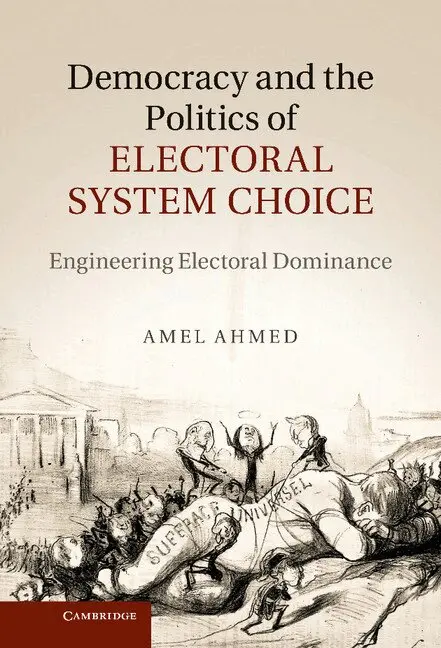
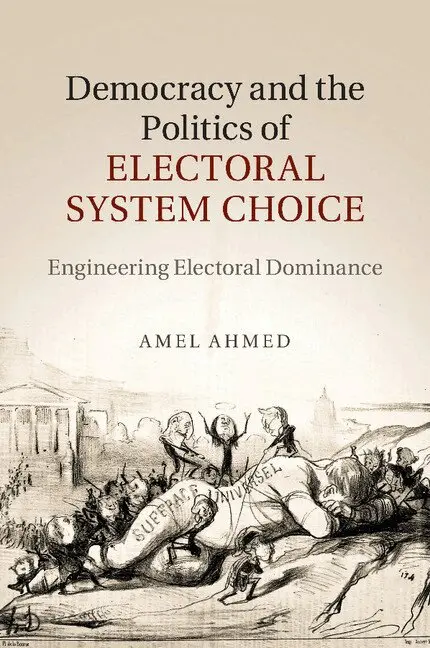
Amel Ahmed brings new historical evidence and a novel theoretical framework to bear on the study of democratization. Looking at the politics of electoral system choice at the time of suffrage expansion among early democratizers, she shows that the electoral systems used in advanced democracies today were initially devised as exclusionary safeguards to protect pre-democratic elites from the impact of democratization and, particularly, the existential threat posed by working-class mobilization. The ubiquitous use and enduring nature of these safeguards calls into question the familiar picture of democracy moving along a path of increasing inclusiveness. Instead, what emerges is a picture that is riddled with ambiguity, where inclusionary democratic reforms combine with exclusionary electoral safeguards to form a permanent part of the new democratic order. This book has important implications for our understanding of the dynamics of democratic development both in early democracies and in emerging democracies today.
Häftad, Engelska, 2015
448 kr
Skickas inom 7-10 vardagar
Amel Ahmed brings new historical evidence and a novel theoretical framework to bear on the study of democratization. Looking at the politics of electoral system choice at the time of suffrage expansion among early democratizers, she shows that the electoral systems used in advanced democracies today were initially devised as exclusionary safeguards to protect pre-democratic elites from the impact of democratization and, particularly, the existential threat posed by working-class mobilization. The ubiquitous use and enduring nature of these safeguards calls into question the familiar picture of democracy moving along a path of increasing inclusiveness. Instead, what emerges is a picture that is riddled with ambiguity, where inclusionary democratic reforms combine with exclusionary electoral safeguards to form a permanent part of the new democratic order. This book has important implications for our understanding of the dynamics of democratic development both in early democracies and in emerging democracies today.