Amelia M. Kiddle – författare
Visar alla böcker från författaren Amelia M. Kiddle. Handla med fri frakt och snabb leverans.
4 produkter
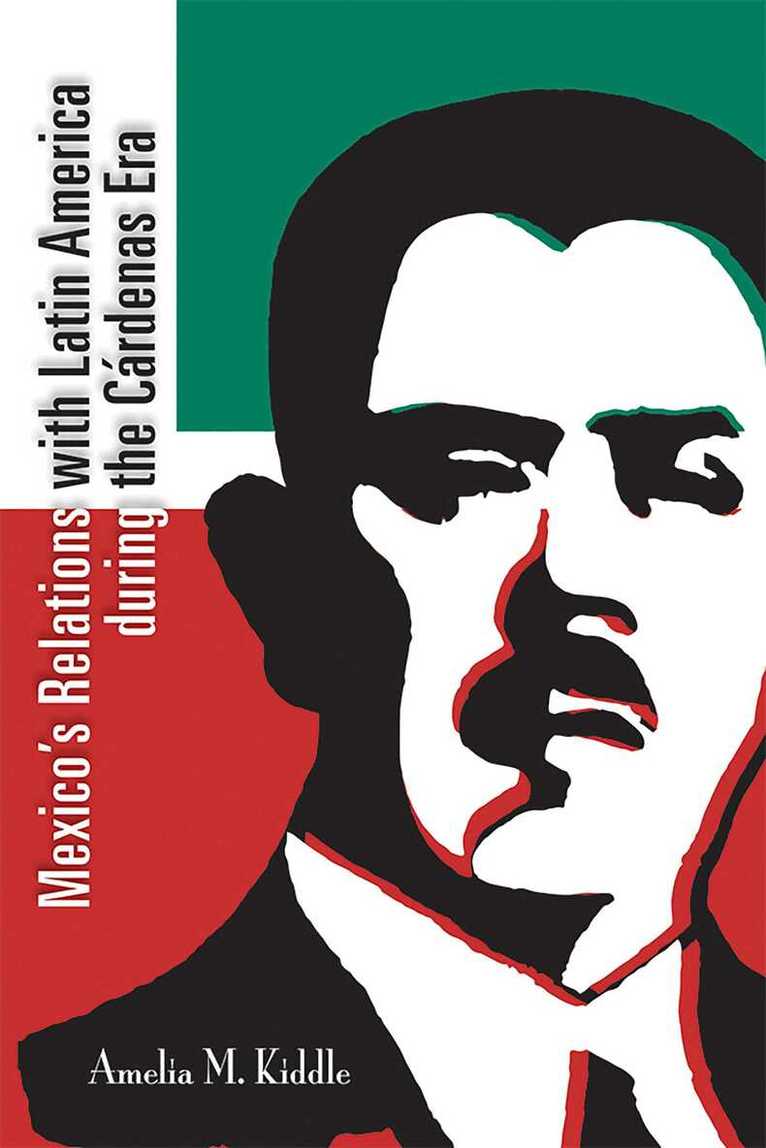
Mexico's Relations with Latin America During the Càrdenas Era
Inbunden, 2016
653 kr
Lägg i varukorg
This book examines culture and diplomacy in Mexico's relations with the rest of Latin America during the presidency of Làzaro Càrdenas (1934-1940). Drawing on archival research throughout Latin America, the author demonstrates that Càrdenas's representation of Mexico as a revolutionary nation …
Historical Dictionary of Mexico
Av Amelia M. Kiddle, Ryan Alexander
Inbunden, 2024
2473 kr
Lägg i varukorg
Tracing the historical development of Mexico from the pre-Hispanic period to the present, the Historical Dictionary of Mexico, Third Edition, is an excellent resource for students, teachers, researchers, and the general public. This reference work includes a detailed chronology, an introduction …
Historical Dictionary of Mexico
Av Amelia M. Kiddle, Ryan Alexander
E-bok, 2024
2728 kr
Lägg i varukorg
Tracing the historical development of Mexico from the pre-Hispanic period to the present, the Historical Dictionary of Mexico , Third Edition , is an excellent resource for students, teachers, researchers, and the general public. This reference work includes a detailed chronology, an introduction …
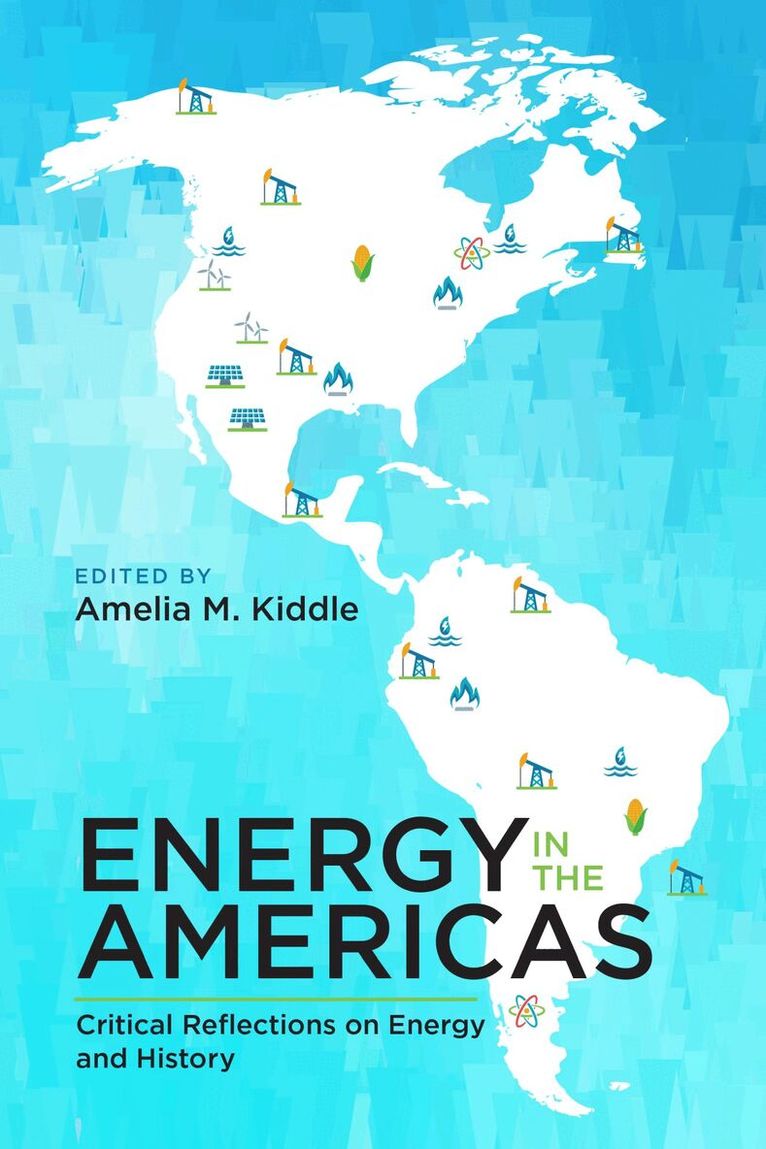
Energy in the Americas
Critical Reflections on Energy and History
Av Amelia M, Kiddle, Amelia Kiddle
Häftad, 2021
515 kr
Lägg i varukorg
Understanding the history of energy and its evolving place of energy in society is essential to face the changing future of energy production. Across North and South America, national and localized understandings of energy as a common, public, or market good have influenced the development of …