Amelie Hastie – författare
Visar alla böcker från författaren Amelie Hastie. Handla med fri frakt och snabb leverans.
9 produkter
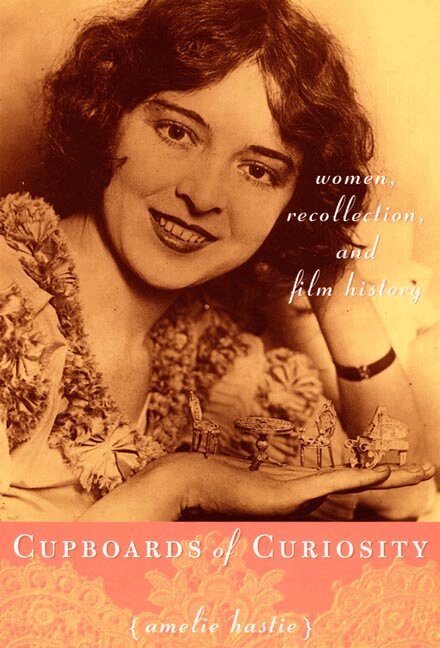
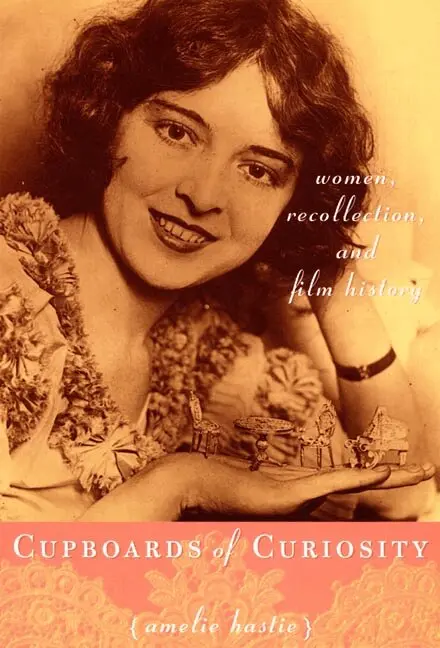
Cupboards of Curiosity
Women, Recollection, and Film History
Häftad, 2007
409 kr
Lägg i varukorg
In Cupboards of Curiosity Amelie Hastie rethinks female authorship within film history by expanding the historical archive to include dollhouses, scrapbooks, memoirs, cookbooks, and ephemera. Focusing on women who worked during the silent-film era, Hastie reveals how female stars, directors, and …
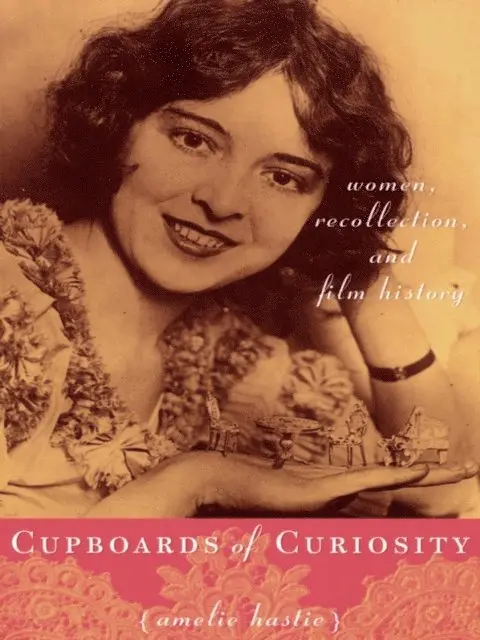
Cupboards of Curiosity
Women, Recollection, and Film History
E-bok, 2007
605 kr
Lägg i varukorg
In Cupboards of Curiosity Amelie Hastie rethinks female authorship within film history by expanding the historical archive to include dollhouses, scrapbooks, memoirs, cookbooks, and ephemera. Focusing on women who worked during the silent-film era, Hastie reveals how female stars, directors, and …
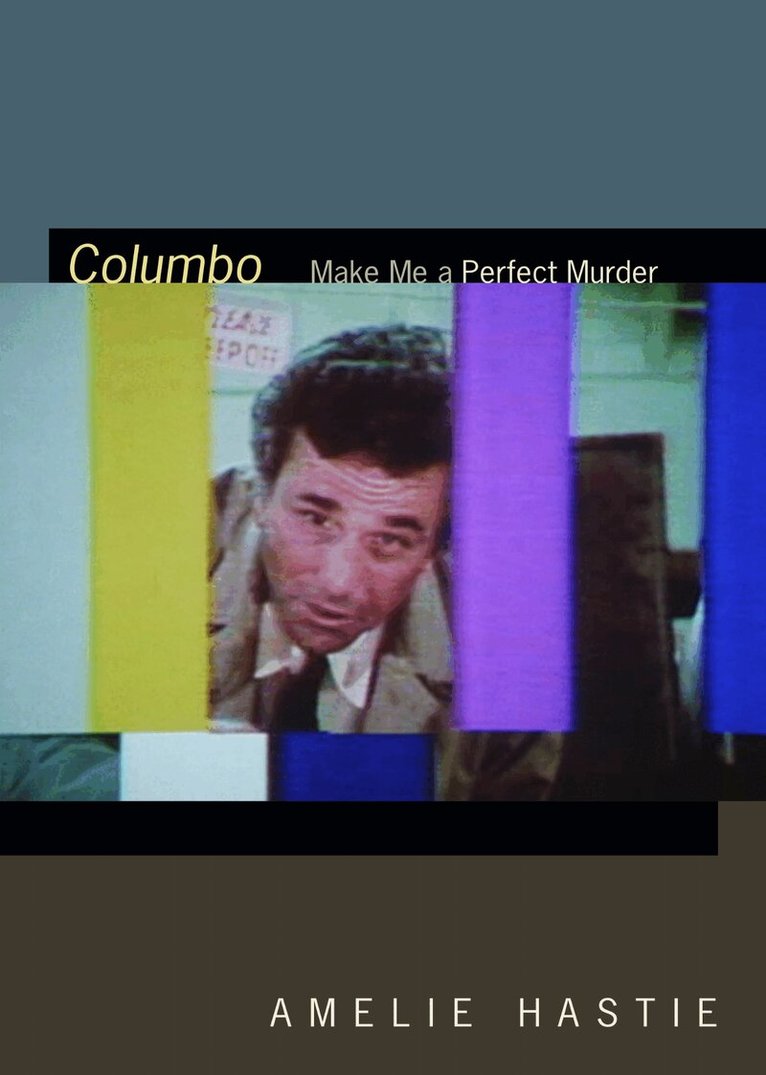
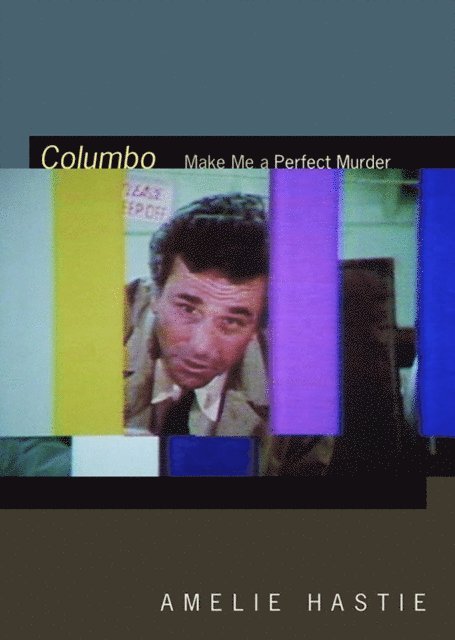
Columbo
Make Me a Perfect Murder
Inbunden, 2024
1227 kr
Lägg i varukorg
For decades, generations of television fans have been enraptured by Lt. Columbo, played by Peter Falk, as he unravels clues to catch killers who believe they are above the law. In her investigation of the 1970s series cocreated by Richard Levinson and William Link, Amelie Hastie explores television …
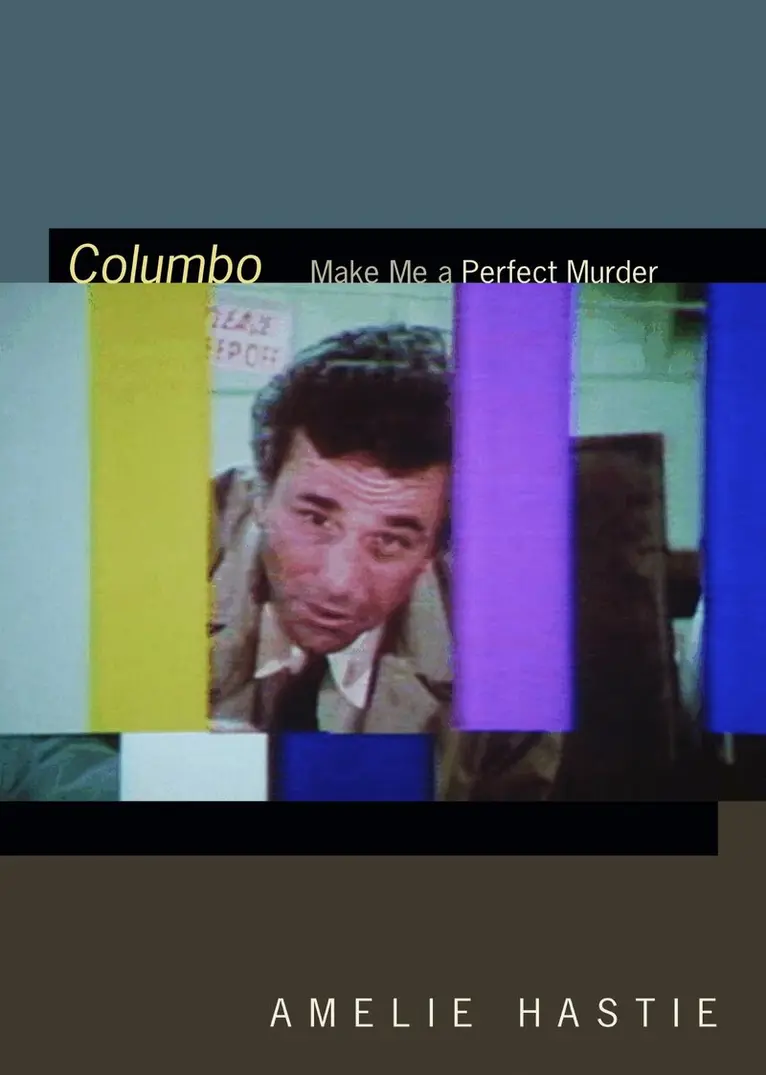
Columbo
Make Me a Perfect Murder
Häftad, 2024
305 kr
Lägg i varukorg
For decades, generations of television fans have been enraptured by Lt. Columbo, played by Peter Falk, as he unravels clues to catch killers who believe they are above the law. In her investigation of the 1970s series cocreated by Richard Levinson and William Link, Amelie Hastie explores television …
Columbo
Make Me a Perfect Murder
E-bok, 2024
467 kr
Lägg i varukorg
For decades, generations of television fans have been enraptured by Lt. Columbo, played by Peter Falk, as he unravels clues to catch killers who believe they are above the law. In her investigation of the 1970s series cocreated by Richard Levinson and William Link, Amelie Hastie explores television …
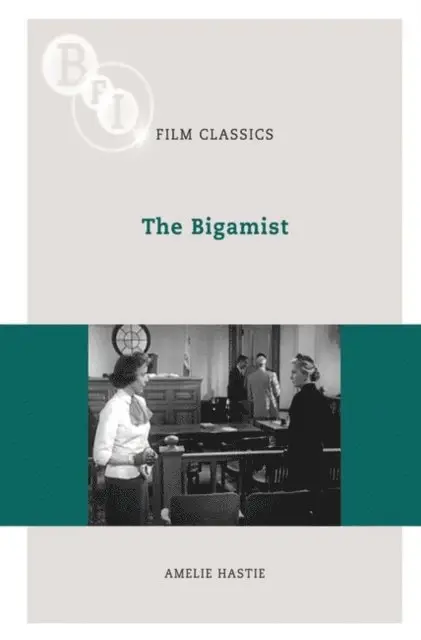
Bigamist
E-bok, 2019
211 kr
Lägg i varukorg
Directed by the actor/film-maker Ida Lupino, The Bigamist (1953) is the story of Harry Graham, a salesman travelling between two towns and two wives. In its portrayal of Harry''s ''double life'', the film takes on a double life of its own, hovering as it does between two genres. Telling the story …
Bigamist
Häftad, 2009
201 kr
Lägg i varukorg
Directed by the actor/film-maker Ida Lupino, The Bigamist (1953) is the story of Harry Graham, a salesman travelling between two towns and two wives. In its portrayal of Harry's 'double life', the film takes on a double life of its own, hovering as it does between two genres. Telling the story …
Bigamist
E-bok, 2017
215 kr
Lägg i varukorg
Directed by the actor/film-maker Ida Lupino, The Bigamist (1953) is the story of Harry Graham, a salesman travelling between two towns and two wives. In its portrayal of Harry''s ''double life'', the film takes on a double life of its own, hovering as it does between two genres. Telling the story …
Cupboards of Curiosity
Women, Recollection, and Film History
Inbunden, 2007
1347 kr
Tillfälligt slut
In Cupboards of Curiosity Amelie Hastie rethinks female authorship within film history by expanding the historical archive to include dollhouses, scrapbooks, memoirs, cookbooks, and ephemera. Focusing on women who worked during the silent-film era, Hastie reveals how female stars, directors, and …