Amene Saghazadeh – författare
Visar alla böcker från författaren Amene Saghazadeh. Handla med fri frakt och snabb leverans.
5 produkter
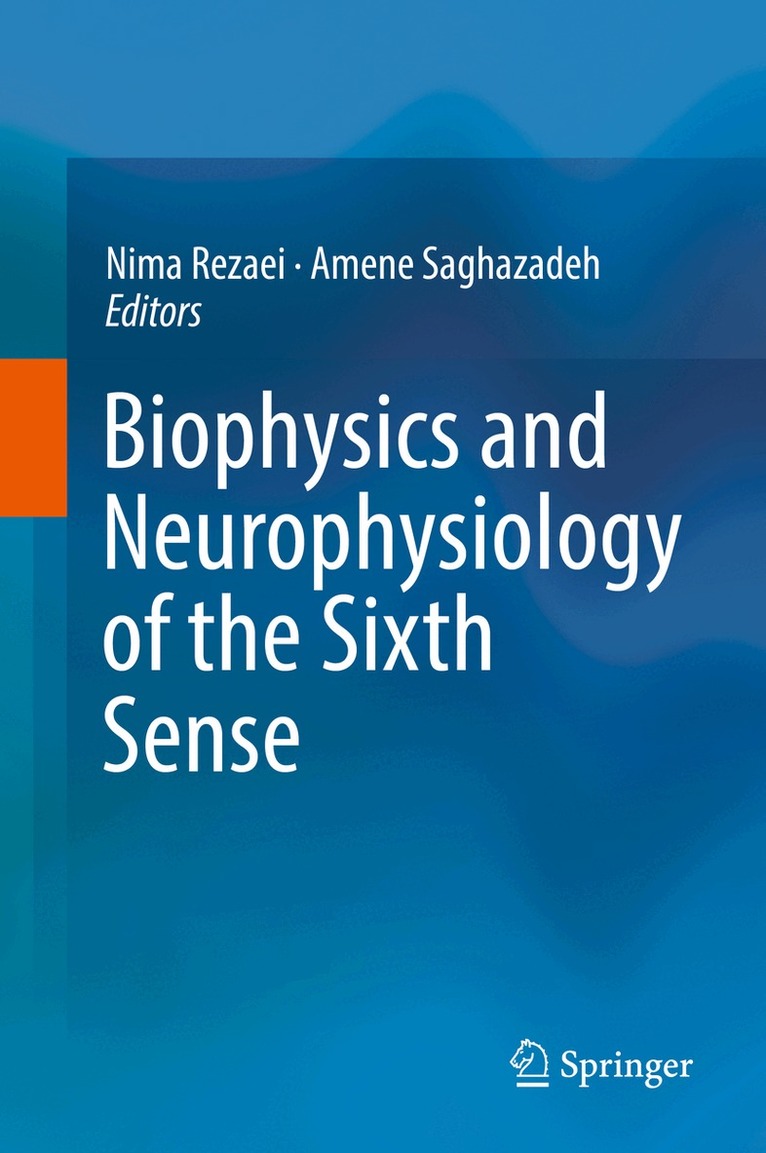
Biophysics and Neurophysiology of the Sixth Sense
Av Nima Rezaei, Amene Saghazadeh
Inbunden, 2019
628 kr
Lägg i varukorg
Multiple senses, like multiple intelligences, are a key to brain variability and therefore human evolution. Besides the traditional five senses (vision, olfaction, gustation, audition, and somatosensory), humans can also perceive the body’s own position (the sense of proprioception) and movement …
Biophysics and Neurophysiology of the Sixth Sense
Av Amene Saghazadeh, Nima Rezaei
E-bok, 2019
815 kr
Lägg i varukorg
Multiple senses, like multiple intelligences, are a key to brain variability and therefore human evolution. Besides the traditional five senses (vision, olfaction, gustation, audition, and somatosensory), humans can also perceive the body’s own position (the sense of proprioception) and movement …
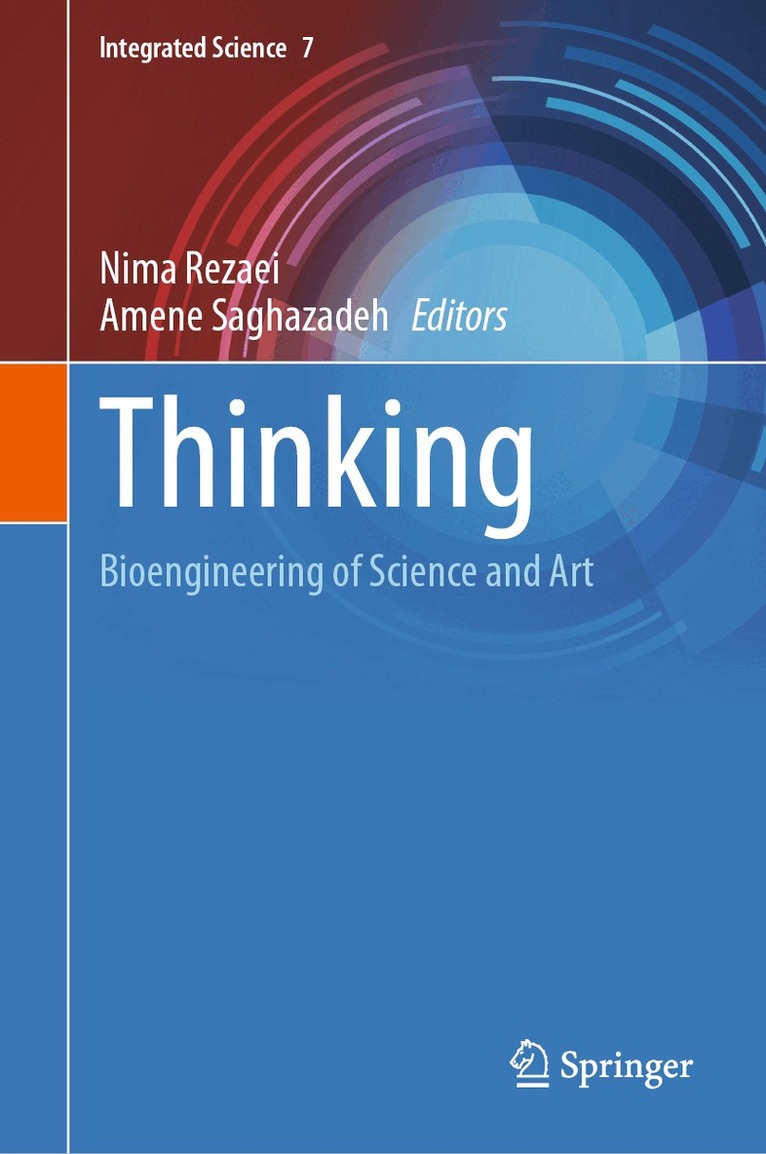
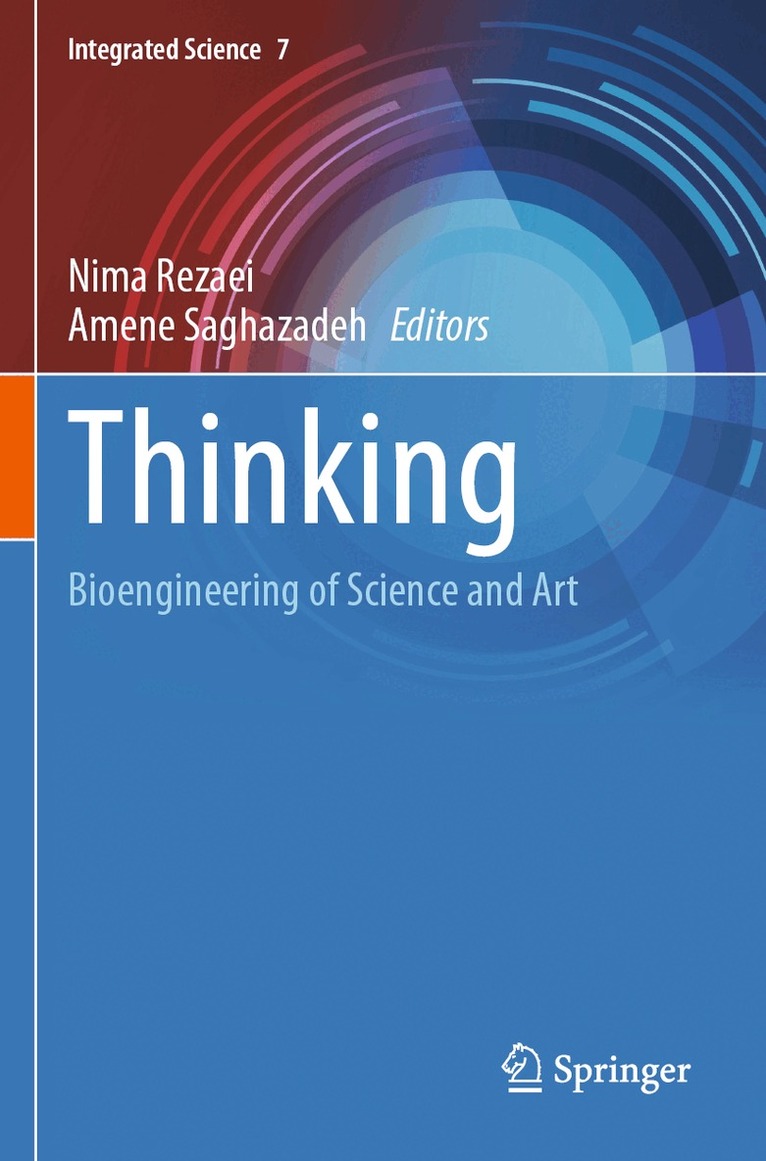
Thinking
Bioengineering of Science and Art
Av Nima Rezaei, Amene Saghazadeh
Inbunden, 2022
1650 kr
Lägg i varukorg
The “THINKING: Bioengineering of Science and Art” is to discuss about philosophical aspects of thinking at the context of Science and Art. External representations provide evidence that the fundamental process of thinking exists in both animal subjects and humans. However, the diversity and …
Thinking
Bioengineering of Science and Art
Av Amene Saghazadeh, Nima Rezaei
E-bok, 2022
2127 kr
Lägg i varukorg
The “ THINKING: Bioengineering of Science and Art ” is to discuss about philosophical aspects of thinking at the context of Science and Art. External representations provide evidence that the fundamental process of thinking exists in both animal subjects and humans. However, the diversity and …
Thinking
Bioengineering of Science and Art
Av Nima Rezaei, Amene Saghazadeh
Häftad, 2023
1650 kr
Lägg i varukorg
The “THINKING: Bioengineering of Science and Art” is to discuss about philosophical aspects of thinking at the context of Science and Art. External representations provide evidence that the fundamental process of thinking exists in both animal subjects and humans. However, the diversity and …