Amir Idris – författare
Visar alla böcker från författaren Amir Idris. Handla med fri frakt och snabb leverans.
6 produkter
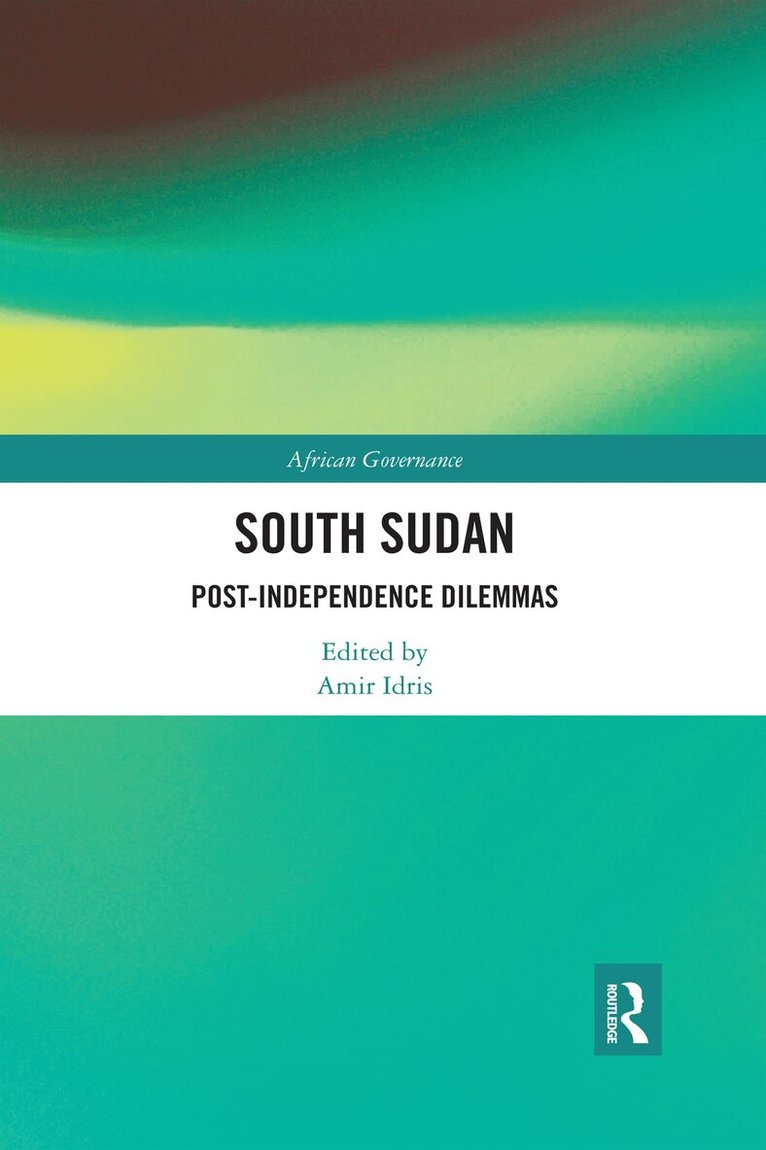
South Sudan
Post-Independence Dilemmas
Av Amir Idris
Häftad, 2020
689 kr
Lägg i varukorg
South Sudan: Post-Independence Dilemmas is an interdisciplinary collection of essays which engages with the failure of the newest African State to transition itself successfully to a state and nation after its independence in July 2011.The contributors explore the prospects for new modes of …
South Sudan
Post-Independence Dilemmas
Av Amir Idris
Inbunden, 2018
2519 kr
Lägg i varukorg
South Sudan: Post-Independence Dilemmas is an interdisciplinary collection of essays which engages with the failure of the newest African State to transition itself successfully to a state and nation after its independence in July 2011.The contributors explore the prospects for new modes of …
South Sudan
Post-Independence Dilemmas
Av Amir Idris
E-bok, 2018
669 kr
Lägg i varukorg
South Sudan: Post-Independence Dilemmas is an interdisciplinary collection of essays which engages with the failure of the newest African State to transition itself successfully to a state and nation after its independence in July 2011. The contributors explore the prospects for new modes of …
South Sudan
Post-Independence Dilemmas
Av Amir Idris
E-bok, 2018
669 kr
Lägg i varukorg
South Sudan: Post-Independence Dilemmas is an interdisciplinary collection of essays which engages with the failure of the newest African State to transition itself successfully to a state and nation after its independence in July 2011. The contributors explore the prospects for new modes of …
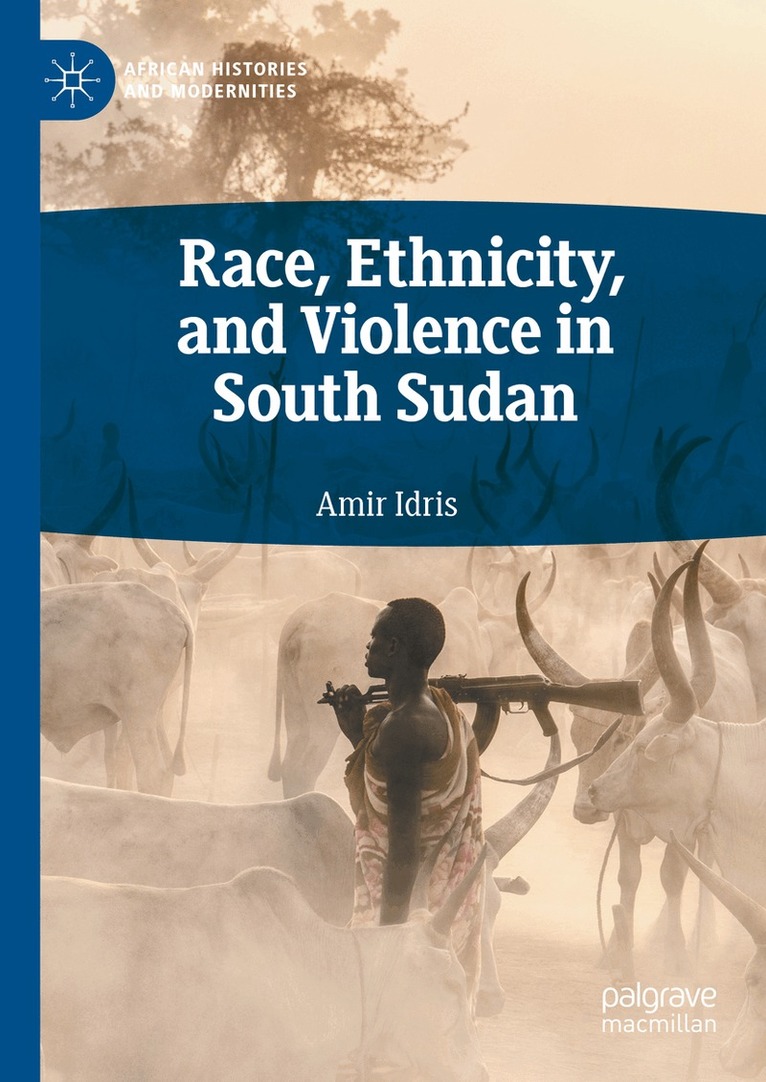
Race, Ethnicity, and Violence in South Sudan
Av Amir Idris
Inbunden, 2024
1507 kr
Lägg i varukorg
The purpose of this book is to understand how and why “liberators” of South Sudan have become perpetrators of ethnically driven violence. How and why did violence happen immediately after independence in South Sudan?South Sudan slid into civil war in December 2013, just two years after winning its …
Race, Ethnicity, and Violence in South Sudan
Av Amir Idris
E-bok, 2024
1785 kr
Lägg i varukorg
The purpose of this book is to understand how and why “liberators” of South Sudan have become perpetrators of ethnically driven violence. How and why did violence happen immediately after independence in South Sudan? South Sudan slid into civil war in December 2013, just two years after winning its …