Amitava Bhattacharya – författare
Visar alla böcker från författaren Amitava Bhattacharya. Handla med fri frakt och snabb leverans.
6 produkter
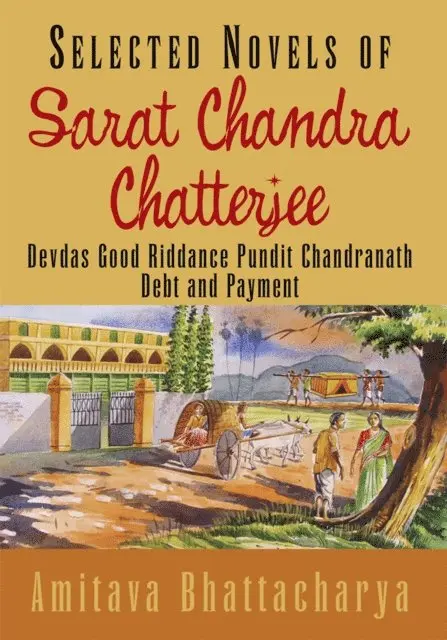
Selected Novels of Sarat Chandra Chatterjee
Devdas Good Riddance Pundit Chandranath Debt and Payment
E-bok, 2006
134 kr
Lägg i varukorg
This book presents unabridged translation of five of the many captivating novels of the legendary writer Sarat Chandra Chatterjee of India, who wrote in Bengali language in the first quarter of the twentieth century. Devdas: The young boy Devdas has an ardent follower, a little girl Parvati, who is …
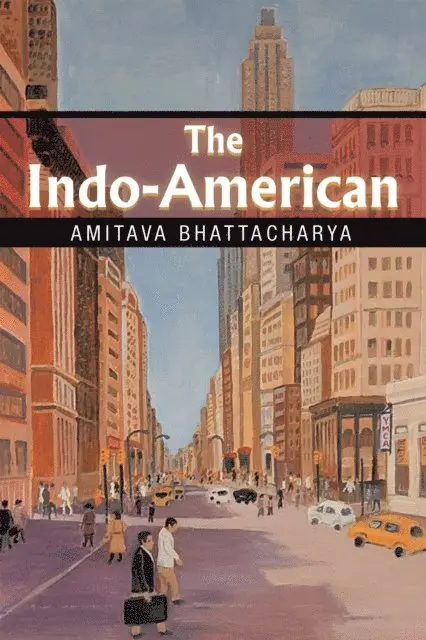
Indo-American
E-bok, 2015
59 kr
Lägg i varukorg
Sunil Roy is a young Indian engineer who emigrates from India to USA in 1970 among the early batches of Indian professionals arriving in the country. The book narrates his experiences of his early life of thirty years in India and his initial struggles to survive in the new country. The book also …
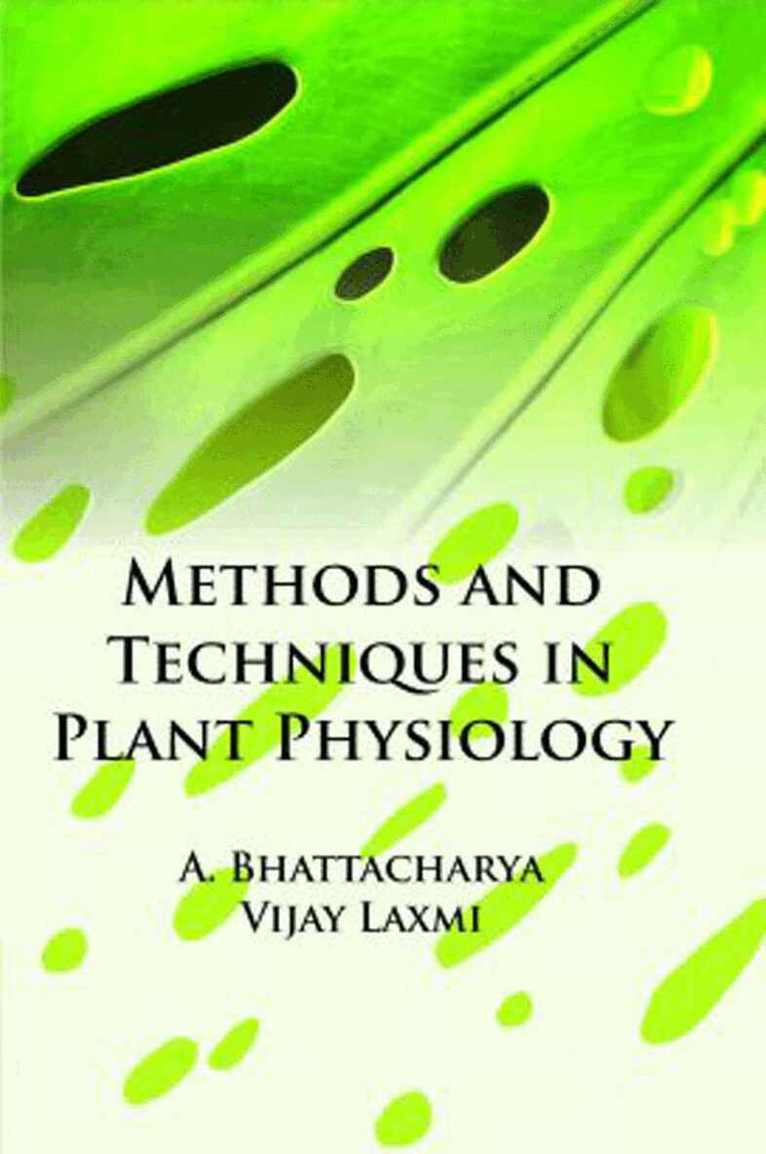
Methods and Techniques in Plant Physiology
Av Amitava Bhattacharya, Vijay Laxmi
Häftad, 2015
468 kr
Lägg i varukorg
This text is of great significance and interest to plant physiologists, agronomists, horticulturists, ecologists, and biochemists. The book, which presents comprehensive methods for various plant processes, is designed to meet the needs of students, teachers, and researchers alike. The book covers …
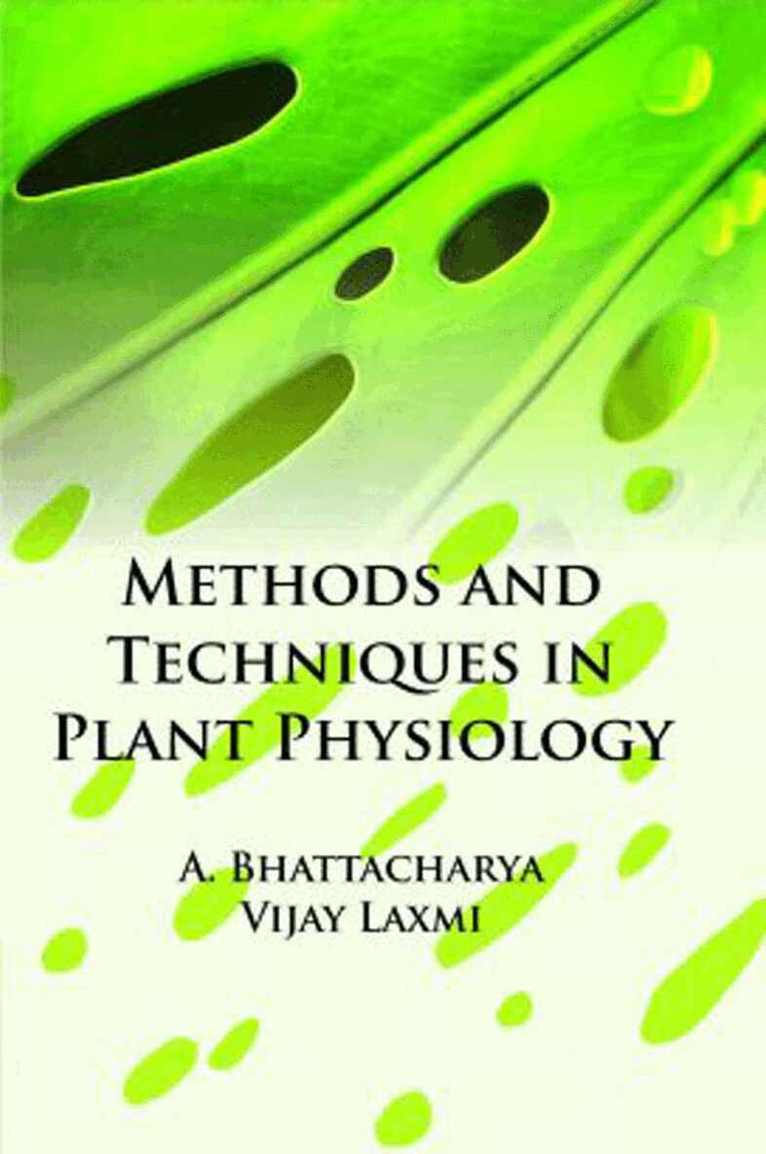
Methods and Techniques in Plant Physiology
Av Amitava Bhattacharya, Vijay Laxmi
Inbunden, 2015
929 kr
Lägg i varukorg
The study of plant physiology is of great importance to a range of professionals, including plant physiologists, agronomists, horticulturists, ecologists, and biochemists. This book aims to provide a comprehensive overview of the various techniques used to study plant processes. It covers topics …