Amrita Ghosh - Böcker
Visar alla böcker från författaren Amrita Ghosh. Handla med fri frakt och snabb leverans.
3 produkter
3 produkter
204 kr
Skickas inom 5-8 vardagar
1 036 kr
Skickas inom 10-15 vardagar
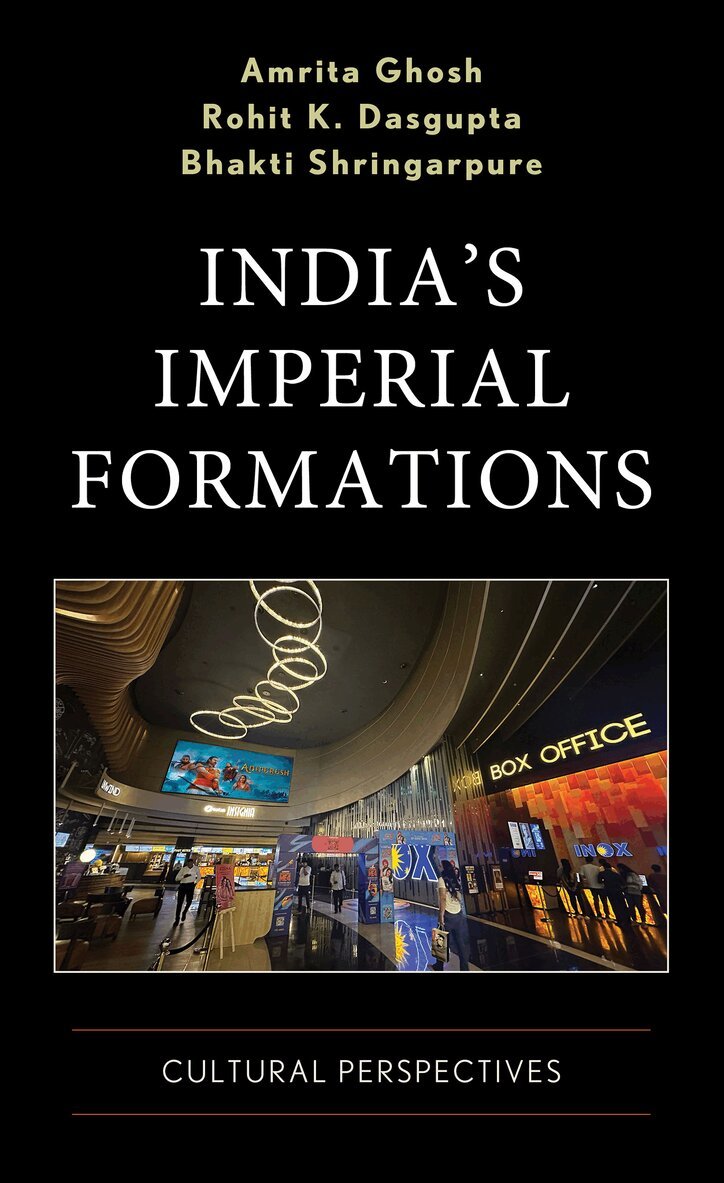
India's Imperial Formations explores the ways in which empire building occurs and consolidates through the Indian and diasporic cultural landscape, where a collusion with whiteness, Hindu fundamentalism, casteism, and religious and racial bigotry are rampant, and create hegemonic imaginaries of an India that denies a democratic space of multiple Indias to coexist together. India is not only home to the world’s largest film industry but also has one of the oldest media ecosystems today with a prolific output in television, radio, print, and digital media. These systems shape hearts and minds in the large nation and also have significant impact in the region as well as in the world due to India’s vast diaspora population. This book argues that Indian culture industries are a crucial site to investigate constructions of Islamophobia, casteism, sinophobia, sexism, colorism and anti-Blackness. Within this work, the authors highlight the urgent need to evaluate the complicity of Indian and diasporic cultural production in perpetuating a casual and sometimes even aggressive normalization of bigotry and discrimination towards minoritized communities. This polemical book is written by three scholars of culture, gender and postcolonial studies providing an accessible yet rigorous study of these issues.
1 160 kr
Skickas inom 10-15 vardagar
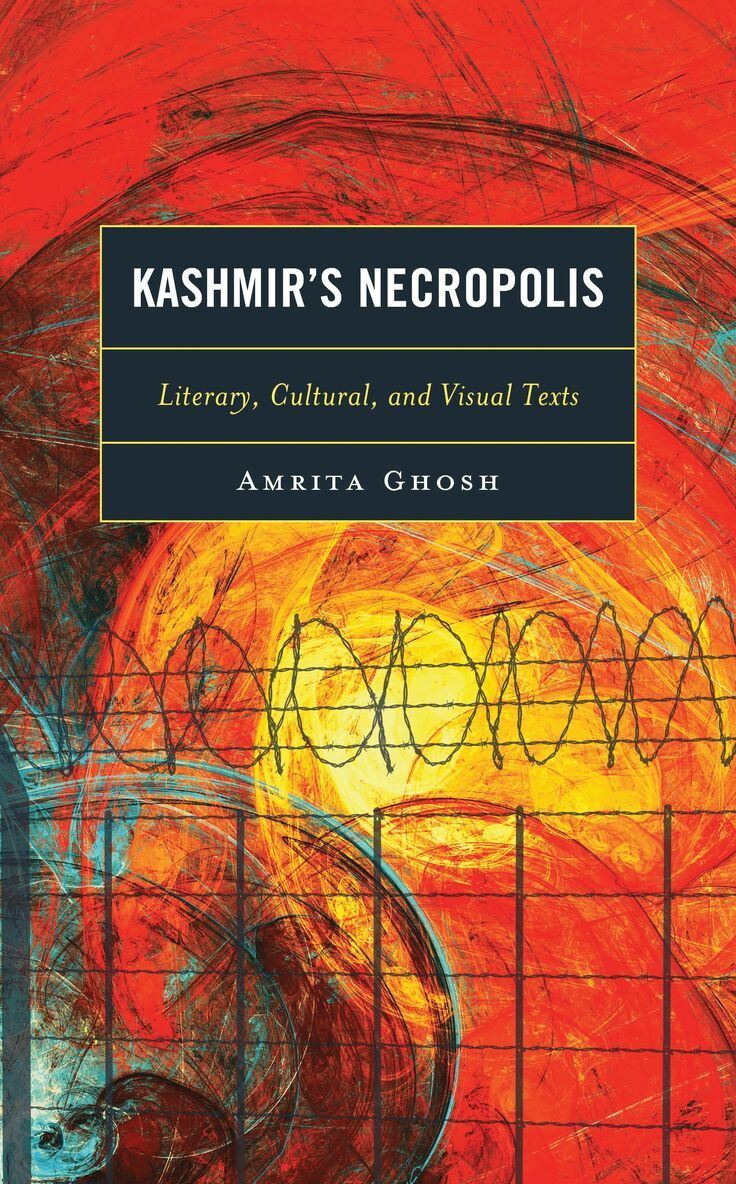
Kashmir's Necropolis: New Literatures and Visual Texts is an interdisciplinary book that studies literary texts, film, photography, and art to understand the different forms of violence represented in the cultural productions from and on Kashmir. The author argues that selected texts present how the long conflict in the postcolonial nation-state transforms the Kashmiri body, the space, setting, the relationship between the subject and its natural world under different forms of violence. Each chapter showcases a form of representational and textual violence that emphasizes the shifts from biopolitical to necropolitical violence and also includes specific forms of violence such as epicolonialism, horrorism, and hauntings in Kashmir’s landscape. The book also delves into how the concepts of agency, resistance, and resilience in these different texts necessitate new poetics of looking at Kashmir. The conflicted space of Kashmir has always been located within the politics of representation and this book investigates a problem in taxonomy within postcolonial discourses to articulate unique forms of violence in such a conflicted space.