Amy Whitaker – författare
Visar alla böcker från författaren Amy Whitaker. Handla med fri frakt och snabb leverans.
7 produkter
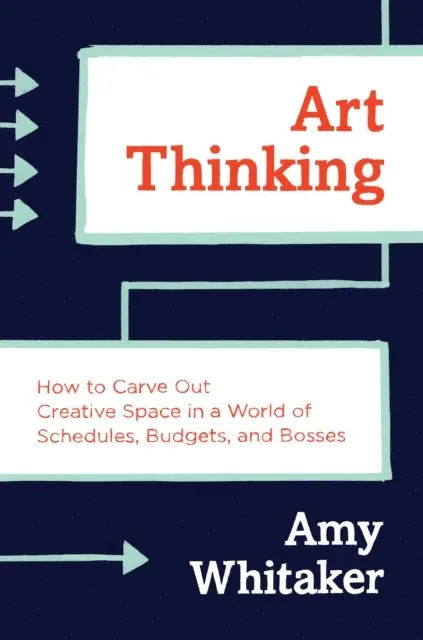
Art Thinking
How to Carve Out Creative Space in a World of Schedules, Budgets, and Bosses
Av Amy Whitaker
E-bok, 2016
159 kr
Lägg i varukorg
An indispensable and inspiring guide to creativity in the workplace and beyond, drawing on art, psychology, science, sports, law, business, and technology to help you land big ideas in the practical world.Anyone from CEO to freelancer knows how hard it is to think big, let alone follow up, while …
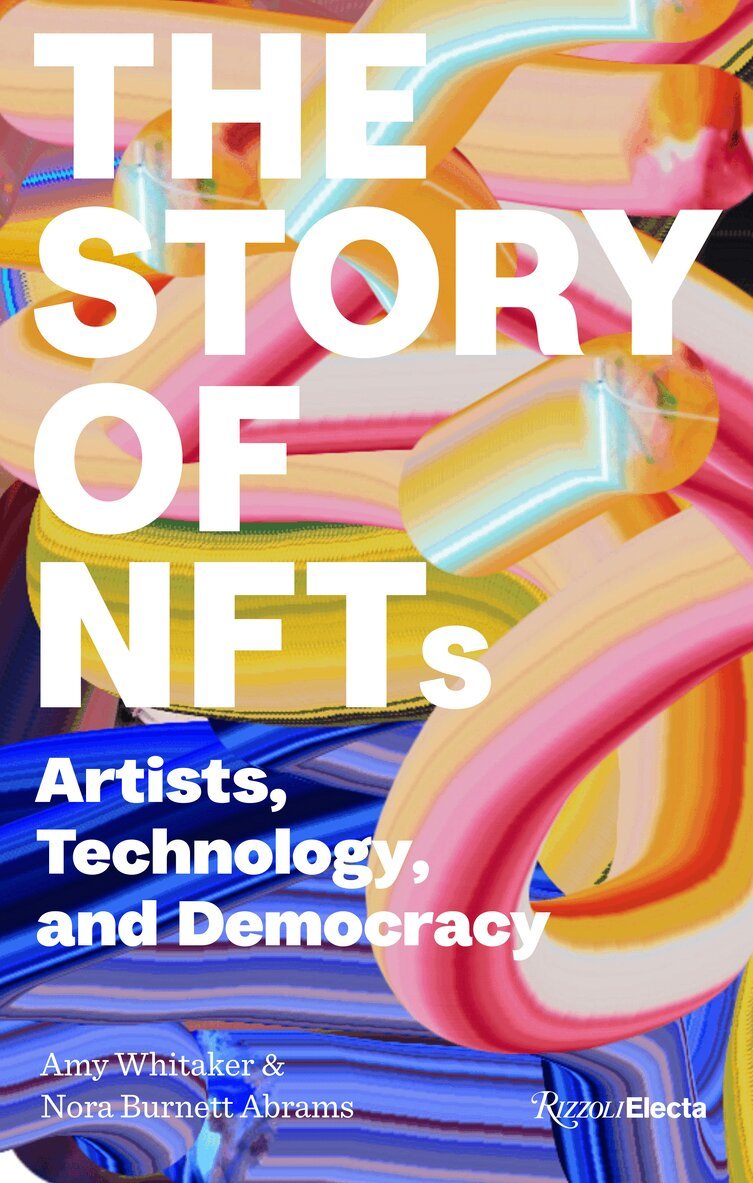
Art and NFTs
The Essential Primer
Av Amy Whitaker, Nora Burnett Abrams
Inbunden, 2023
270 kr
Lägg i varukorg
NFTs, or non-fungible tokens, exploded into the art space last year, no doubt because Beeple (a digital artist) sold his NFT at Christie’s auction house for a staggering $69 million. Yet the story of NFTs is much more interesting, significant, and subtle than that sale. This book explains NFTs in …
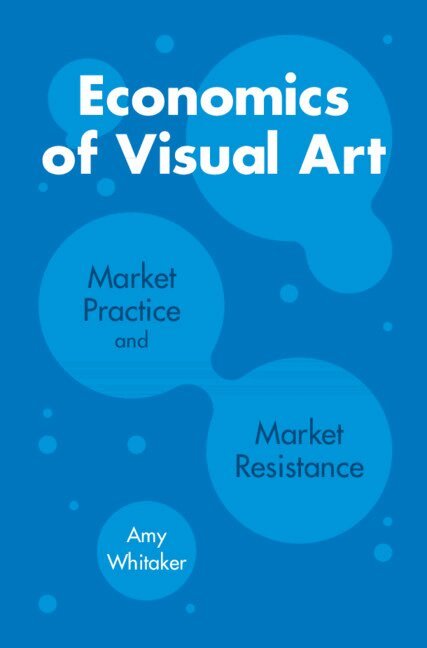
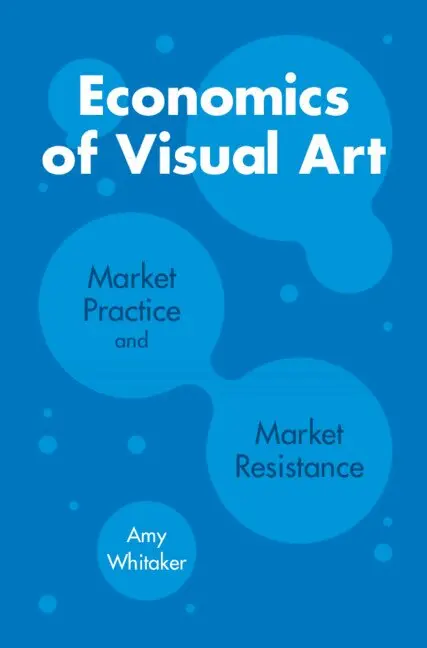
Economics of Visual Art
Market Practice and Market Resistance
Av Amy Whitaker
Inbunden, 2021
1106 kr
Lägg i varukorg
How can arts managers, artists, and art market observers approach the study of economics? Accompanied by hand-drawn illustrations, wide-ranging case studies, and expansive discussion resources, this interdisciplinary microeconomics primer engages with complex - and, at turns, political - questions …
Economics of Visual Art
Market Practice and Market Resistance
Av Amy Whitaker
E-bok, 2021
571 kr
Lägg i varukorg
How can arts managers, artists, and art market observers approach the study of economics? Accompanied by hand-drawn illustrations, wide-ranging case studies, and expansive discussion resources, this interdisciplinary microeconomics primer engages with complex – and, at turns, political – questions …
Economics of Visual Art
Market Practice and Market Resistance
Av Amy Whitaker
Häftad, 2021
586 kr
Lägg i varukorg
How can arts managers, artists, and art market observers approach the study of economics? Accompanied by hand-drawn illustrations, wide-ranging case studies, and expansive discussion resources, this interdisciplinary microeconomics primer engages with complex - and, at turns, political - questions …
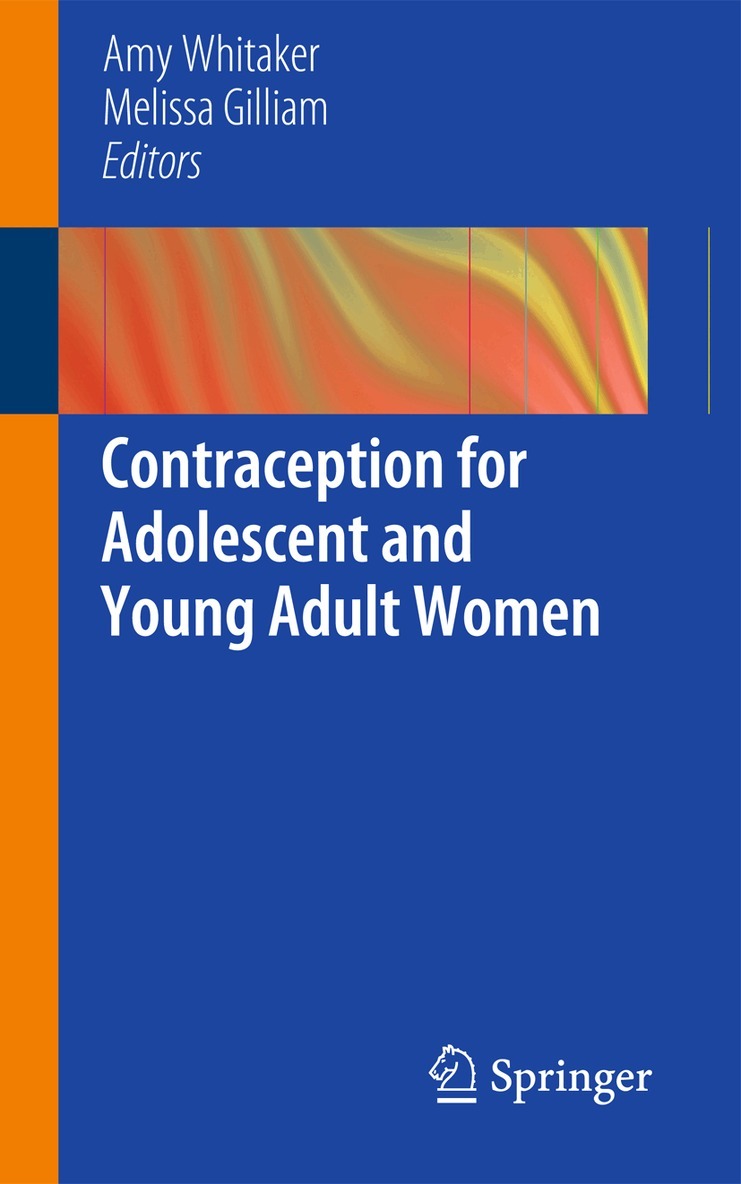
Contraception for Adolescent and Young Adult Women
Av Amy Whitaker, Melissa Gilliam
Häftad, 2014
1128 kr
Lägg i varukorg
Forty-five percent of adolescents ages 15-19 have had sexual intercourse. By age 19, 75% of all adolescents have had sexual intercourse. Most adolescents select condoms as their most reliable method of contraception. The United States continues to rank among the highest of all similarly developed …
Contraception for Adolescent and Young Adult Women
Av Melissa Gilliam, Amy Whitaker
E-bok, 2014
1502 kr
Lägg i varukorg
Forty-five percent of adolescents ages 15-19 have had sexual intercourse. By age 19, 75% of all adolescents have had sexual intercourse. Most adolescents select condoms as their most reliable method of contraception. The United States continues to rank among the highest of all similarly developed …