Anaheed Al-Hardan - Böcker
Visar alla böcker från författaren Anaheed Al-Hardan. Handla med fri frakt och snabb leverans.
4 produkter
4 produkter
2 191 kr
Skickas inom 3-6 vardagar
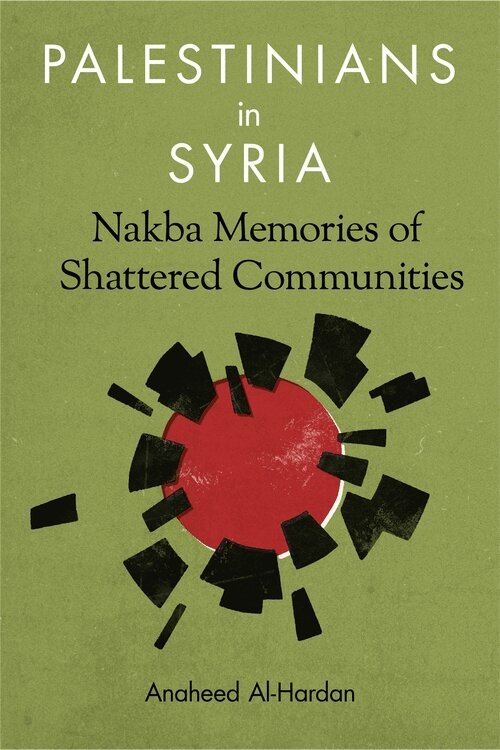
One hundred thousand Palestinians fled to Syria after being expelled from Palestine upon the establishment of the state of Israel in 1948. Integrating into Syrian society over time, their experience stands in stark contrast to the plight of Palestinian refugees in other Arab countries, leading to different ways through which to understand the 1948 Nakba, or catastrophe, in their popular memory. Conducting interviews with first-, second-, and third-generation members of Syria's Palestinian community, Anaheed Al-Hardan follows the evolution of the Nakba-the central signifier of the Palestinian refugee past and present-in Arab intellectual discourses, Syria's Palestinian politics, and the community's memorialization. Al-Hardan's sophisticated research sheds light on the enduring relevance of the Nakba among the communities it helped create, while challenging the nationalist and patriotic idea that memories of the Nakba are static and universally shared among Palestinians. Her study also critically tracks the Nakba's changing meaning in light of Syria's twenty-first-century civil war.
290 kr
Skickas inom 7-10 vardagar
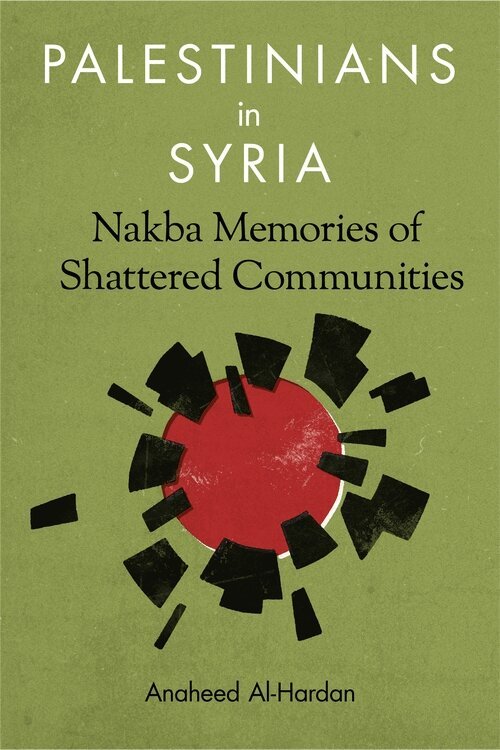
One hundred thousand Palestinians fled to Syria after being expelled from Palestine upon the establishment of the state of Israel in 1948. Integrating into Syrian society over time, their experience stands in stark contrast to the plight of Palestinian refugees in other Arab countries, leading to different ways through which to understand the 1948 Nakba, or catastrophe, in their popular memory. Conducting interviews with first-, second-, and third-generation members of Syria's Palestinian community, Anaheed Al-Hardan follows the evolution of the Nakba—the central signifier of the Palestinian refugee past and present—in Arab intellectual discourses, Syria's Palestinian politics, and the community's memorialization. Al-Hardan's sophisticated research sheds light on the enduring relevance of the Nakba among the communities it helped create, while challenging the nationalist and patriotic idea that memories of the Nakba are static and universally shared among Palestinians. Her study also critically tracks the Nakba's changing meaning in light of Syria's twenty-first-century civil war.
1 228 kr
Skickas inom 7-10 vardagar
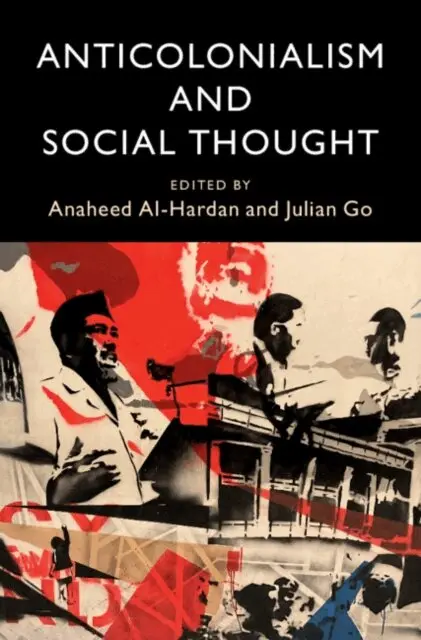
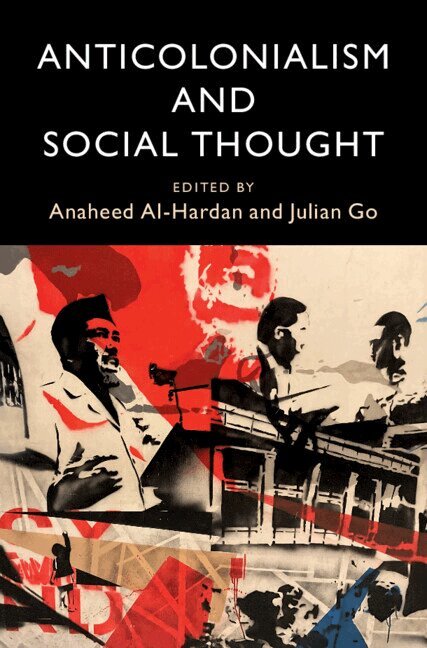
Not only did the anticolonial movements of the past two centuries help bring down the global order of colonial empires, they also produced novel, innovative and vital social thought. Anticolonialism has been largely ignored in conventional Europe-centered social thought and theory, but this book shows how our sociological imagination can be expanded by taking challenges to colonialism and imperialism seriously. Amidst their struggles to change the world, anticolonial actors offer devastating critiques of it, challenging the racism, economic exploitation, political exclusions and social inequalities central to imperialism and colonialism. Anticolonial thinkers and activists thereby seek to understand the world they are struggling against and, in the process, develop new concepts and theorize the world in new ways. Chapters by leading scholars help uncover this dissident tradition of social thought as the authors discuss an array of anticolonial thinkers, activists and movements from Palestine, India, South Africa, Brazil, Algeria and beyond.
428 kr
Skickas inom 7-10 vardagar
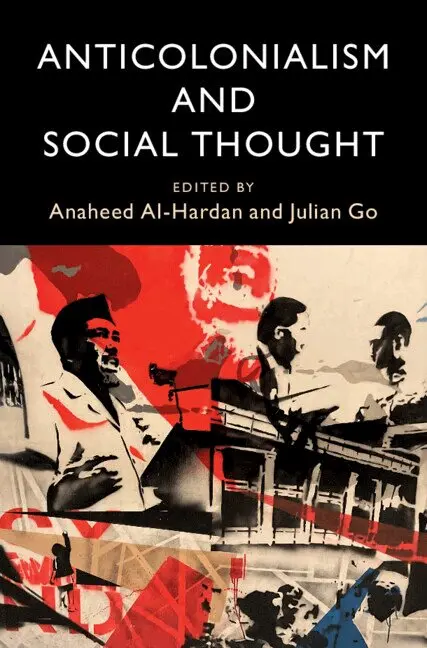
Not only did the anticolonial movements of the past two centuries help bring down the global order of colonial empires, they also produced novel, innovative and vital social thought. Anticolonialism has been largely ignored in conventional Europe-centered social thought and theory, but this book shows how our sociological imagination can be expanded by taking challenges to colonialism and imperialism seriously. Amidst their struggles to change the world, anticolonial actors offer devastating critiques of it, challenging the racism, economic exploitation, political exclusions and social inequalities central to imperialism and colonialism. Anticolonial thinkers and activists thereby seek to understand the world they are struggling against and, in the process, develop new concepts and theorize the world in new ways. Chapters by leading scholars help uncover this dissident tradition of social thought as the authors discuss an array of anticolonial thinkers, activists and movements from Palestine, India, South Africa, Brazil, Algeria and beyond.