Andra B. Chastain - Böcker
Visar alla böcker från författaren Andra B. Chastain. Handla med fri frakt och snabb leverans.
2 produkter
2 produkter
505 kr
Skickas inom 7-10 vardagar
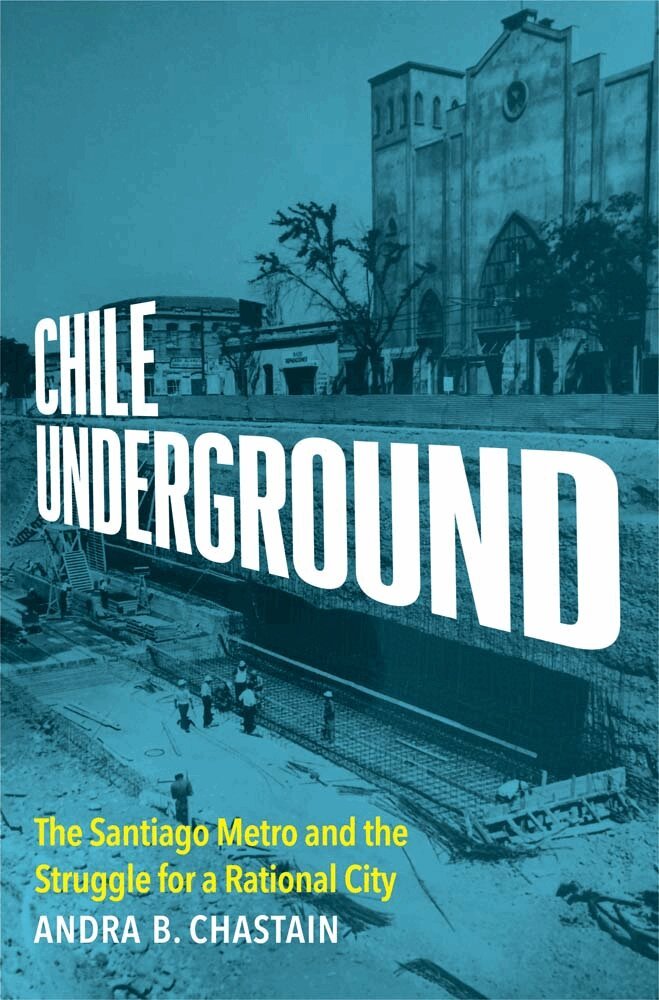
A fascinating historical examination of the Santiago Metro system as a microcosm of Chilean national identity during the twentieth century The Santiago Metro, the largest urban infrastructure project in Chile’s history, was designed in the 1960s in response to rapid urban growth. Despite the upheavals of Salvador Allende’s democratic socialism (1970–1973) and Augusto Pinochet’s military dictatorship (1973–1990), the project survived and is now the largest metro system in South America. What explains its success? How did its meaning shift under democracy and dictatorship? What does its history reveal about struggles for a more just city? Drawing on Chilean and French archives, Andra B. Chastain demonstrates that Chilean-French relations and French financing were crucial to the project’s survival during the Cold War. The Metro’s history also illuminates the contested process of implementing neoliberalism and the unexpected continuities of state planning and visions for a rational city that persisted despite free-market reforms. Most important, this story shows that the Metro came to symbolize the nation and became a critical site where planners, workers, and urban residents contested Chile’s path to modernity.
Itineraries of Expertise
Science, Technology, and the Environment in Latin America's Long Cold War
Häftad, Engelska, 2020
516 kr
Skickas inom 7-10 vardagar
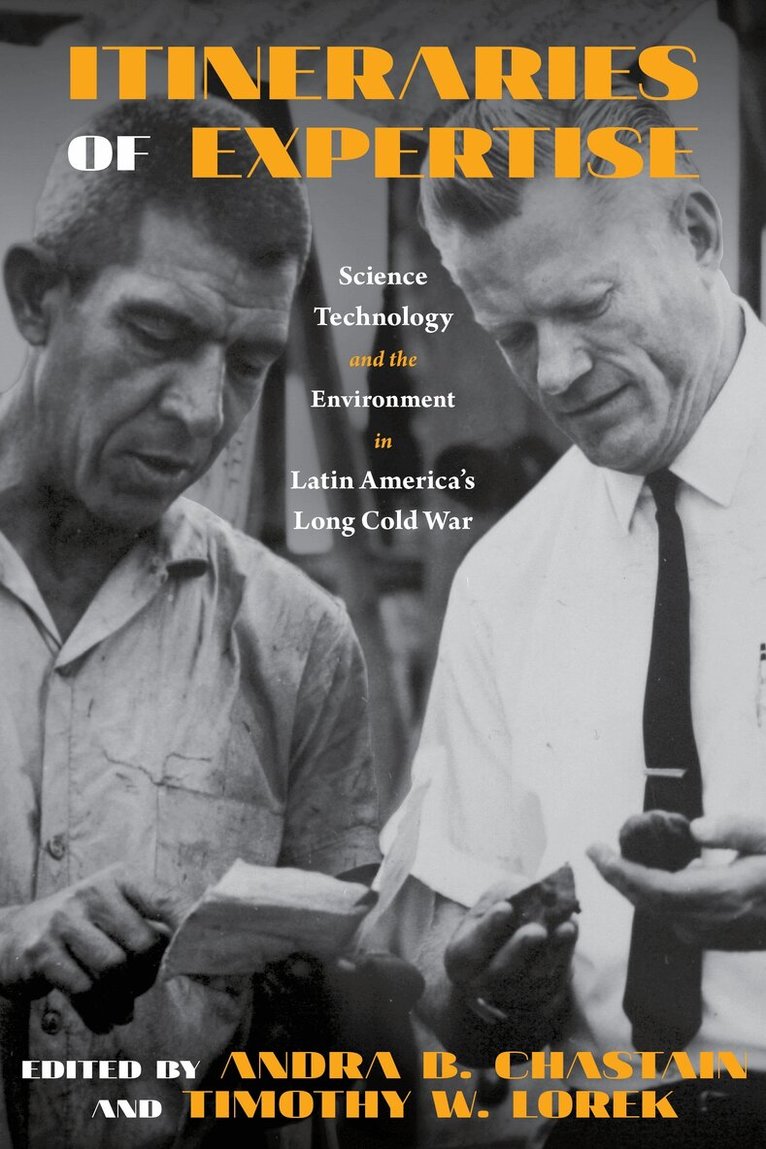
Itineraries of Expertise contends that experts and expertise played fundamental roles in the Latin American Cold War. While traditional Cold War histories of the region have examined diplomatic, intelligence, and military operations and more recent studies have probed the cultural dimensions of the conflict, the experts who constitute the focus of this volume escaped these categories. Although they often portrayed themselves as removed from politics, their work contributed to the key geopolitical agendas of the day. The paths traveled by the experts in this volume not only traversed Latin America and connected Latin America to the Global North, they also stretch traditional chronologies of the Latin American Cold War to show how local experts in the early twentieth century laid the foundation for post–World War II development projects, and how Cold War knowledge of science, technology, and the environment continues to impact our world today. These essays unite environmental history and the history of science and technology to argue for the importance of expertise in the Latin American Cold War.