András Körösényi - Böcker
Visar alla böcker från författaren András Körösényi. Handla med fri frakt och snabb leverans.
5 produkter
5 produkter
2 103 kr
Skickas inom 10-15 vardagar
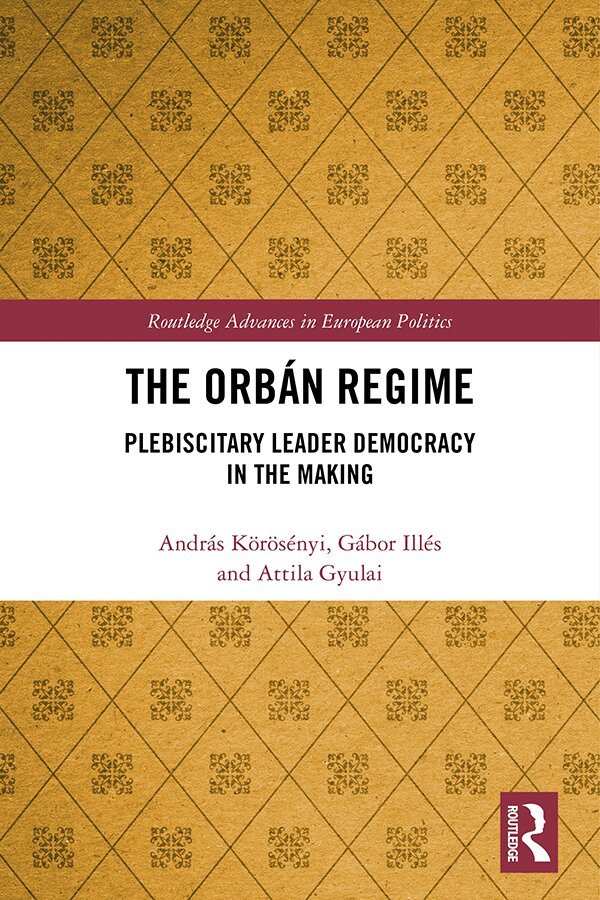
This book gives the first comprehensive and theoretically substantiated political science account of the Orbán regime in English. It argues that Viktor Orbán’s regime-building and reconstructive leadership is more than just an example of hybridisation, a successful populist appeal or a backlash against the earlier neoliberal hegemony in Central Europe. It unfolds the major traits of the Orbán regime and argues that it provides a paradigmatic case of the Weberian model of plebiscitary leader democracy (PLD). Beyond explaining the backslide of liberal democracy in Hungary, the book aims at two additional contributions of wider significance. First, by applying the concept of PLD to the Hungarian case, it reveals that the authoritarian elements are products of an endogenous drive of modern mass democracy. Second, through the glass of PLD, the Orbán regime can be seen as an experimental lab of global trends like mediatisation and personalisation of politics, populist style, the deconsolidation of liberal democratic order, and what is often labelled as "post-truth politics". This book will be of key interest both to scholars and students of Hungary, Post-communist and Central and East European politics and to those interested in populism, democratisation and democratic deconsolidation as a broader trend in a variety of countries.
1 099 kr
Skickas inom 5-8 vardagar
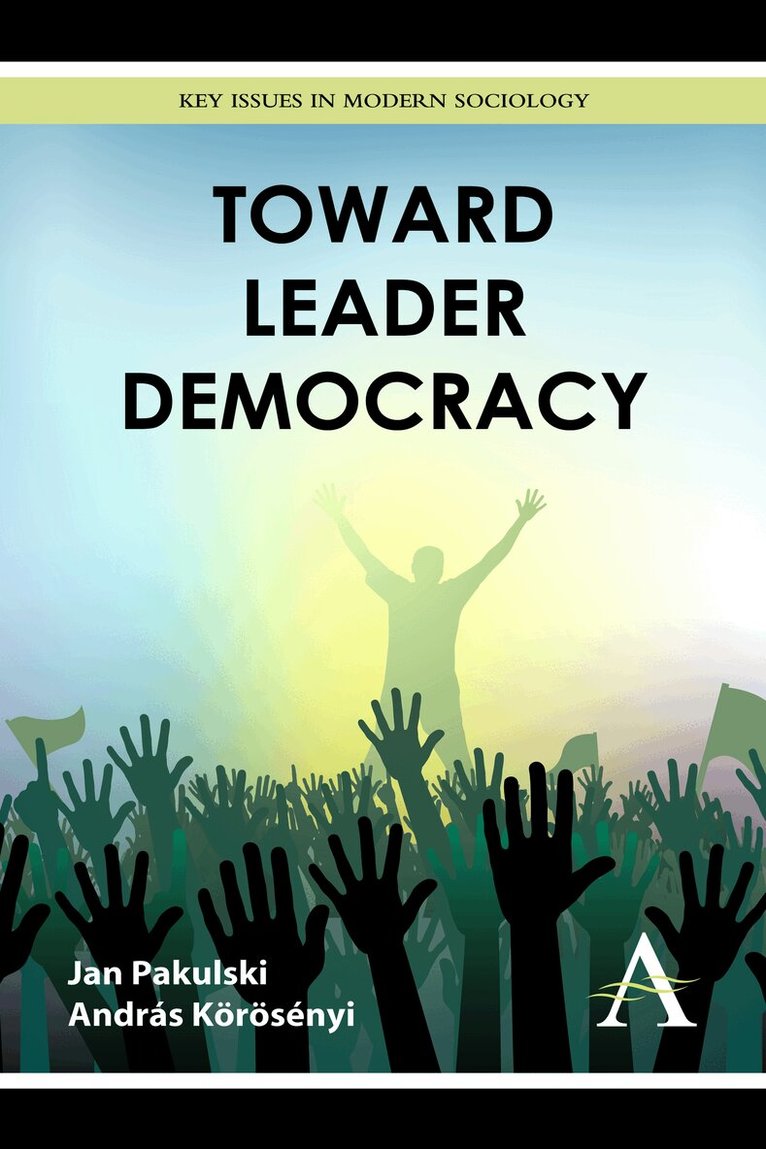
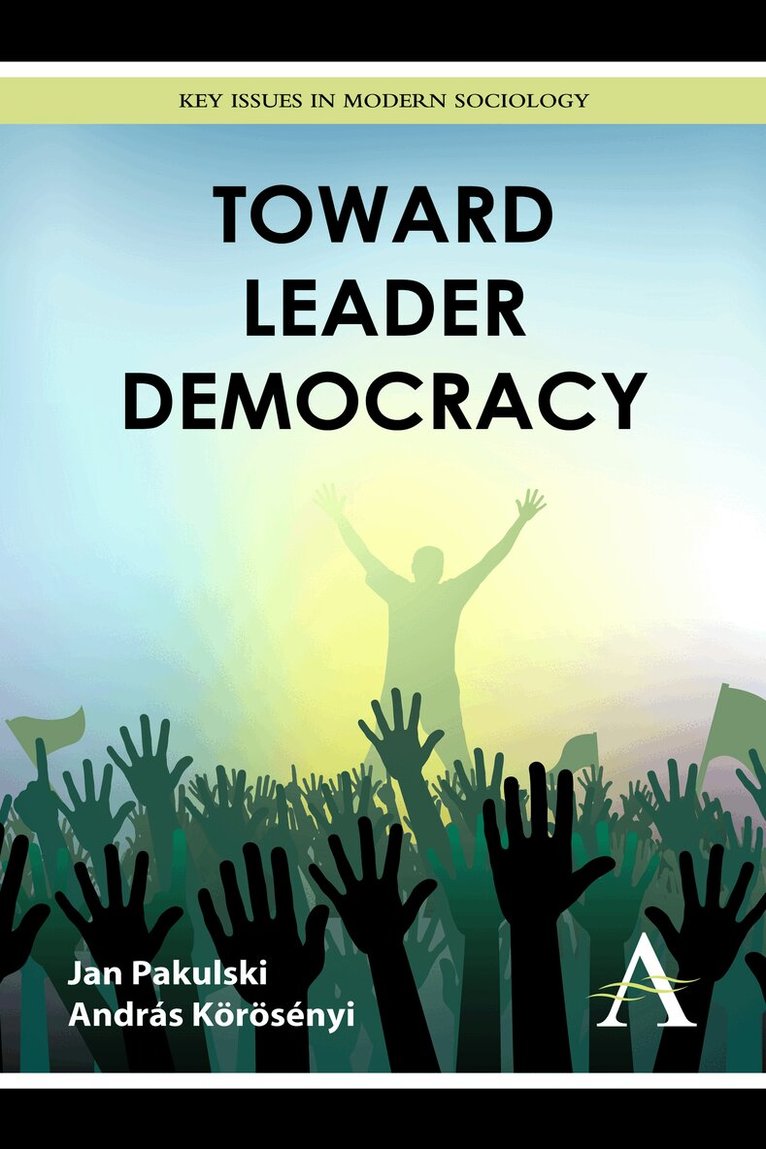
In today’s liberal democracies, does the political process focus on the people, or on the political leaders representing them? Building upon the ideas of Joseph Schumpeter and Max Weber, ‘Toward Leader Democracy’ argues that we are currently seeing a movement toward an increasingly pronounced focus on political leaders – ‘leader democracy’. This form of democracy is fashioned by the political will, determination and commitment of top politicians, and is exercised through elite persuasion that actively shapes the preferences of voters so as to give meaning to political processes. As the text reveals, this marks a definite evolution within the world’s ‘advanced democracies’: democratic representation is today realised increasingly through active political leadership, as opposed to the former practices of statistically ‘mirroring’ constituencies, or the deliberative self-adjustment of the executive to match citizen preferences.
575 kr
Skickas inom 10-15 vardagar
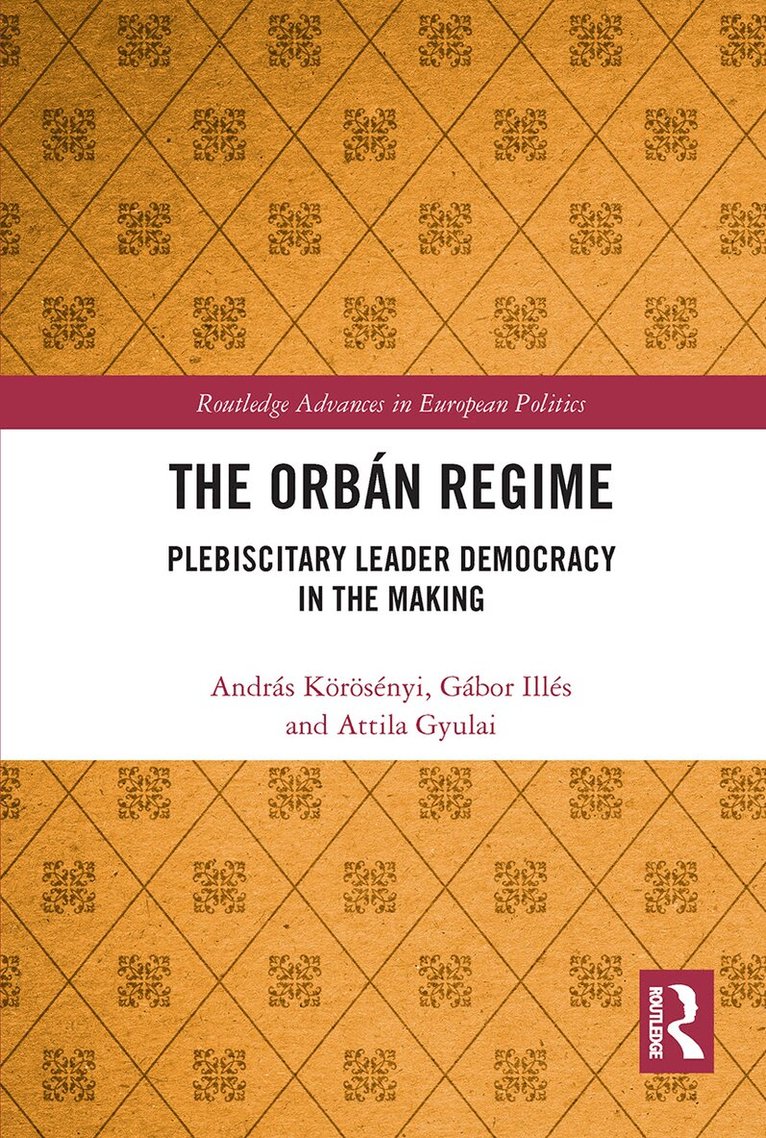
This book gives the first comprehensive and theoretically substantiated political science account of the Orbán regime in English. It argues that Viktor Orbán’s regime-building and reconstructive leadership is more than just an example of hybridisation, a successful populist appeal or a backlash against the earlier neoliberal hegemony in Central Europe. It unfolds the major traits of the Orbán regime and argues that it provides a paradigmatic case of the Weberian model of plebiscitary leader democracy (PLD). Beyond explaining the backslide of liberal democracy in Hungary, the book aims at two additional contributions of wider significance. First, by applying the concept of PLD to the Hungarian case, it reveals that the authoritarian elements are products of an endogenous drive of modern mass democracy. Second, through the glass of PLD, the Orbán regime can be seen as an experimental lab of global trends like mediatisation and personalisation of politics, populist style, the deconsolidation of liberal democratic order, and what is often labelled as "post-truth politics". This book will be of key interest both to scholars and students of Hungary, Post-communist and Central and East European politics and to those interested in populism, democratisation and democratic deconsolidation as a broader trend in a variety of countries.
1 619 kr
Skickas inom 10-15 vardagar
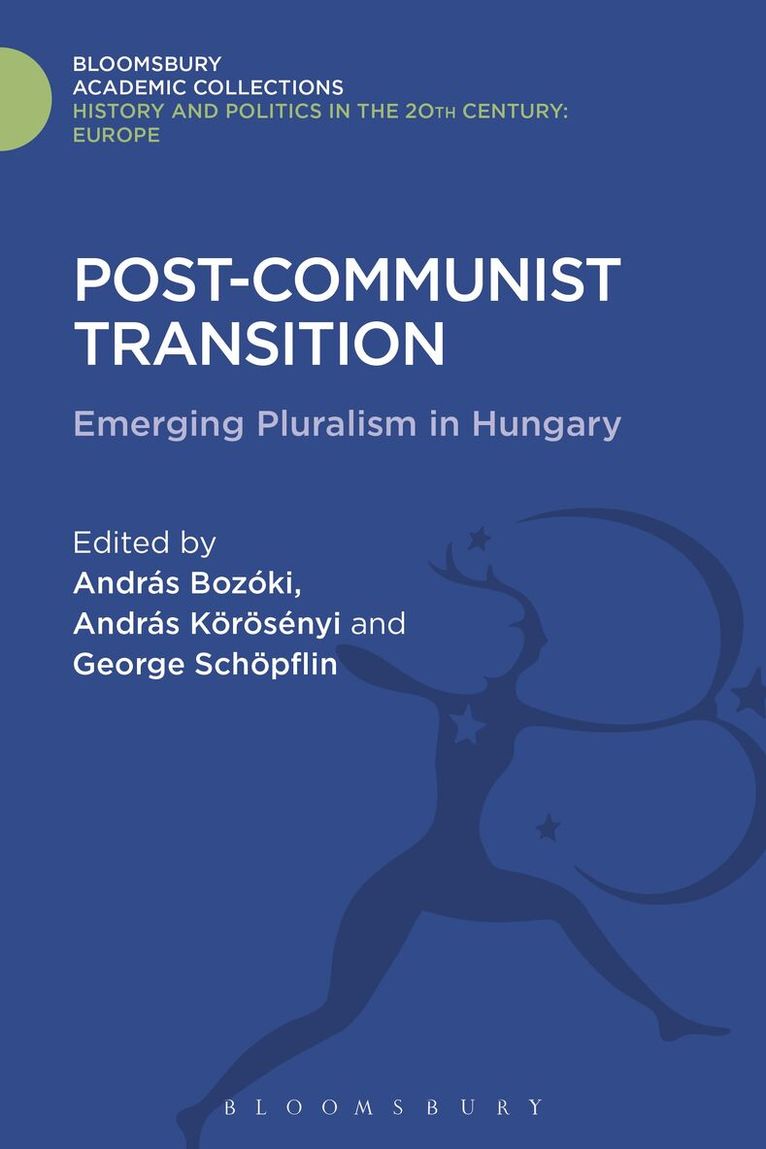
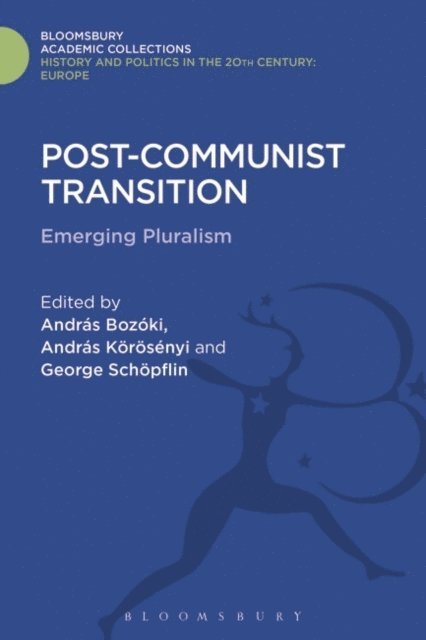
The transition from communist dictatorship to multi-party democracy has proved a long and painful process for the countries of Eastern Europe, and has met with varying degrees of success. In Hungary, the radical opposition was uniquely successful in fighting off attempts by the old-guard communist elite to hijack reform programmes, by forcing free elections and creating a multi-party system. This volume focuses on the Hungarian experience, analysing in detail the process of transition from dictatorship to pluralist democracy. Some of Hungary’s leading political scientists examine issues such as the legitimation crisis of communist rule, resulting struggles within the ruling elite and the forces behind transition. Constitutional reform, party formation and voting behaviour at the first free elections are also taken into account. The concluding section places the Hungarian experience in comparative perspective, within the context of other Central and Western European states.
402 kr
Skickas inom 5-8 vardagar
In today’s liberal democracies, does the political process focus on the people, or on the political leaders representing them? Building upon the ideas of Joseph Schumpeter and Max Weber, ‘Toward Leader Democracy’ argues that we are currently seeing a movement toward an increasingly pronounced focus on political leaders – ‘leader democracy’. This form of democracy is fashioned by the political will, determination and commitment of top politicians, and is exercised through elite persuasion that actively shapes the preferences of voters so as to give meaning to political processes. As the text reveals, this marks a definite evolution within the world’s ‘advanced democracies’: democratic representation is today realised increasingly through active political leadership, as opposed to the former practices of statistically ‘mirroring’ constituencies, or the deliberative self-adjustment of the executive to match citizen preferences.