André Beckershoff – författare
Visar alla böcker från författaren André Beckershoff. Handla med fri frakt och snabb leverans.
8 produkter
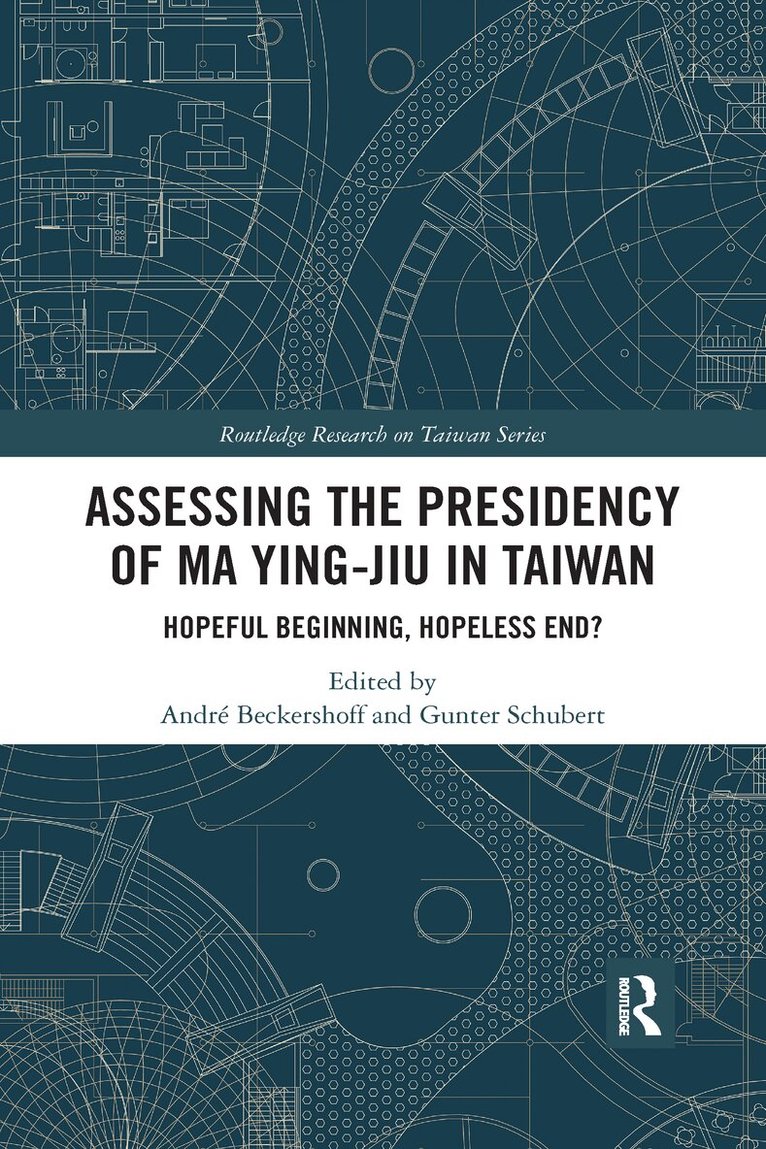
Assessing the Presidency of Ma Ying-jiu in Taiwan
Hopeful Beginning, Hopeless End?
Av André Beckershoff, Gunter Schubert
Häftad, 2020
718 kr
Lägg i varukorg
The years of the Ma Ying-jiu presidency in Taiwan were controversial from the beginning. When he came to power in 2008, Ma was considered the strongest and most popular KMT presidential candidate since Lee Teng-hui. However, his rapprochement towards China met with increasing resistance and by the …
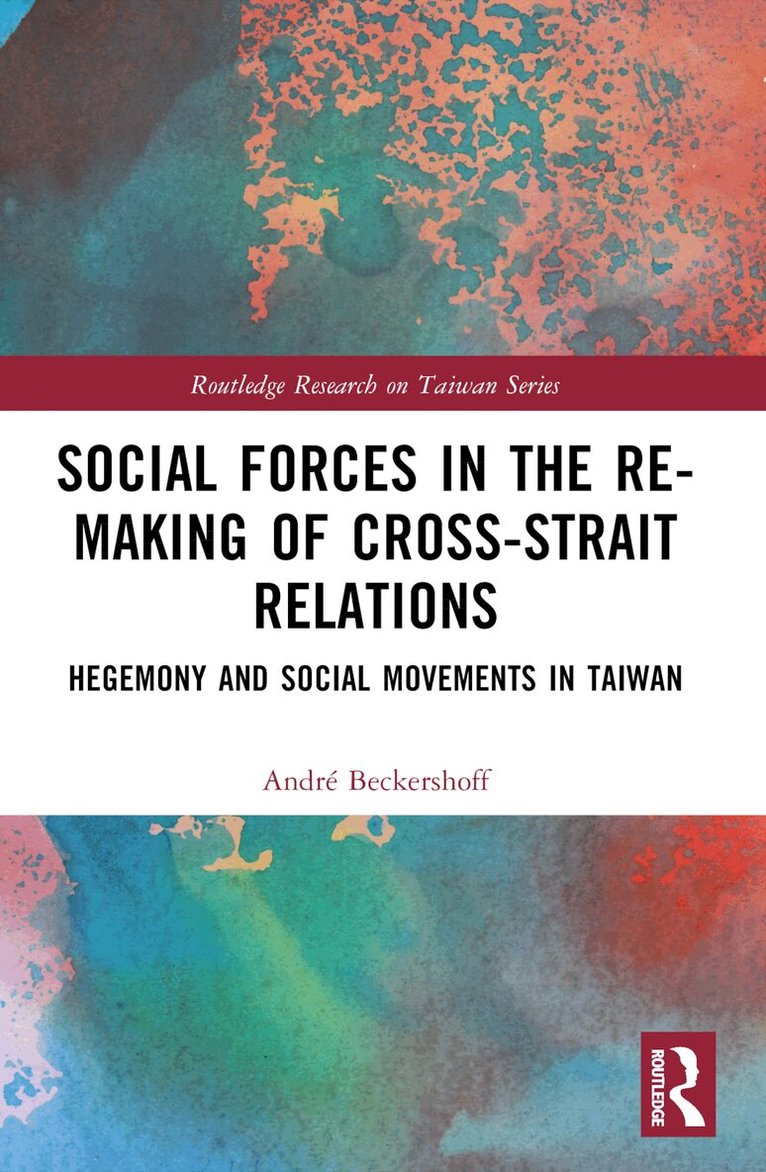
Social Forces in the Re-Making of Cross-Strait Relations
Hegemony and Social Movements in Taiwan
E-bok, 2023
762 kr
Lägg i varukorg
Adopting a critical political economy perspective this book sheds new light on the social and political struggles that shaped the political dynamics of Taiwan-China relations and cross-Strait rapprochement between 2008 and 2014. Presenting a careful analysis of primary sources and interviews, the …
Social Forces in the Re-Making of Cross-Strait Relations
Hegemony and Social Movements in Taiwan
E-bok, 2023
762 kr
Lägg i varukorg
Adopting a critical political economy perspective this book sheds new light on the social and political struggles that shaped the political dynamics of Taiwan-China relations and cross-Strait rapprochement between 2008 and 2014. Presenting a careful analysis of primary sources and interviews, the …
Social Forces in the Re-Making of Cross-Strait Relations
Hegemony and Social Movements in Taiwan
Inbunden, 2023
2504 kr
Lägg i varukorg
Adopting a critical political economy perspective this book sheds new light on the social and political struggles that shaped the political dynamics of Taiwan-China relations and cross-Strait rapprochement between 2008 and 2014.Presenting a careful analysis of primary sources and interviews, the …
Social Forces in the Re-Making of Cross-Strait Relations
Hegemony and Social Movements in Taiwan
Häftad, 2024
646 kr
Lägg i varukorg
Adopting a critical political economy perspective this book sheds new light on the social and political struggles that shaped the political dynamics of Taiwan-China relations and cross-Strait rapprochement between 2008 and 2014.Presenting a careful analysis of primary sources and interviews, the …
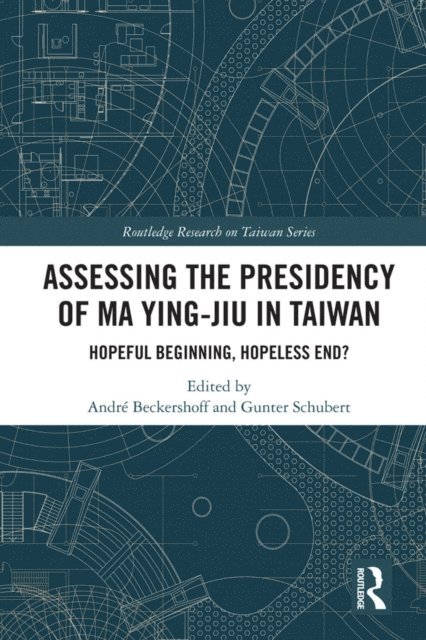
Assessing the Presidency of Ma Ying-jiu in Taiwan
Hopeful Beginning, Hopeless End?
Av André Beckershoff, Gunter Schubert
Inbunden, 2018
2504 kr
Lägg i varukorg
The years of the Ma Ying-jiu presidency in Taiwan were controversial from the beginning. When he came to power in 2008, Ma was considered the strongest and most popular KMT presidential candidate since Lee Teng-hui. However, his rapprochement towards China met with increasing resistance and by the …
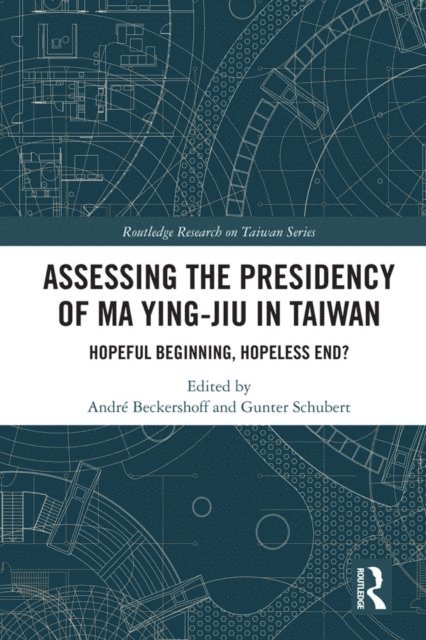
Assessing the Presidency of Ma Ying-jiu in Taiwan
Hopeful Beginning, Hopeless End?
Av Gunter Schubert, Andre Beckershoff
E-bok, 2018
849 kr
Lägg i varukorg
The years of the Ma Ying-jiu presidency in Taiwan were controversial from the beginning. When he came to power in 2008, Ma was considered the strongest and most popular KMT presidential candidate since Lee Teng-hui. However, his rapprochement towards China met with increasing resistance and by the …
Assessing the Presidency of Ma Ying-jiu in Taiwan
Hopeful Beginning, Hopeless End?
Av Gunter Schubert, Andre Beckershoff
E-bok, 2018
830 kr
Lägg i varukorg
The years of the Ma Ying-jiu presidency in Taiwan were controversial from the beginning. When he came to power in 2008, Ma was considered the strongest and most popular KMT presidential candidate since Lee Teng-hui. However, his rapprochement towards China met with increasing resistance and by the …