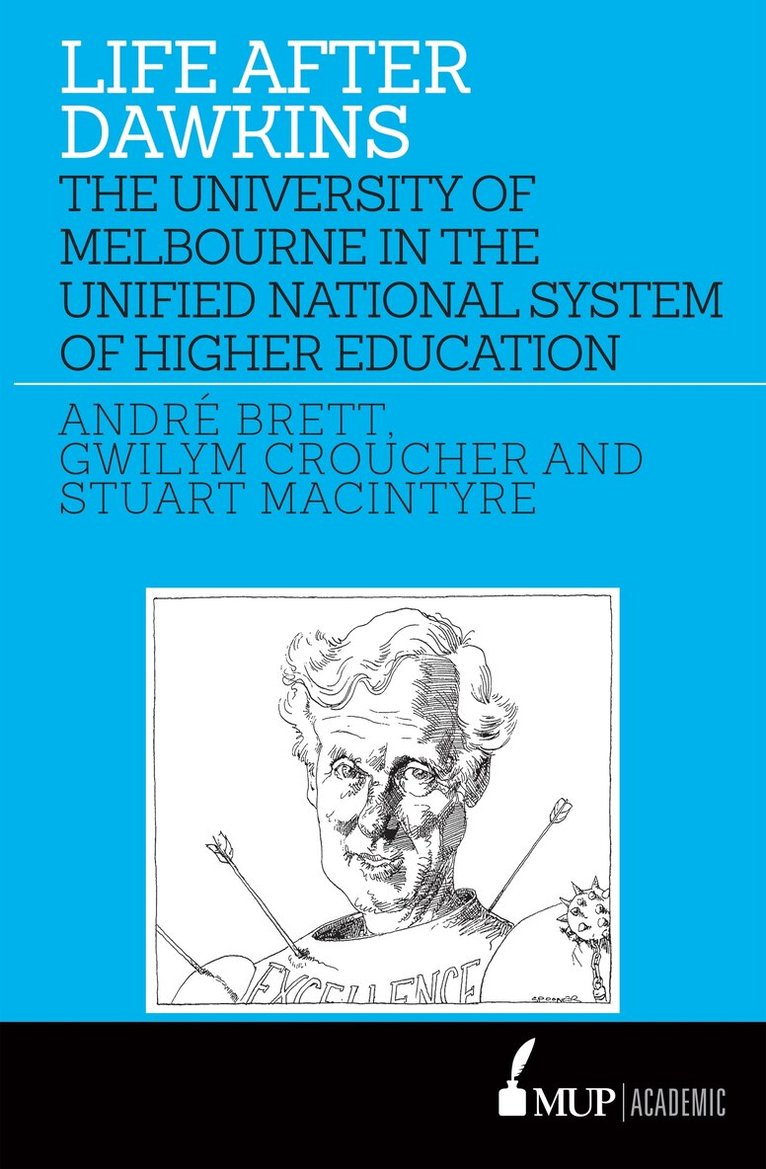
The reconstruction of higher education in Australia through the creation of the Unified National System of Higher Education at the end of the 1980s by John Dawkins is commonly seen as a watershed. It brought new ways of funding, directing and organising universities, expanding their size, reorienting their activities and setting in train a far-reaching transformation of the academic enterprise. This volume traces its impact on the balance between the University of Melbourne’s academic mission and external expectations, and how it adjusted to neutralise the impact of the change and restore the balance. At Melbourne, the Dawkins revolution changed little in the way it understood itself and conducted its affairs, but changed everything.
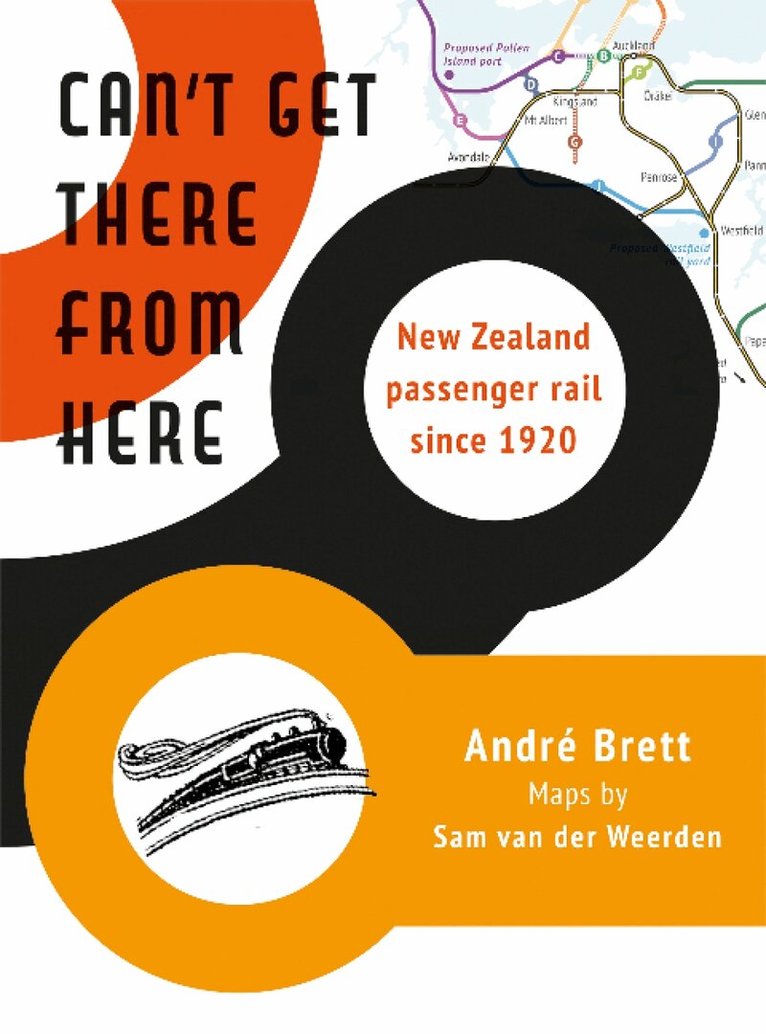
Urban passenger rail patronage in Auckland and Wellington is now booming after many years of decline. Outside these two centres, however, the situation is quite different: intercity and regional passenger rail services are scarce, and no other city possesses suburban rail. Not only does this hamper the mobility of regional New Zealanders, it is incongruous in light of the climate emergency declared by many local councils. Cant Get There from Here traces the expansion and more commonly the contraction of New Zealands passenger rail network over the last century. What is the historical context of todays imbalance between rail and road? How far and wide did the passenger rail network once run? Why is there an abject lack of services beyond the North Islands two main cities, even as demand for passenger transport continues to grow? This book seeks to answer these questions. In this fascinating study, Andre Brett argues that the trend away from passenger rail might appear inevitable and irreversible but it was not. Things could have been and still could be very different. We need to understand the challenges that brought passenger rail to the brink of extinction in order to create policy for future transport that is efficient and sustainable.
The reconstruction of higher education in Australia through the creation of the Unified National System of Higher Education at the end of the 1980s by John Dawkins is commonly seen as a watershed. It brought new ways of funding, directing and organising universities, expanding their size, reorienting their activities and setting in train a far-reaching transformation of the academic enterprise. This volume traces its impact on the balance between the University of Melbourne’s academic mission and external expectations, and how it adjusted to neutralise the impact of the change and restore the balance. At Melbourne, the Dawkins revolution changed little in the way it understood itself and conducted its affairs, but changed everything.
Urban passenger rail patronage in Auckland and Wellington is now booming after many years of decline. Outside these two centres, however, the situation is quite different: intercity and regional passenger rail services are scarce, and no other city possesses suburban rail. Not only does this hamper the mobility of regional New Zealanders, it is incongruous in light of the climate emergency declared by many local councils. Cant Get There from Here traces the expansion and more commonly the contraction of New Zealands passenger rail network over the last century. What is the historical context of todays imbalance between rail and road? How far and wide did the passenger rail network once run? Why is there an abject lack of services beyond the North Islands two main cities, even as demand for passenger transport continues to grow? This book seeks to answer these questions. In this fascinating study, Andre Brett argues that the trend away from passenger rail might appear inevitable and irreversible but it was not. Things could have been and still could be very different. We need to understand the challenges that brought passenger rail to the brink of extinction in order to create policy for future transport that is efficient and sustainable.