André van der Braak – författare
Visar alla böcker från författaren André van der Braak. Handla med fri frakt och snabb leverans.
7 produkter
Ayahuasca as Liquid Divinity
An Ontological Approach
Inbunden, 2023
1140 kr
Lägg i varukorg
Ayahuasca often yields transformative experiences that merge such familiar categories as the sacred and the secular, transcendence and immanence, subject and object, and the human and the nonhuman. However, such experiences are interpreted differently by Western and indigenous discourses. Using the …
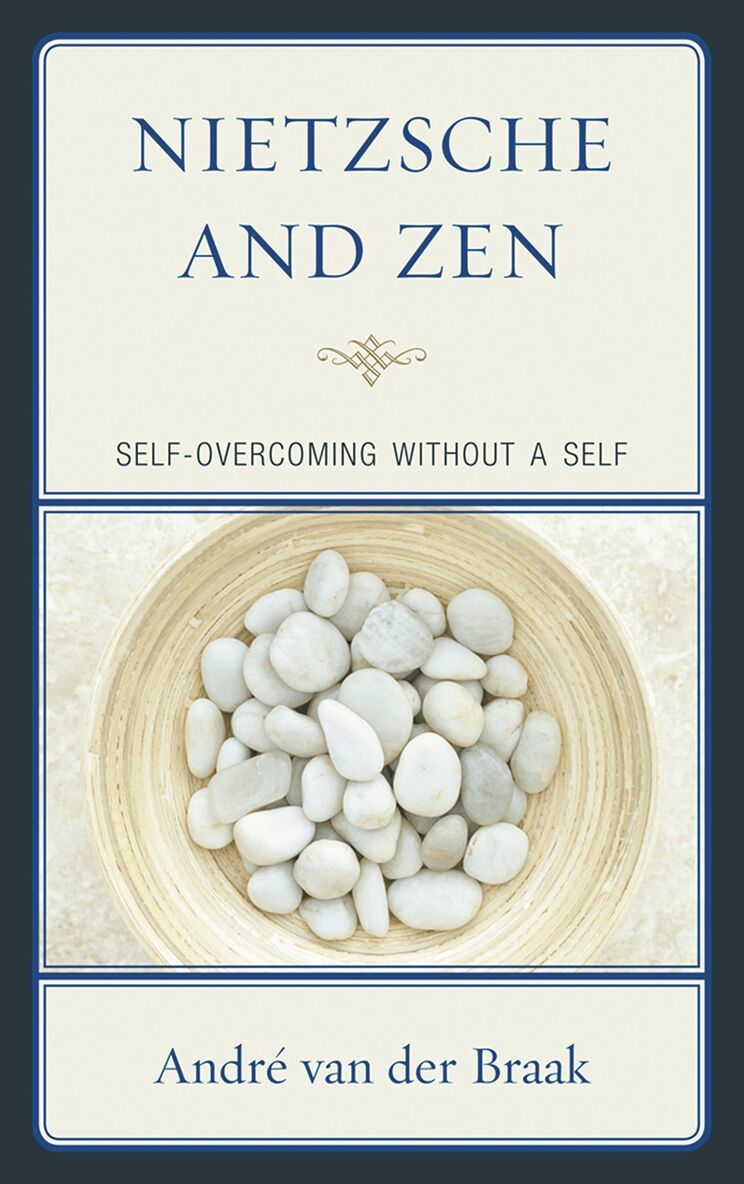
Nietzsche and Zen
Self Overcoming Without a Self
Häftad, 2013
714 kr
Lägg i varukorg
In Nietzsche and Zen: Self-Overcoming Without a Self, André van der Braak engages Nietzsche in a dialogue with four representatives of the Buddhist Zen tradition: Nagarjuna (c. 150-250), Linji (d. 860), Dogen (1200-1253), and Nishitani (1900-1990). In doing so, he reveals Nietzsche's thought as a …
Ayahuasca as Liquid Divinity
An Ontological Approach
Häftad, 2026
414 kr
Kommande
Ayahuasca often yields transformative experiences that merge such familiar categories as the sacred and the secular, transcendence and immanence, subject and object, and the human and the nonhuman. However, such experiences are interpreted differently by Western and indigenous discourses. Using the …
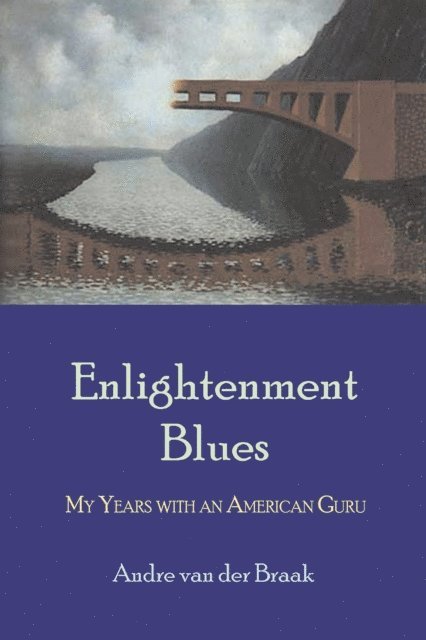
Enlightenment Blues
My Years with an American Guru
E-bok, 2016
99 kr
Lägg i varukorg
Enlightenment Blues is Andre van der Braak’s compelling first hand account of his relationship with a prominent spiritual teacher. It chronicles both the author’s spiritual journey and disenchantment as well the development of a missionary and controversial community around the teacher. It …
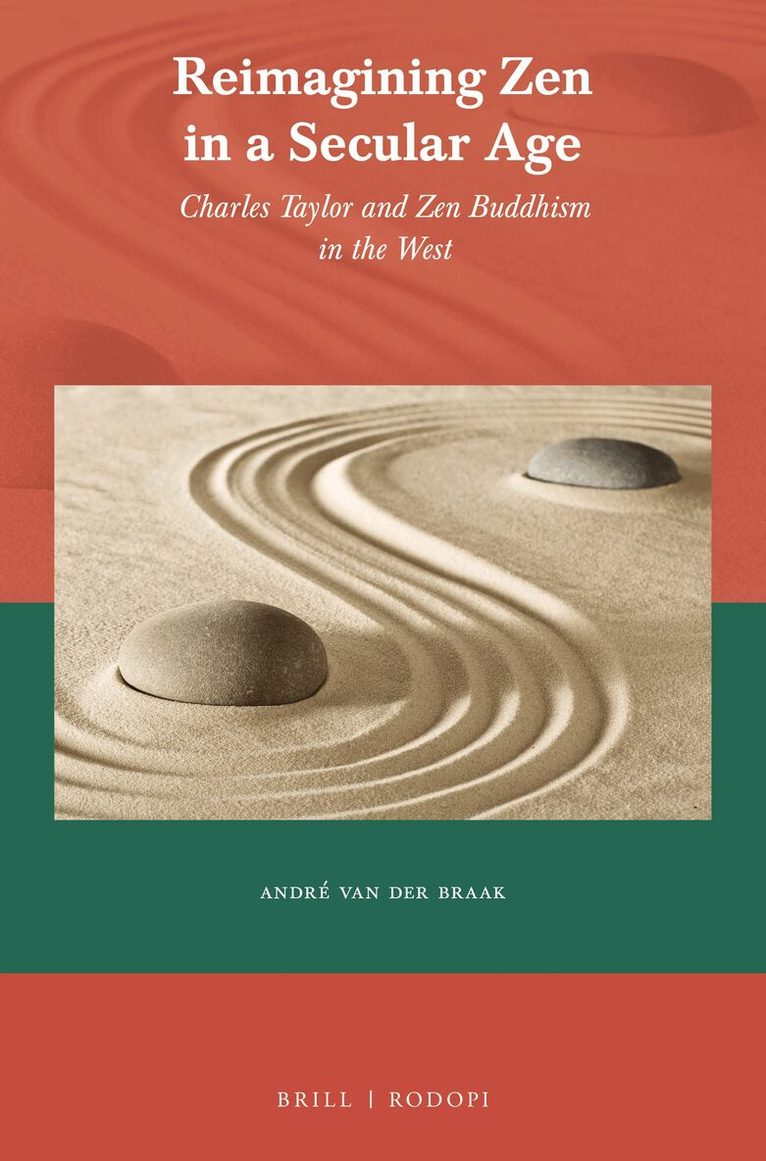
Reimagining Zen in a Secular Age
Charles Taylor and Zen Buddhism in the West
Häftad, 2020
1010 kr
Lägg i varukorg
In Reimagining Zen in a Secular Age André van der Braak offers an account of the exciting but also problematic encounter between enchanted Japanese Zen Buddhism and secular Western modernity over the past century, using Charles Taylor’s magnum opus A Secular Age as an interpretative lens.As the …
Remixing Religion
Multiple Religious Belonging and Beyond – A Latourian Proposal
Häftad, 2026
693 kr
Lägg i varukorg
Traditional religious affiliation is declining across the West, yet new hybrid forms of spirituality flourish. In Remixing Religion, André van der Braak argues that many people are not leaving religion behind but are creatively recombining it—sometimes in the form of multiple religious belonging …