André van Stel – författare
Visar alla böcker från författaren André van Stel. Handla med fri frakt och snabb leverans.
3 produkter
3 produkter
Del 13 - International Studies in Entrepreneurship
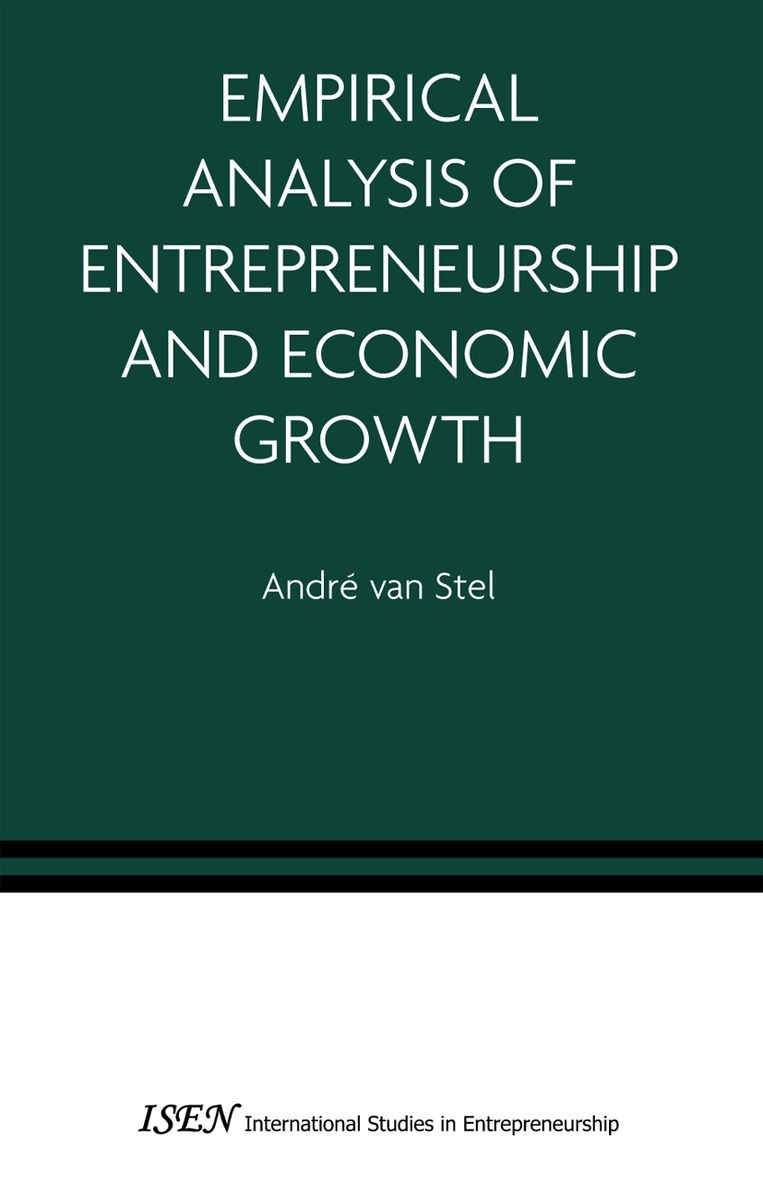
Empirical Analysis of Entrepreneurship and Economic Growth
Inbunden, Engelska, 2006
1 123 kr
Skickas inom 10-15 vardagar
The importance of entrepreneurship for achieving economic growth in contemporary economies is widely recognized, both by policy makers and economists. It is deeply embedded in the current European policy approach that the creativity and independence of entrepreneurs contribute to higher levels of economic activity. Indeed, according to the European Commission (2003, p. 9), "The challenge for the European Union is to identify the key factors for building a climate in which entrepreneurial initiative and business activities can thrive. Policy measures should seek to boost the Union's levels of entrepreneurship, adopting the most appropriate approach for producing more entrepreneurs and for getting more firms to grow. " Audretsch (2003, p. 5) states that "Entrepreneurship has become the engine of economic and social development throughout the world. " The relation between entrepreneurship and economic growth is embedded in several strands of the economic literature. A first strand of literature involves the general understanding of the role of entrepreneurship in the modern economy. Seminal contributions were made by Schumpeter (1934), Knight (1921) and Kirzner (1973). These economists stress different aspects of the role of the entrepreneur. While Schumpeter stresses the innovating aspect, Knight stresses the risk assuming aspect. Kirzner, finally, stresses the role of the entrepreneur in leading markets to equilibrium. Acs (1992) discusses the contribution of small firms in modern economies.
E-bok
PDF, Engelska, 20061 408 kr
Läs direkt efter köp
The importance of entrepreneurship for achieving economic growth in contemporary economies is widely recognized, both by policy makers and economists. It is deeply embedded in the current European policy approach that the creativity and independence of entrepreneurs contribute to higher levels of economic activity. Indeed, according to the European Commission (2003, p. 9), "The challenge for the European Union is to identify the key factors for building a climate in which entrepreneurial initiative and business activities can thrive. Policy measures should seek to boost the Union''s levels of entrepreneurship, adopting the most appropriate approach for producing more entrepreneurs and for getting more firms to grow. " Audretsch (2003, p. 5) states that "Entrepreneurship has become the engine of economic and social development throughout the world. " The relation between entrepreneurship and economic growth is embedded in several strands of the economic literature. A first strand of literature involves the general understanding of the role of entrepreneurship in the modern economy. Seminal contributions were made by Schumpeter (1934), Knight (1921) and Kirzner (1973). These economists stress different aspects of the role of the entrepreneur. While Schumpeter stresses the innovating aspect, Knight stresses the risk assuming aspect. Kirzner, finally, stresses the role of the entrepreneur in leading markets to equilibrium. Acs (1992) discusses the contribution of small firms in modern economies.
Del 13 - International Studies in Entrepreneurship
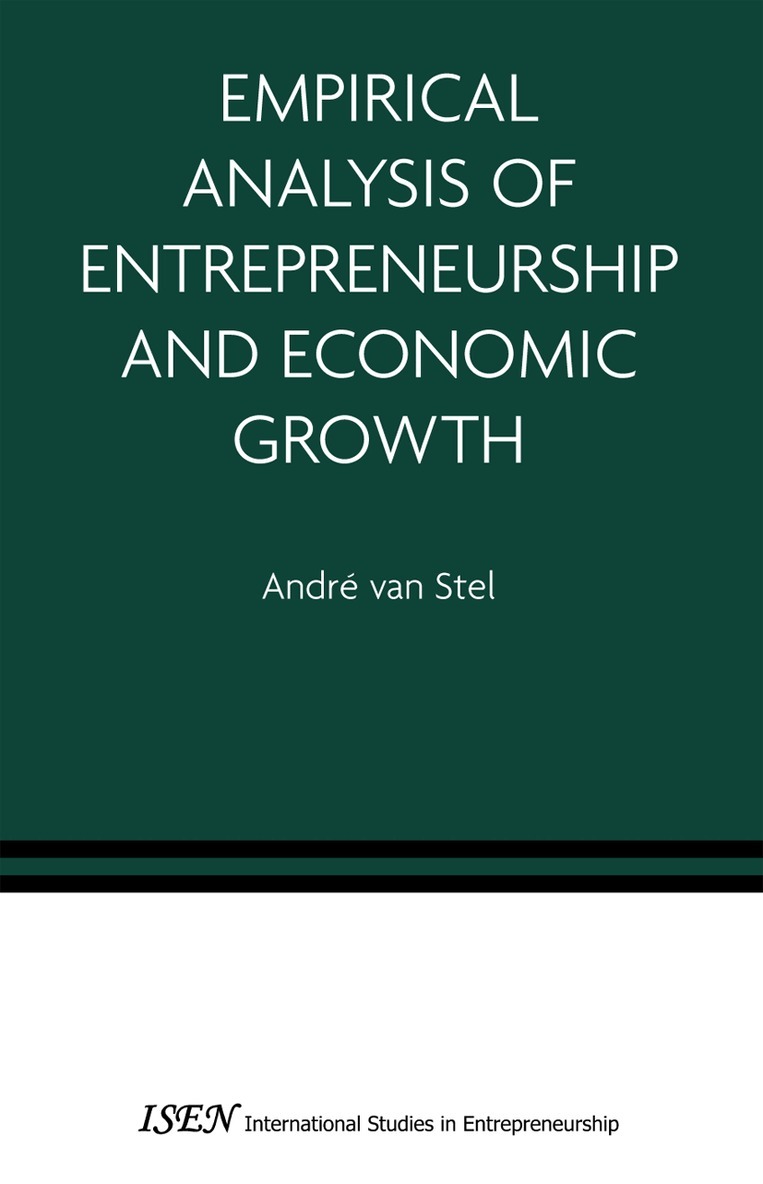
Empirical Analysis of Entrepreneurship and Economic Growth
Häftad, Engelska, 2010
1 123 kr
Skickas inom 10-15 vardagar
The importance of entrepreneurship for achieving economic growth in contemporary economies is widely recognized, both by policy makers and economists. It is deeply embedded in the current European policy approach that the creativity and independence of entrepreneurs contribute to higher levels of economic activity. Indeed, according to the European Commission (2003, p. 9), "The challenge for the European Union is to identify the key factors for building a climate in which entrepreneurial initiative and business activities can thrive. Policy measures should seek to boost the Union's levels of entrepreneurship, adopting the most appropriate approach for producing more entrepreneurs and for getting more firms to grow. " Audretsch (2003, p. 5) states that "Entrepreneurship has become the engine of economic and social development throughout the world. " The relation between entrepreneurship and economic growth is embedded in several strands of the economic literature. A first strand of literature involves the general understanding of the role of entrepreneurship in the modern economy. Seminal contributions were made by Schumpeter (1934), Knight (1921) and Kirzner (1973). These economists stress different aspects of the role of the entrepreneur. While Schumpeter stresses the innovating aspect, Knight stresses the risk assuming aspect. Kirzner, finally, stresses the role of the entrepreneur in leading markets to equilibrium. Acs (1992) discusses the contribution of small firms in modern economies.