Andrea Cook - Böcker
Visar alla böcker från författaren Andrea Cook. Handla med fri frakt och snabb leverans.
3 produkter
3 produkter
Nutritional Psychology
Understanding the Relationship Between Food and Mental Health
Häftad, Engelska, 2025
750 kr
Skickas inom 10-15 vardagar
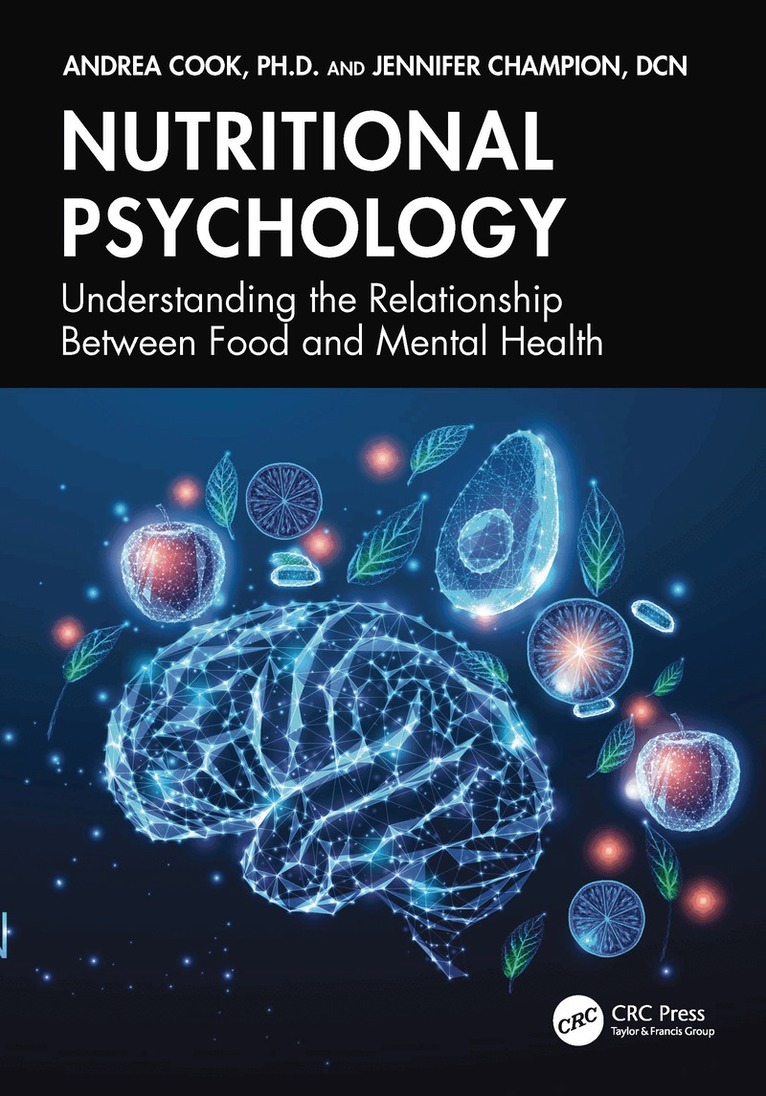
Nutritional Psychology: Understanding the Relationship Between Food and Mental Health provides a broad look at the intersection between food and mental health and offers a comprehensive approach to effectively prioritize nutrition as a powerful component to maintaining overall wellbeing. Each of the 16 chapters deeply informs about a broad range of nutritional factors including those that promote stable blood sugar levels, optimize brain functioning, and contribute to the microbiome and hormone levels so important to the brain-gut connection. There are useful insights into the dynamics of food selection, eating disorders, obesity, body image, and nutrition quality that can stabilize or destabilize mental and emotional disorders. Additionally, environmental influences that shape eating behaviors are fully explored.Nutritional Psychology: Understanding the Relationship Between Food and Mental Health combines psychology, nutrition, and medicine to form a framework for optimizing the relationship between diet and mental wellbeing. This textbook is designed for undergraduate and graduate psychology and nutrition college courses for students pursuing careers as psychologists, dietitians, nurses, social workers, and a variety of health professionals who want to incorporate nutrition and eating behavior into their discussions with patients.Dr. Cook and Dr. Champion are both clinicians who work directly with clients with psychological and physical health issues and utilize a blend of nutritional and psychological interventions in their work, providing useful clinical applications for nutritional psychology.
Nutritional Psychology
Understanding the Relationship Between Food and Mental Health
Inbunden, Engelska, 2025
2 299 kr
Skickas inom 10-15 vardagar
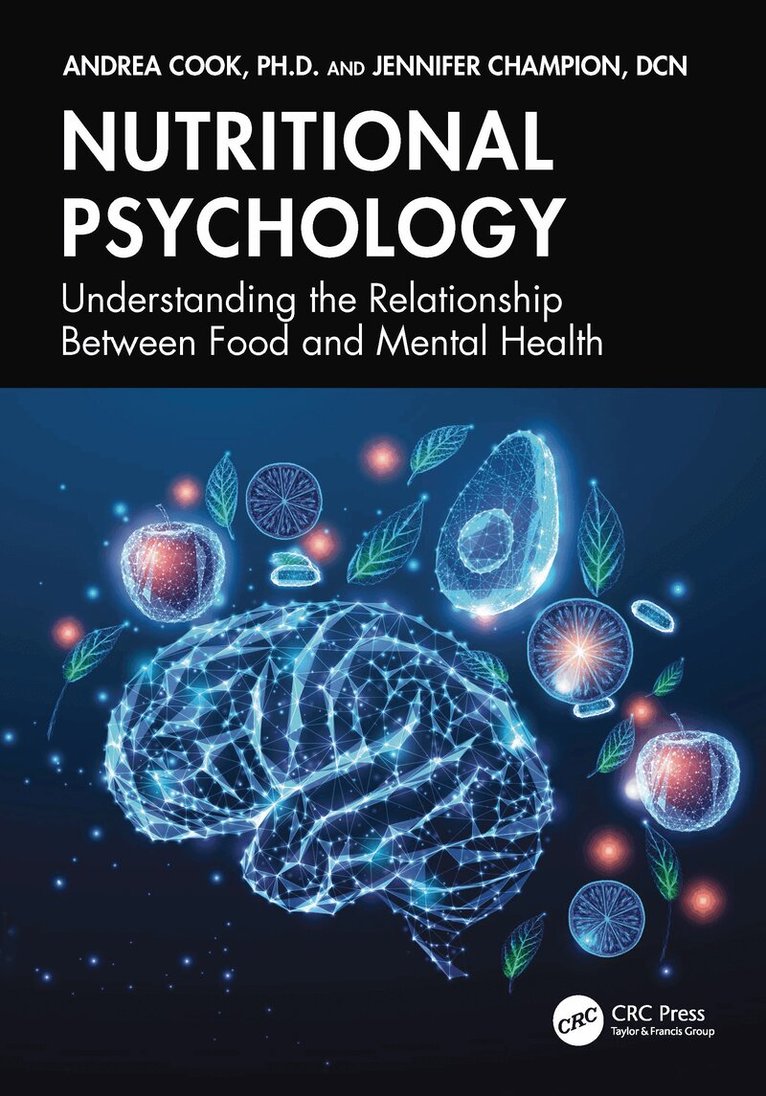
Nutritional Psychology: Understanding the Relationship Between Food and Mental Health provides a broad look at the intersection between food and mental health and offers a comprehensive approach to effectively prioritize nutrition as a powerful component to maintaining overall wellbeing. Each of the 16 chapters deeply informs about a broad range of nutritional factors including those that promote stable blood sugar levels, optimize brain functioning, and contribute to the microbiome and hormone levels so important to the brain-gut connection. There are useful insights into the dynamics of food selection, eating disorders, obesity, body image, and nutrition quality that can stabilize or destabilize mental and emotional disorders. Additionally, environmental influences that shape eating behaviors are fully explored.Nutritional Psychology: Understanding the Relationship Between Food and Mental Health combines psychology, nutrition, and medicine to form a framework for optimizing the relationship between diet and mental wellbeing. This textbook is designed for undergraduate and graduate psychology and nutrition college courses for students pursuing careers as psychologists, dietitians, nurses, social workers, and a variety of health professionals who want to incorporate nutrition and eating behavior into their discussions with patients.Dr. Cook and Dr. Champion are both clinicians who work directly with clients with psychological and physical health issues and utilize a blend of nutritional and psychological interventions in their work, providing useful clinical applications for nutritional psychology.
421 kr
Skickas inom 5-8 vardagar
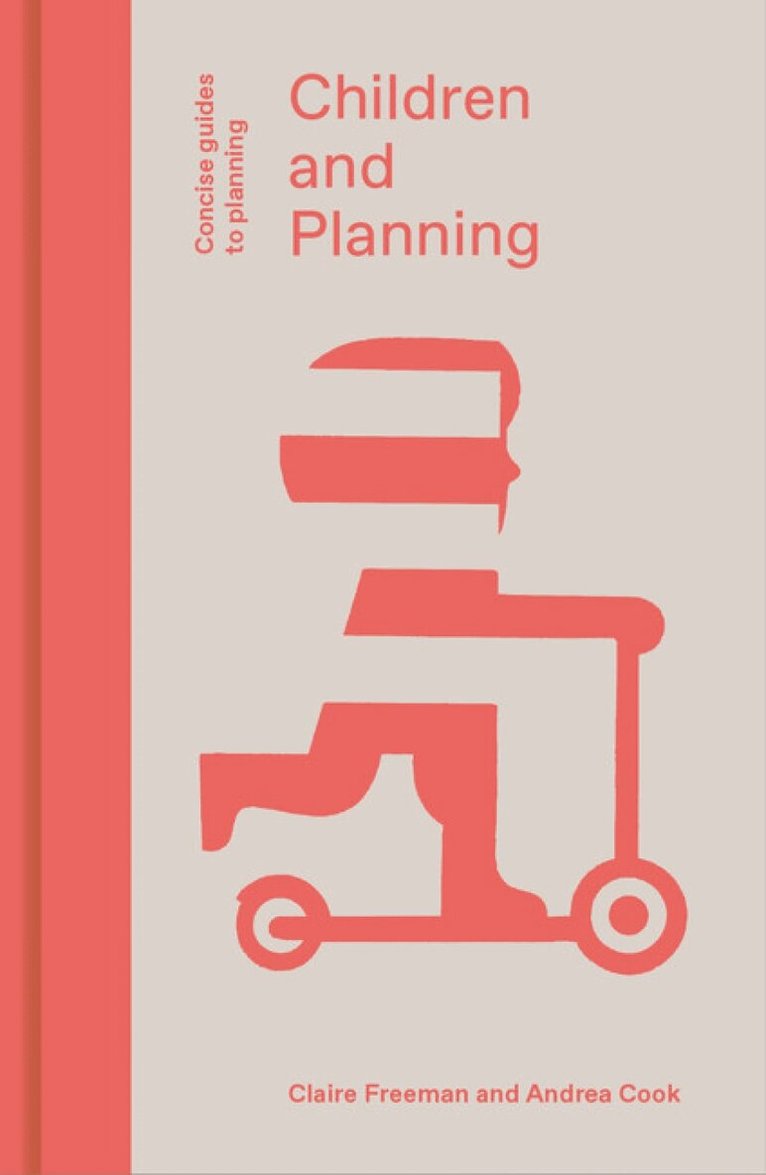
Planning is central to ensuring children and young people live in safe, secure places, that they are included and can be active. There can be few aspects of planners’ work that do not directly impact on children, from designing city centres, to implementing policies that will minimise the environmental effects of industrial practices. The United Nations Convention on the Rights of the Child (1989) requires planners to consider children in matters affecting them and affirms that they have the right to be heard on such matters, and there is a consensus that it is important to try and engage children and young people in the planning process. The main question is how?This book provides a range of international case studies illustrating good practice. It offers a variety of tools and techniques which have proved to be successful and discusses the work that needs to be done to enable planners to respond more effectively. It identifies key areas of concern generally with reference to the built environment and more precisely to planning theory and practice.