Andrea Gollin – författare
Visar alla böcker från författaren . Handla med fri frakt och snabb leverans.
2 produkter
2 produkter
Inbunden, Engelska, 2025
271 kr
Skickas
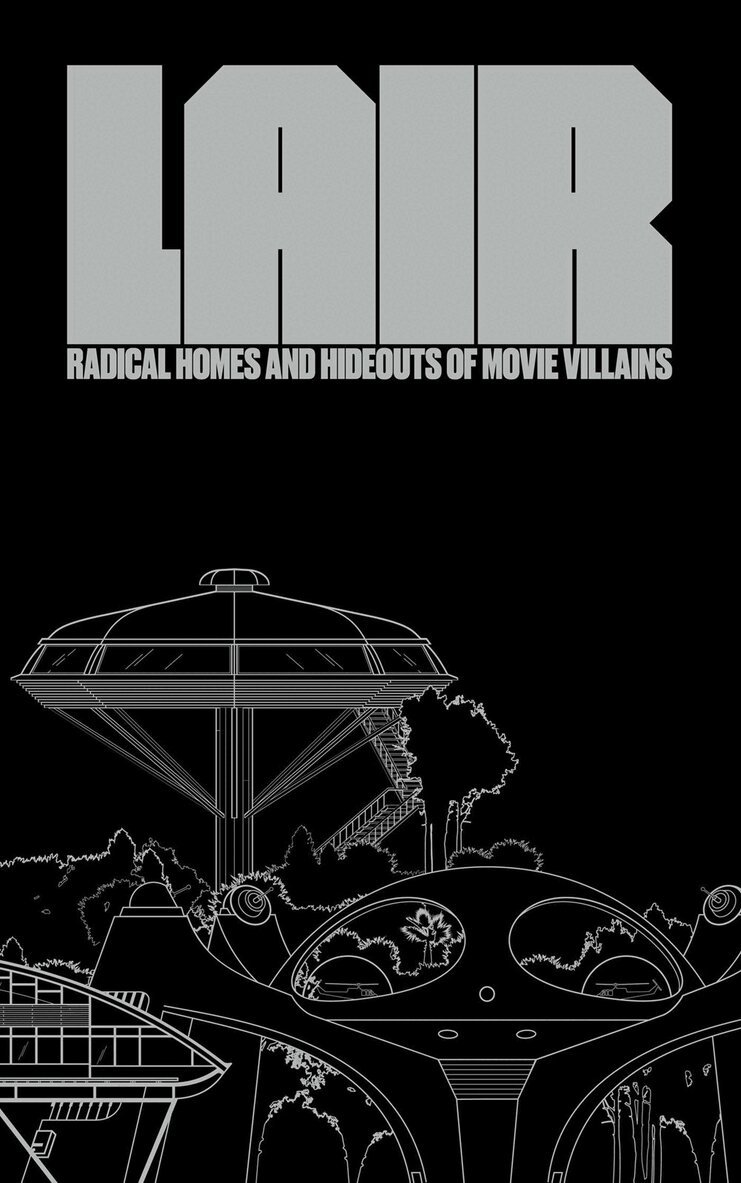
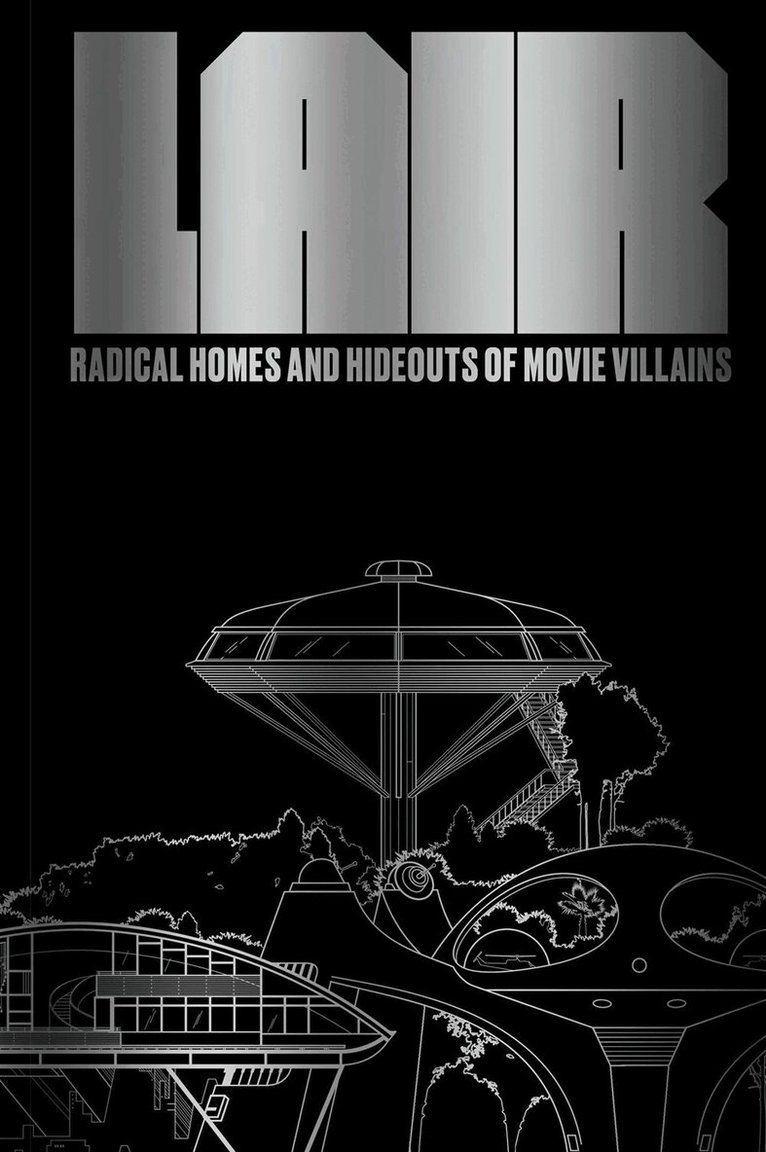
NOW IN TRADE EDITION! *50 Books | 50 Covers AIGA (American Institute of Graphic Arts), Winner, Book Category*Official Selection Award of the 10th Edition of the Festival International du Livre D’Art et du Film Both an architecture and movie fan’s dream (LA Times), this strikingly designed (Publishers Weekly) and handsome tome (The Hollywood Reporter) sets out to answer the question we haven't stopped asking: Why do bad guys live in good houses? Big-screen villains often live in architectural splendor. From a design standpoint, the villain’s lair, as popularized in many of our favorite movies, is a stunning, sophisticated, envy-inducing expression of the warped drives and desires of its occupant. In Lair, which appreciates and celebrates all things villain, pop culture and architecture join forces in these outlandish homes. From futuristic fantasies to deathtrap-laden hives, from dwellings in space to those under the sea, Lair features villains’ homes from fifteen films, including Dr. Strangelove, The Incredibles, Blade Runner 2049, You Only Live Twice, The Spy Who Loved Me, and Ex Machina. The award-winning book, with silver ink printed on luxurious black paper, explores the architectural design of these structures through architectural illustrations and renderings, photographs, essays, film analyses, interviews, and more. Highlights include interviews with production designers, directors, and other industry professionals such as Ralph Eggleston, Mark Digby, Richard Donner, Roger Christian, David Scheunemann, and Gregg Henry, along with excerpts from an oral history with the late architect John Lautner. Editorial contributors include Chad Oppenheim, Michael Mann, Sir Christopher Frayling, Joseph Rosa, Amy Murphy, Andrea Gollin, and Phillip Valys. Architectural illustrations and renderings are by Carlos Fueyo.
Inbunden, Engelska, 2026
236 kr
Kommande
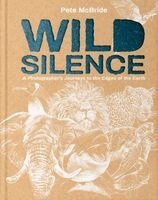
Award-winning nature photographer Pete McBride shares tales of his travels to remote, quiet places on each continent; his captivating narrative is accompanied by engaging educational content, spectacular photographs, and companion illustrations.There is an invisible, magical world all around you. When it’s quiet, and you listen carefully, you can hear it. Award-winning nature photographer Pete and author Pete McBride has searched the globe for special places where it’s silent enough to hear the music of nature. Here, he shares tales and photos from amazing adventures on every continent. In this nonfiction tour around the world for ages 8-12, accompanied by stunning photographs and complementary illustrations, McBride shares his experiences of places in the world where human noise pollution recedes and allows the sounds of the natural world to be heard. The reader accompanies McBride on all seven continents, centered on his tales of memorable encounters with nature and its sounds and anchored with photographs. McBride’s vivid storytelling includes place-based stories, such as the ice on Mount Everest and a close encounter with an avalanche, as well as stories based on encounters with animals like the electric eel he narrowly avoided in the Amazon River. The book, adapted for young readers from the award-winning Seeing Silence, is organized by continent, with educational material about each place augmenting McBride’s engaging narratives. Materials include maps, contextual information about each continent, a mini-essay focused on inspirational individuals or organizations working for positive change, and QR codes that link to videos and recordings of nature’s sounds. The stunning graphics include 16 pages of McBride’s photographs, with each continent as well as companion illustrations. McBride notes that his photographs “are meant to reveal the natural music of our wild realms and their importance not only for wildlife, but also for the fragile solace they provide us. They are visual meditations…For me, these photographs are reminders of the natural world and what it has to say—if we listen.”