Andrea Maraschi – författare
Visar alla böcker från författaren . Handla med fri frakt och snabb leverans.
10 produkter
10 produkter
E-bok
PDF, Engelska, 2025831 kr
Läs direkt efter köp
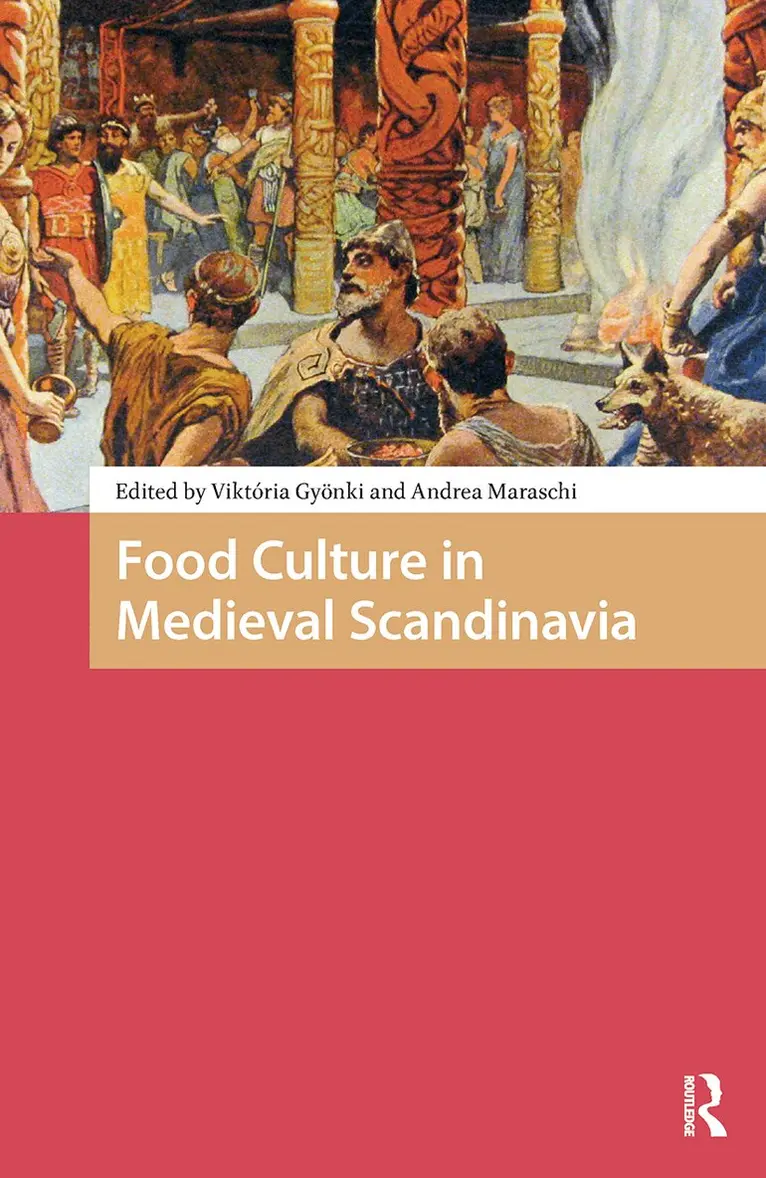
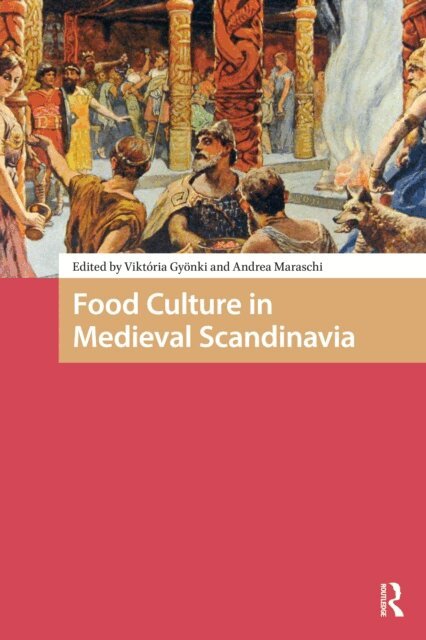
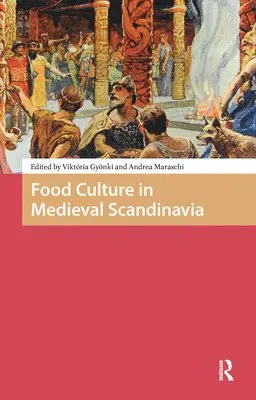
The making, eating, and sharing of food throughout society represents an important and exciting area of study with the potential to advance the field of scholarship, particularly in the context of Scandinavian Studies. This book analyses the historical, legal, and literary sources of the region during the medieval period to explore different aspects of Scandinavian culture relating to food and drink: production, consumption (including feasts), trading (distribution), and the associated social rituals. Using new and innovative approaches, this collection of studies offers broad insights into a great variety of social practices and includes fresh information on not only social history but also traditional topics such as trade, commercial exchange, legal regulation, and political organisation. The book unites contributors from a variety of backgrounds, further enriching the content of a collection that promises to make a significant contribution to the state of current research.
E-bok
PDF, Engelska, 2025807 kr
Läs direkt efter köp
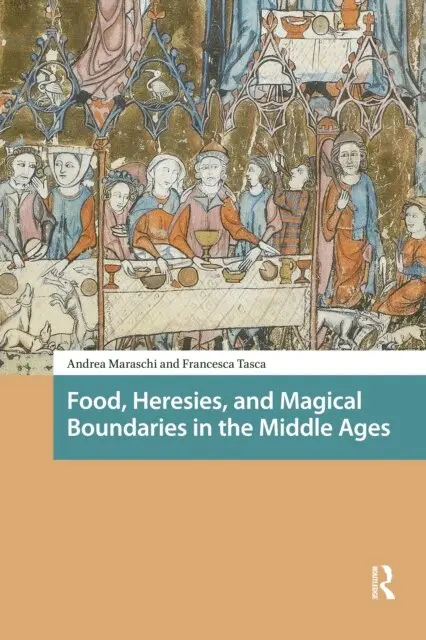
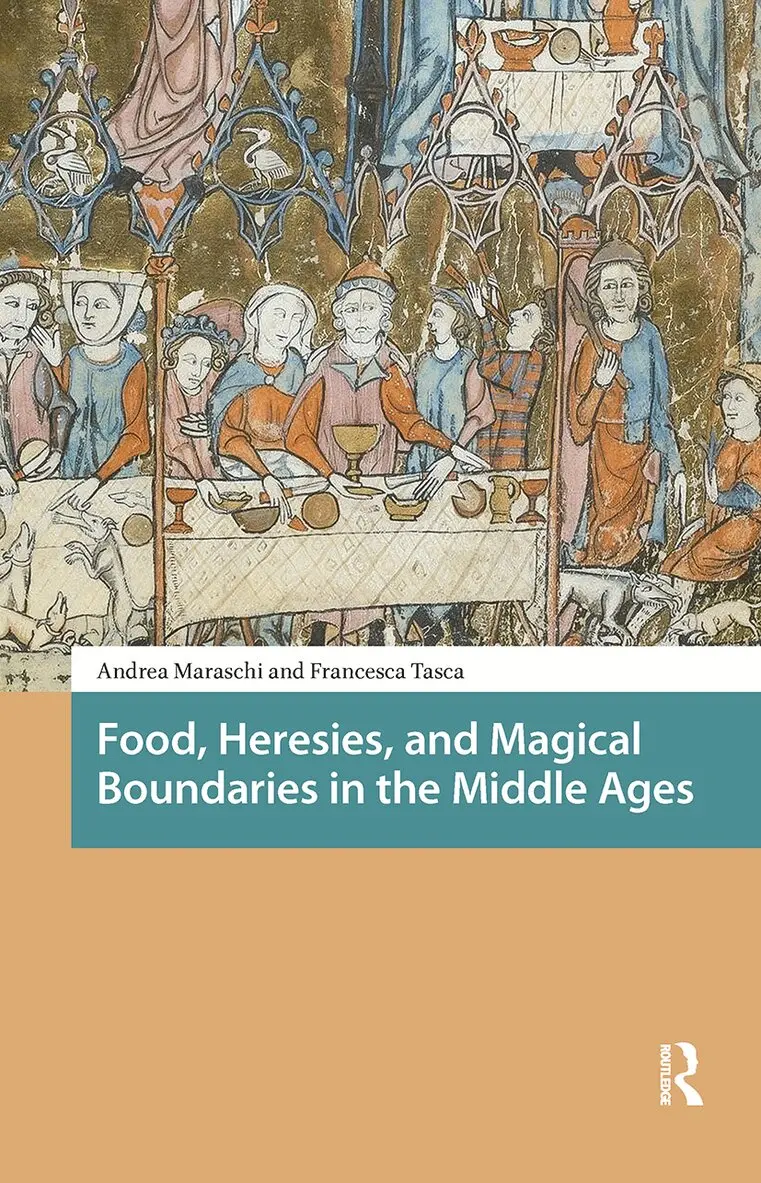
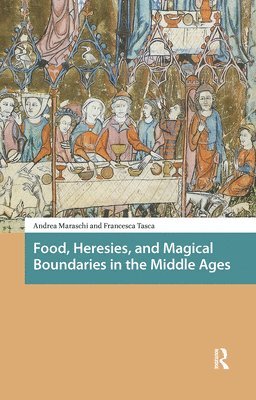
In this book readers will find stories about medieval heresies and "e;magic"e; from an unusual perspective: that of food studies. The time span ranges from Late Antiquity to the Late Middle Ages, while the geographical scope includes regions as different as North Africa, Spain, Ireland, continental Europe, the Holy land, and Central Asia. Food, heresies, and magical boundaries in the Middle Ages explores the power of food in creating and breaking down boundaries between different groups, or in establishing a contact with other worlds, be they the occult sides of nature, or the supernatural. The book emphasizes the role of food in crafting and carrying identity, and in transferring virtues and powers of natural elements into the eater's body. Which foods and drinks made someone a heretic? Could they be purified? Which food offerings forged a connection with the otherworld? Which recipes allowed gaining access to the hidden powers within nature?
E-bok
Engelska, 2025807 kr
Läs direkt efter köp
In this book readers will find stories about medieval heresies and "e;magic"e; from an unusual perspective: that of food studies. The time span ranges from Late Antiquity to the Late Middle Ages, while the geographical scope includes regions as different as North Africa, Spain, Ireland, continental Europe, the Holy land, and Central Asia. Food, heresies, and magical boundaries in the Middle Ages explores the power of food in creating and breaking down boundaries between different groups, or in establishing a contact with other worlds, be they the occult sides of nature, or the supernatural. The book emphasizes the role of food in crafting and carrying identity, and in transferring virtues and powers of natural elements into the eater's body. Which foods and drinks made someone a heretic? Could they be purified? Which food offerings forged a connection with the otherworld? Which recipes allowed gaining access to the hidden powers within nature?
E-bok
Engelska, 2025831 kr
Läs direkt efter köp
The making, eating, and sharing of food throughout society represents an important and exciting area of study with the potential to advance the field of scholarship, particularly in the context of Scandinavian Studies. This book analyses the historical, legal, and literary sources of the region during the medieval period to explore different aspects of Scandinavian culture relating to food and drink: production, consumption (including feasts), trading (distribution), and the associated social rituals. Using new and innovative approaches, this collection of studies offers broad insights into a great variety of social practices and includes fresh information on not only social history but also traditional topics such as trade, commercial exchange, legal regulation, and political organisation. The book unites contributors from a variety of backgrounds, further enriching the content of a collection that promises to make a significant contribution to the state of current research.
Häftad, Engelska, 2025
705 kr
Skickas inom 10-15 vardagar
The making, eating, and sharing of food throughout society represents an important and exciting area of study with the potential to advance the field of scholarship, particularly in the context of Scandinavian Studies. This book analyses the historical, legal, and literary sources of the region during the medieval period to explore different aspects of Scandinavian culture relating to food and drink: production, consumption (including feasts), trading (distribution), and the associated social rituals. Using new and innovative approaches, this collection of studies offers broad insights into a great variety of social practices and includes fresh information on not only social history but also traditional topics such as trade, commercial exchange, legal regulation, and political organisation. The book unites contributors from a variety of backgrounds, further enriching the content of a collection that promises to make a significant contribution to the state of current research.
Häftad, Engelska, 2025
685 kr
Skickas inom 10-15 vardagar
In this book readers will find stories about medieval heresies and “magic” from an unusual perspective: that of food studies. The time span ranges from Late Antiquity to the Late Middle Ages, while the geographical scope includes regions as different as North Africa, Spain, Ireland, continental Europe, the Holy land, and Central Asia. Food, heresies, and magical boundaries in the Middle Ages explores the power of food in creating and breaking down boundaries between different groups, or in establishing a contact with other worlds, be they the occult sides of nature, or the supernatural. The book emphasizes the role of food in crafting and carrying identity, and in transferring virtues and powers of natural elements into the eater’s body. Which foods and drinks made someone a heretic? Could they be purified? Which food offerings forged a connection with the otherworld? Which recipes allowed gaining access to the hidden powers within nature?
Inbunden, Engelska, 2023
1 122 kr
Skickas inom 5-8 vardagar
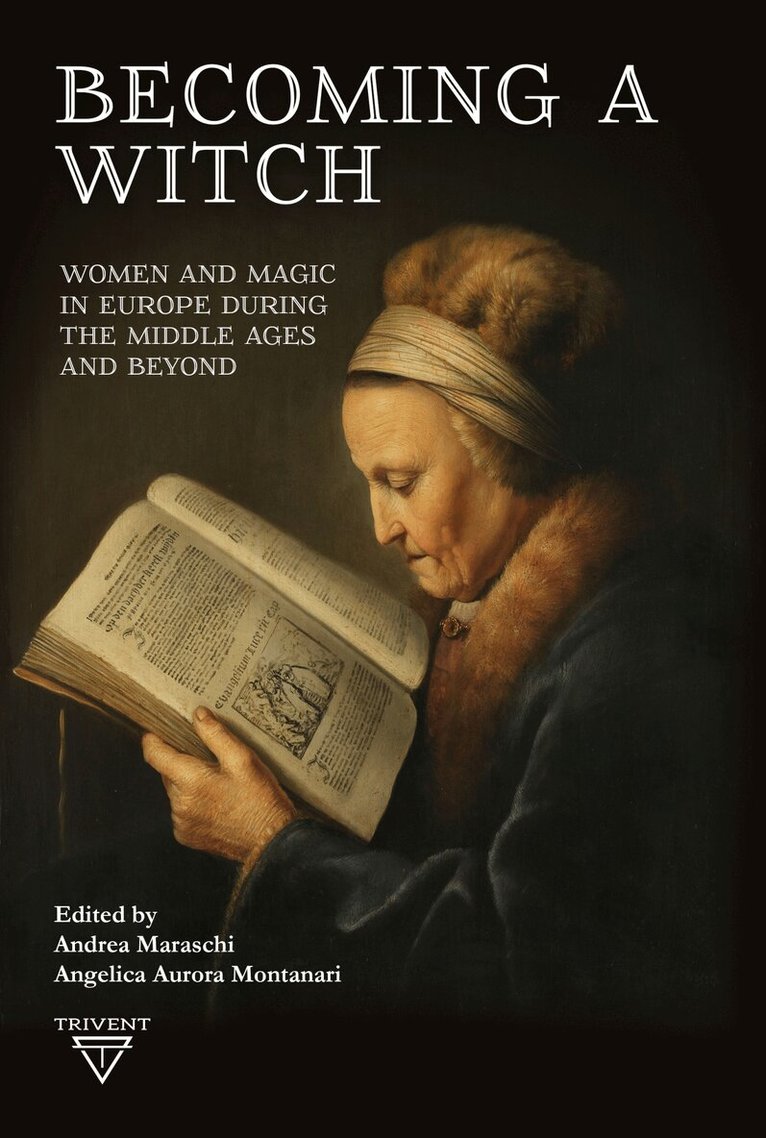
This book is not about witches. First of all, because it focuses on the Middle Ages. And, despite common misconceptions among the general public, the figure of the witch as a woman who seals a pact with the Devil is not a "medieval" invention. Becoming a Witch explores the feminization of what civil and religious authorities defined as "magic" in medieval times. It looks into the complex connections between women, the natural, the supernatural, and the tragedy of existence.The chapters in this book span from the far north of Europe to the Mediterranean area, and investigate topics such as divination, erotic "magic", flying and dancing bodies, cannibalism, milk-stealing witchcraft, the circulation of "superstitious" knowledge among women, Otherness, agency, and, last but not least, contemporary representations of the witch in books, TV series, and cinema productions.From whom did women learn their beliefs and remedies? Were they really in contact with demons? Were they a social threat? And, most importantly, should men fear and stop them?
Del 6 - Mini-Monographs in Medieval and Early Modern Studies
Word Eaters: Graphophagy in the Early and High Middle Ages
Häftad, Engelska, 2026
1 250 kr
Skickas inom 3-6 vardagar
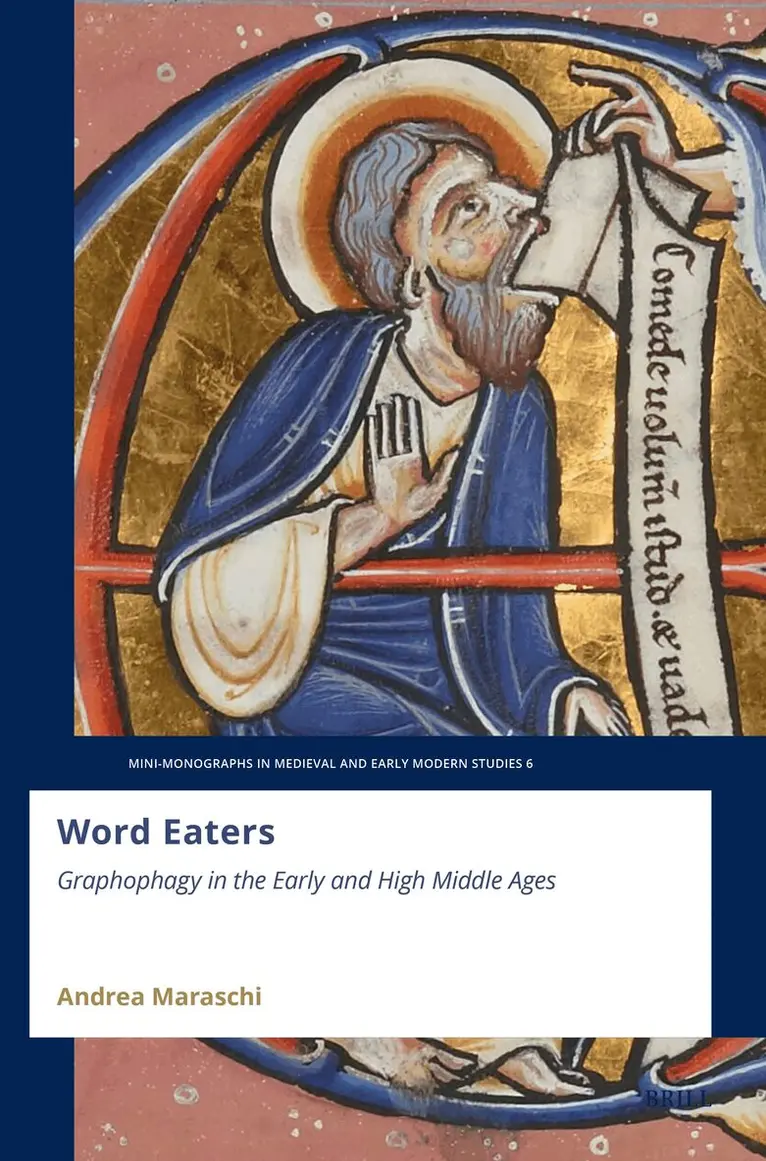
Syrups made from sacred words dissolved in water, cups with inscribed letters, and mysterious symbols traced on food—graphophagy, the ingestion of words, was real and widespread, yet scarcely studied within the medieval European context. This volume reveals how people consumed texts for therapeutic, ritual, and devotional purposes between late antiquity and the high Middle Ages. It explores remedies hidden in the margins of manuscripts, traces of ingestion in grimoires and medical texts, and charms echoing from Egypt to Scandinavia to illustrate that eating words was neither irrational nor exotic: it was a coherent ritual strategy that transformed ink and parchment into powerful tools for acting upon reality.
Del 15 - Early Medieval North Atlantic
Food Culture in Medieval Scandinavia
Inbunden, Engelska, 2022
2 130 kr
Skickas inom 10-15 vardagar
The making, eating, and sharing of food throughout society represents an important and exciting area of study with the potential to advance the field of scholarship, particularly in the context of Scandinavian Studies. This book analyses the historical, legal, and literary sources of the region during the medieval period to explore different aspects of Scandinavian culture relating to food and drink: production, consumption (including feasts), trading (distribution), and the associated social rituals. Using new and innovative approaches, this collection of studies offers broad insights into a great variety of social practices and includes fresh information on not only social history but also traditional topics such as trade, commercial exchange, legal regulation, and political organisation. The book unites contributors from a variety of backgrounds, further enriching the content of a collection that promises to make a significant contribution to the state of current research.
Del 6 - Food Culture, Food History before 1900
Food, Heresies, and Magical Boundaries in the Middle Ages
Inbunden, Engelska, 2024
2 130 kr
Skickas inom 10-15 vardagar
In this book readers will find stories about medieval heresies and “magic” from an unusual perspective: that of food studies. The time span ranges from Late Antiquity to the Late Middle Ages, while the geographical scope includes regions as different as North Africa, Spain, Ireland, continental Europe, the Holy land, and Central Asia. Food, heresies, and magical boundaries in the Middle Ages explores the power of food in creating and breaking down boundaries between different groups, or in establishing a contact with other worlds, be they the occult sides of nature, or the supernatural. The book emphasizes the role of food in crafting and carrying identity, and in transferring virtues and powers of natural elements into the eater’s body. Which foods and drinks made someone a heretic? Could they be purified? Which food offerings forged a connection with the otherworld? Which recipes allowed gaining access to the hidden powers within nature?