Directly or indirectly, race makes many appearances in the Fourth Gospel. What is the meaning of all this attention to ethnic labels? Race in John's Gospel investigates how John reflects the racialized ideas current in its milieu, challenging some and adapting others. Ultimately, John dismisses race as valid grounds for prejudice or discrimination, devaluing the very criteria on which race is based. The cumulative effect of this rhetoric is to undermine the category itself, exposing earthly race as irrelevant and illusory. However, John's anthropology is layered, and looks beyond this unimportant earthly level. Above it, John constructs a heavenly level of racial identity, based on one's descent from either God or the devil.
What happens to the racial identity of those who follow Jesus? Abraham, Ancestry, and Ethnicity in Luke’s Gospel: From These Stones explores how Luke employs the concept of ancestry—especially descent from Abraham—to recategorize believers and nonbelievers. Luke’s use of the patriarch is informed by his function in Second Temple literature, as the ancestor of the Israel, but also the father of several other races, and a point of surprising contact between Jews and gentiles. In his gospel, Luke offers a new layer of ethnic identity to gentile believers, as adjunct members of Abraham’s family tree.
This book critically examines the role of Samaritans within the narrative framework of the Gospel of Luke. Adopting an "ethnos-conscious" approach, it explores the ancient Mediterranean understanding of race and identity, focusing on how Samaritans were perceived both within their own community and by others. The study argues that Luke presents the Samaritans as a distinct ethnic group, separate from Jews, yet integral to the fulfillment of Israel’s restoration. The book delves into the complexities of ethnic identity, self-perception, and the dynamics of stereotyping, racial animosity, and social acceptance or rejection. By analyzing these factors, it provides a sophisticated examination of how Luke's portrayal of Samaritans contributes to broader theological and social themes of salvation and the expansion of the gospel. It's a perfect read for theologians and religious studies scholars interested in race and biblical studies.
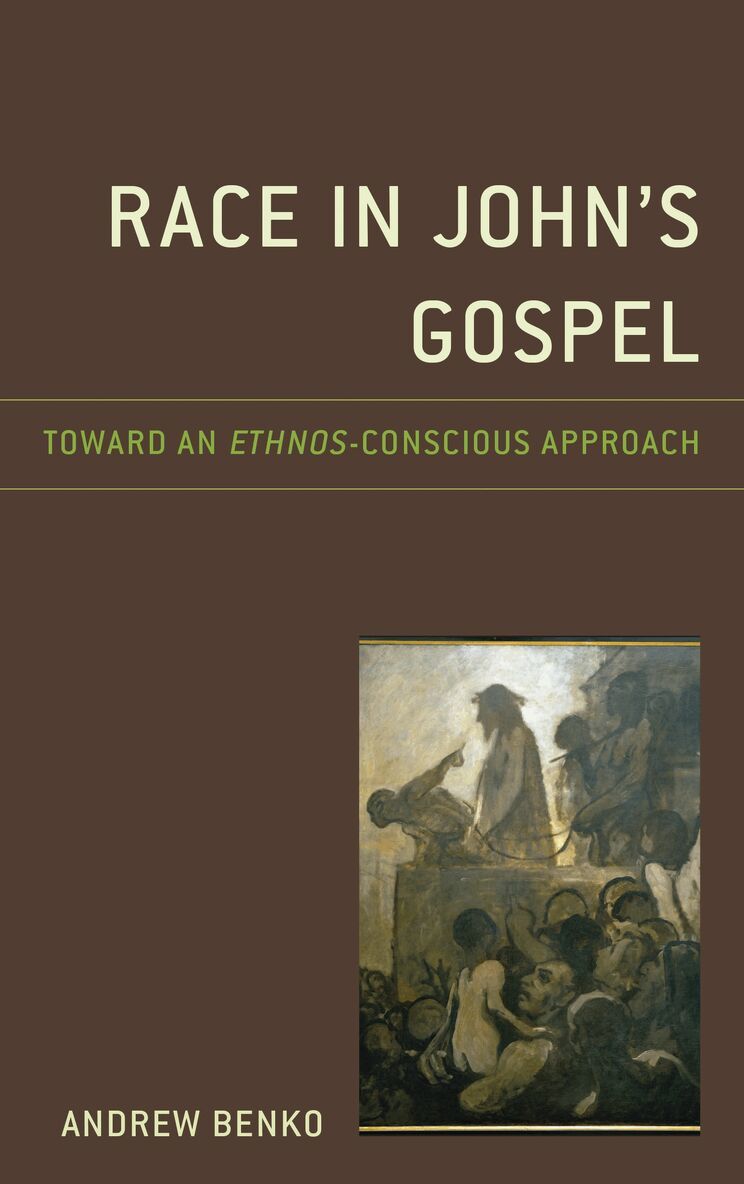
Directly or indirectly, race makes many appearances in the Fourth Gospel. What is the meaning of all this attention to ethnic labels? Race in John's Gospel investigates how John reflects the racialized ideas current in its milieu, challenging some and adapting others. Ultimately, John dismisses race as valid grounds for prejudice or discrimination, devaluing the very criteria on which race is based. The cumulative effect of this rhetoric is to undermine the category itself, exposing earthly race as irrelevant and illusory. However, John's anthropology is layered, and looks beyond this unimportant earthly level. Above it, John constructs a heavenly level of racial identity, based on one's descent from either God or the devil.
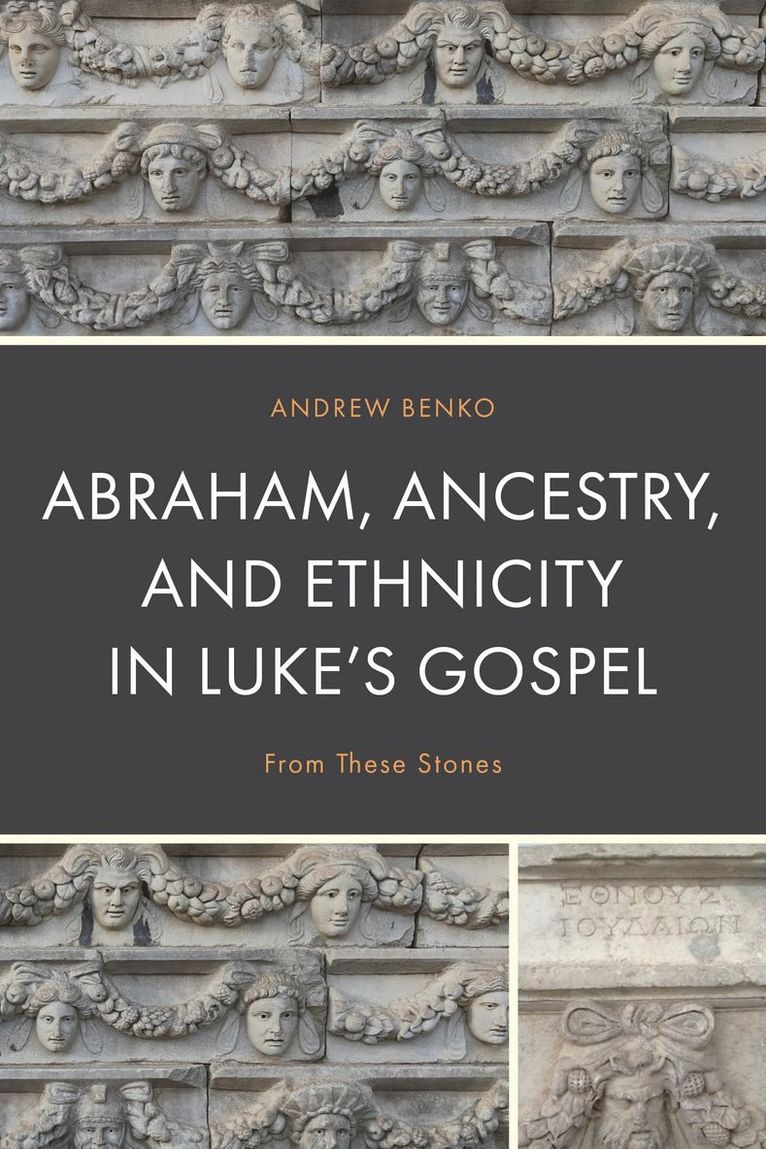
What happens to the racial identity of those who follow Jesus? Abraham, Ancestry, and Ethnicity in Luke’s Gospel: From These Stones explores how Luke employs the concept of ancestry—especially descent from Abraham—to recategorize believers and nonbelievers. Luke’s use of the patriarch is informed by his function in Second Temple literature, as the ancestor of the Israel, but also the father of several other races, and a point of surprising contact between Jews and gentiles. In his gospel, Luke offers a new layer of ethnic identity to gentile believers, as adjunct members of Abraham’s family tree.
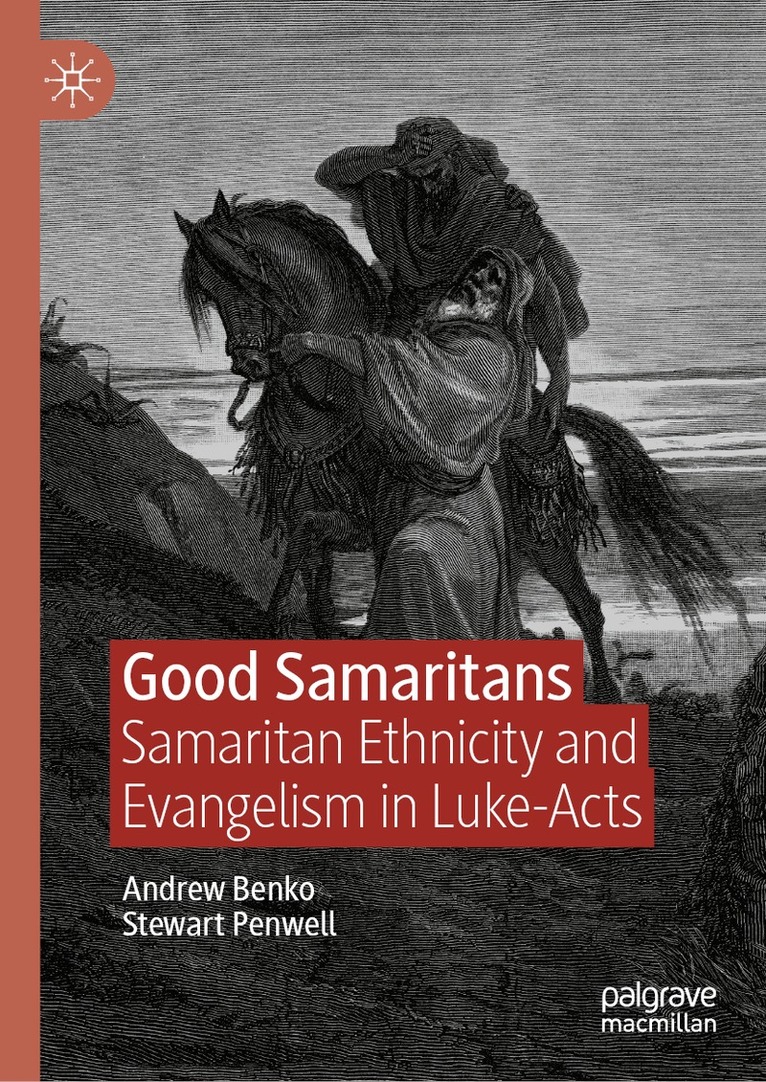
This book critically examines the role of Samaritans within the narrative framework of the Gospel of Luke. Adopting an "ethnos-conscious" approach, it explores the ancient Mediterranean understanding of race and identity, focusing on how Samaritans were perceived both within their own community and by others. The study argues that Luke presents the Samaritans as a distinct ethnic group, separate from Jews, yet integral to the fulfillment of Israel’s restoration. The book delves into the complexities of ethnic identity, self-perception, and the dynamics of stereotyping, racial animosity, and social acceptance or rejection. By analyzing these factors, it provides a sophisticated examination of how Luke's portrayal of Samaritans contributes to broader theological and social themes of salvation and the expansion of the gospel. It's a perfect read for theologians and religious studies scholars interested in race and biblical studies.