Andrew Buck – författare
Visar alla böcker från författaren Andrew Buck. Handla med fri frakt och snabb leverans.
5 produkter
Land and Freedom
Law, Property Rights and the British Diaspora
Av A.R. Buck, Andrew Buck m. fl.
Inbunden, 2001
2319 kr
Lägg i varukorg
Conflicts caused by competing concepts of property are the subject of this book that reshapes study of the relationship between law and society in Australasia and North America. Chapters analyse decisions made by governments and courts upon questions of policy and law in terms of their consequences …
Land and Freedom
Law, Property Rights and the British Diaspora
Av Nancy Wright, John McLaren m. fl.
E-bok, 2020
748 kr
Lägg i varukorg
Conflicts caused by competing concepts of property are the subject of this book that reshapes study of the relationship between law and society in Australasia and North America. Chapters analyse decisions made by governments and courts upon questions of policy and law in terms of their consequences …
Land and Freedom
Law, Property Rights and the British Diaspora
Av Nancy Wright, John McLaren m. fl.
E-bok, 2020
765 kr
Lägg i varukorg
Conflicts caused by competing concepts of property are the subject of this book that reshapes study of the relationship between law and society in Australasia and North America. Chapters analyse decisions made by governments and courts upon questions of policy and law in terms of their consequences …
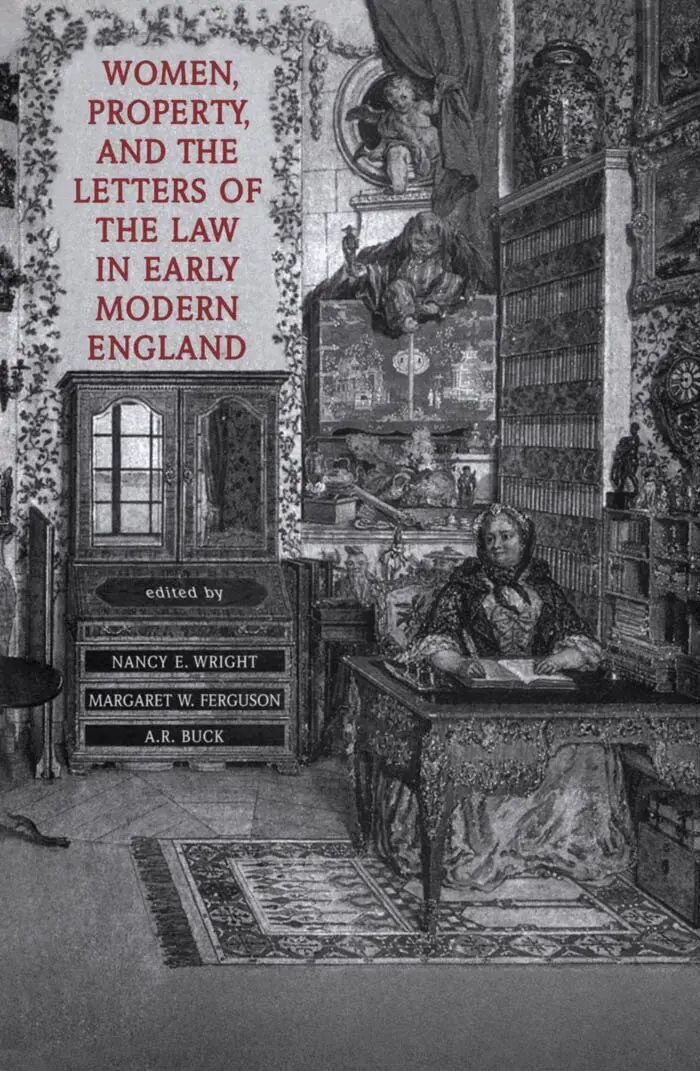
Women, Property, and the Letters of the Law in Early Modern England
Av Andrew Buck, Margaret W. Ferguson m. fl.
E-bok, 2004
1174 kr
Lägg i varukorg
Women, Property, and the Letters of the Law in Early Modern England examines the competing narratives of property told by and about women in the early modern period. Through letters, legal treatises, case law, wills, and works of literature, the contributors explore women's complex roles as …
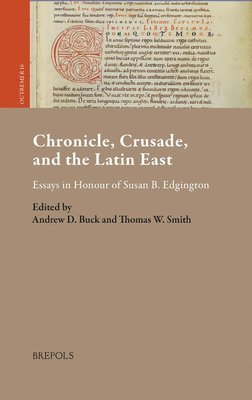
Chronicle, Crusade, and the Latin East
Essays in Honour of Susan B. Edgington
Av Andrew Buck, Thomas W Smith
Inbunden, 2022
1515 kr
Lägg i varukorg