Andrew Dolkart - Böcker
Visar alla böcker från författaren Andrew Dolkart. Handla med fri frakt och snabb leverans.
3 produkter
3 produkter
1 210 kr
Tillfälligt slut
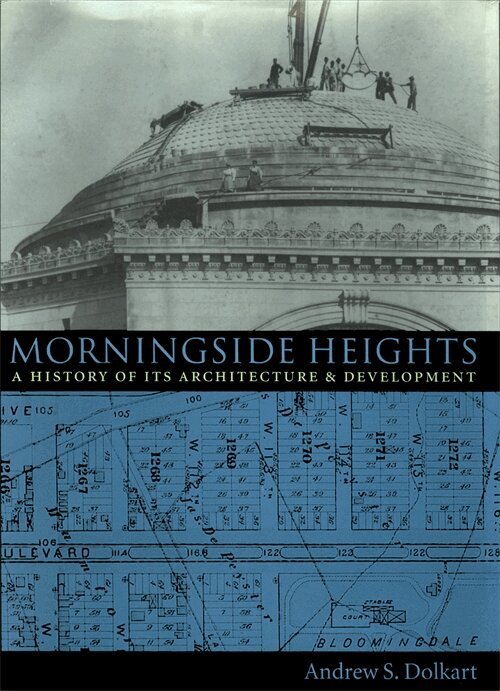
Morningside Heights, the institutional heart of New York City, is also one of the city's most architecturally distinguished neighborhoods. The high plateau that forms Morningside Heights is geographically isolated within the city and remained largely undeveloped even as neighboring Harlem and the Upper West Side became prestigious residential communities. At the end of the nineteenth century, institutions relocated to the plateau where sizable plots were available at a convenient distance from the built-up city. In 1887 Episcopal Bishop Henry Potter announced plans for the construction of a great cathedral at the edge of the plateau. The cathedral was soon followed by Columbia College and St. Luke's Hospital, which contemplated grand complexes, and by newer institutions such as Barnard College and Teachers College that were intent on establishing a presence in the rapidly growing city. Thus, Morningside Heights became indelibly associated with New York's educational, medical, and religious foundations, and was appropriately dubbed "the Acropolis of New York." In this extensively illustrated book, Andrew S.Dolkart explores the architecturally varied complexes built by these organizations. He traces the successes and failures of each building project, as trustees and supporters struggled to raise funds in order to construct great campuses in a city where residents were not always generous in their support of such endeavors. Commissioning designs from some of city's and the nation's leading architects, the Morningside Heights institutions created a richly diverse ensemble of buildings. The book tells the stories of the excitement surrounding the initial plans for an Episcopal cathedral and the ultimate failure of this grandiose project; the efforts of John D. Rockefeller, Jr. to build a rival nondenominational church (Riverside Church); the development of Charles McKim's inspired designs for Columbia's campus; the efforts of Barnard and Teachers College to build impressive campuses adjacent to Columbia; and the later projects of Union and Jewish theological seminaries and the Institute of Musical Art (late the Julliard School) to erect buildings that would be part of the larger institutional concentration, but world provide each with a unique architectural identity.Dolkart also traces the history of the surrounding residential neighborhood, providing the first comprehensive analysis of the design and construction the early-twentieth-century speculative apartment houses that typify so many New York neighborhoods. Based on extensive research and incorporating more than 200 photographs, Morningside Heights will appeal to anyone interested in architecture, urban development, or the history of New York City, as well as those associated with the neighborhood or its institutions.
473 kr
Tillfälligt slut
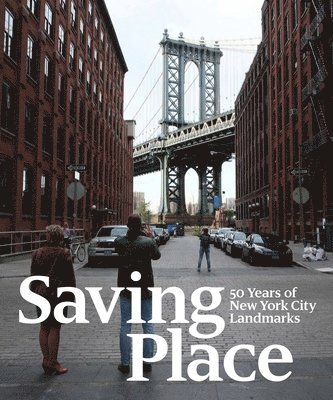
From irrefutable icons (Broadway theaters, Central Park, SoHo, Carnegie Hall), to lesser-known structures including the Cyclone rollercoaster on Coney Island, roughly one hundred street lampposts, and seven cast-iron street clocks throughout the city - much of what makes New York City unique owes its existence to the New York City Landmarks Law.
453 kr
Tillfälligt slut
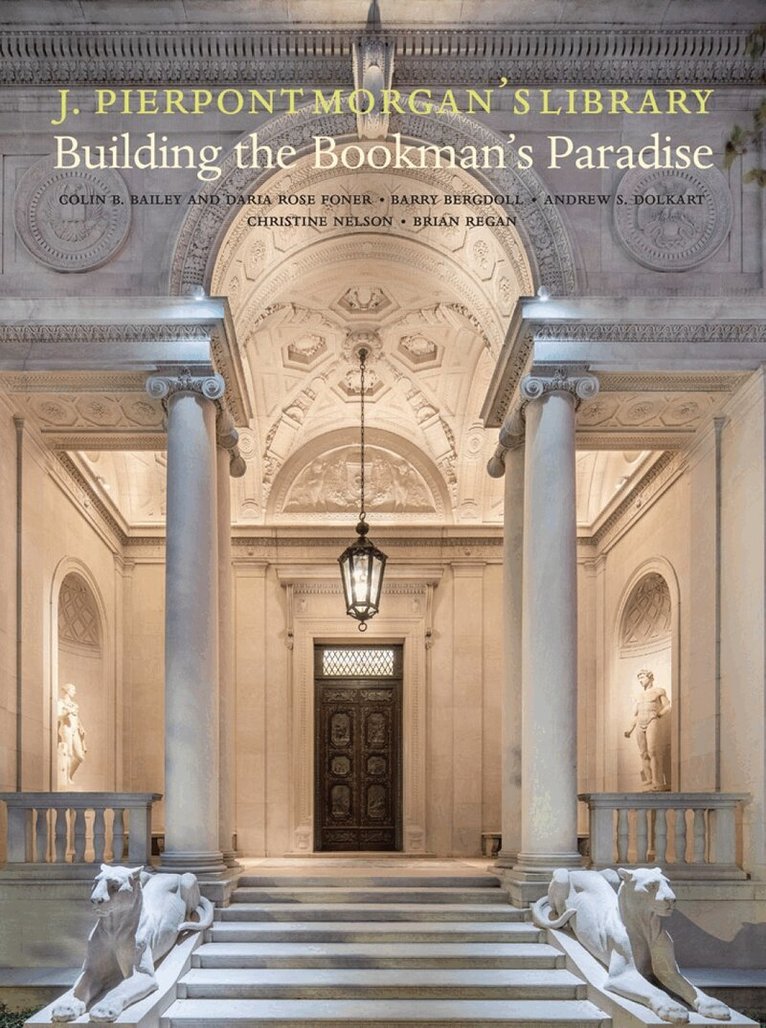
This beautifully illustrated publication celebrates the first-ever restoration of the exterior of J. Pierpont Morgan’s Library — the historic heart of the Morgan Library & Museum. Morgan’s Library has stood as a significant cultural landmark ever since it was commissioned by J. Pierpont Morgan for personal use at the start of the 20th century. Its transition to a public institution in the twenties has lent to an even greater flood of admiration and patronage, by both local and international audiences. The elegant design by Charles Follen McKim stands as one of the finest examples of neoclassical architecture in the United States, significant for its distinctive Italian Renaissance style and its opulent interior period rooms. The site has been designated both a National Historic Landmark and a New York City landmark, and it is listed on the National Register of Historic Places. The book, following on the heels of the completed restoration, will punctuate this latest milestone in the building’s storied history.