Andrew Faull – författare
685 kr
Skickas inom 10-15 vardagar
2 387 kr
Skickas inom 10-15 vardagar
824 kr
Läs direkt efter köp
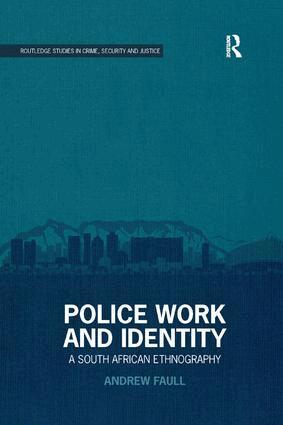
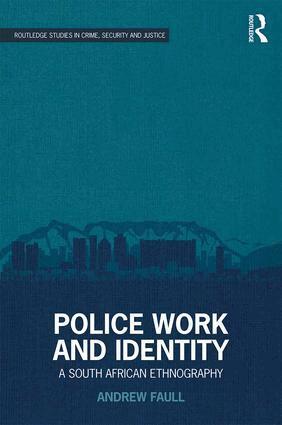
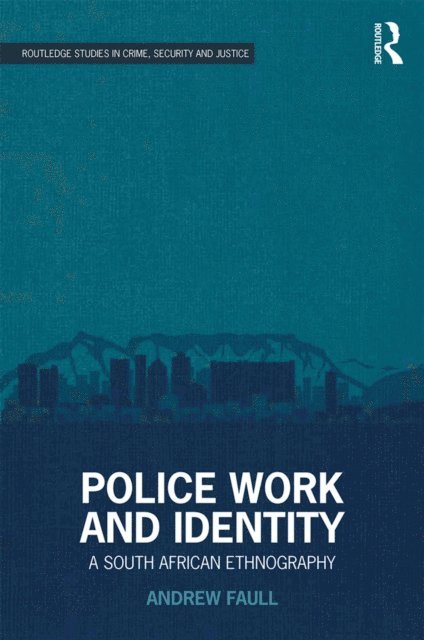
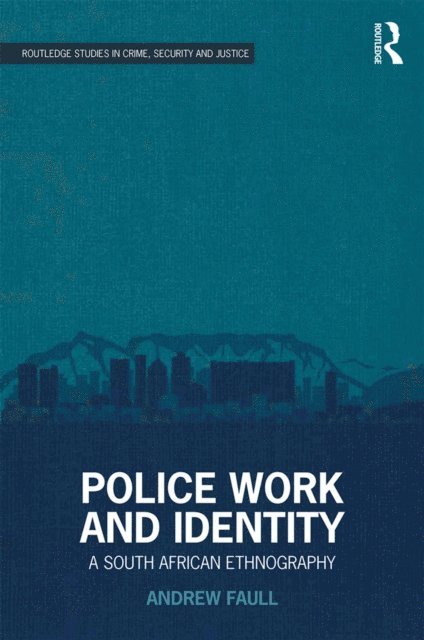
This is a book about the men and women who police contemporary South Africa. Drawing on rich, original ethnographical data, it considers how officers make sense of their jobs and how they find meaning in their duties. It demonstrates that the dynamics that lead to police abuses and scandals in transitional and neo-liberalising regimes such as South Africa can be traced to the day-to-day experiences and ambitions of the average police officer. It is about the stories they tell themselves about themselves and their social worlds, and how these shape the order they produce through their work.
By focusing on police officers, this book positions the individual in primacy over the organisation, asking what policing looks like when motivated by the pursuit of ontological security in precarious contexts. It acknowledges but downplays the importance of police culture in determining officers’ attitudes and behaviour, and reminds readers that most officers’ lives are entangled in, and shaped by a range of social, political and cultural forces. It suggests that a job in the South African Police Service (SAPS) is primarily just that: a job. Most officers join the organisation after other dreams have slipped beyond reach, their presence in the Service being almost accidental. But once employed, they re-write their self-narratives and enact carefully choreographed performances to ease managerial and public pressure, and to rationalize their coercive practices.
In an era where ‘evidence’ and ‘what works’ reigns supreme, and where ‘cop culture’ is often deemed a primary socializing force, this book emphasises how officers’ personal histories, ambitions, and vulnerabilities remain central to how policing unfolds on the street.
822 kr
Läs direkt efter köp
This is a book about the men and women who police contemporary South Africa. Drawing on rich, original ethnographical data, it considers how officers make sense of their jobs and how they find meaning in their duties. It demonstrates that the dynamics that lead to police abuses and scandals in transitional and neo-liberalising regimes such as South Africa can be traced to the day-to-day experiences and ambitions of the average police officer. It is about the stories they tell themselves about themselves and their social worlds, and how these shape the order they produce through their work.
By focusing on police officers, this book positions the individual in primacy over the organisation, asking what policing looks like when motivated by the pursuit of ontological security in precarious contexts. It acknowledges but downplays the importance of police culture in determining officers’ attitudes and behaviour, and reminds readers that most officers’ lives are entangled in, and shaped by a range of social, political and cultural forces. It suggests that a job in the South African Police Service (SAPS) is primarily just that: a job. Most officers join the organisation after other dreams have slipped beyond reach, their presence in the Service being almost accidental. But once employed, they re-write their self-narratives and enact carefully choreographed performances to ease managerial and public pressure, and to rationalize their coercive practices.
In an era where ‘evidence’ and ‘what works’ reigns supreme, and where ‘cop culture’ is often deemed a primary socializing force, this book emphasises how officers’ personal histories, ambitions, and vulnerabilities remain central to how policing unfolds on the street.
123 kr
Läs direkt efter köp
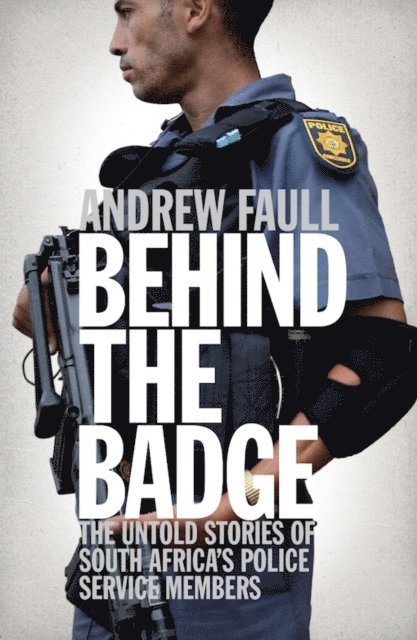
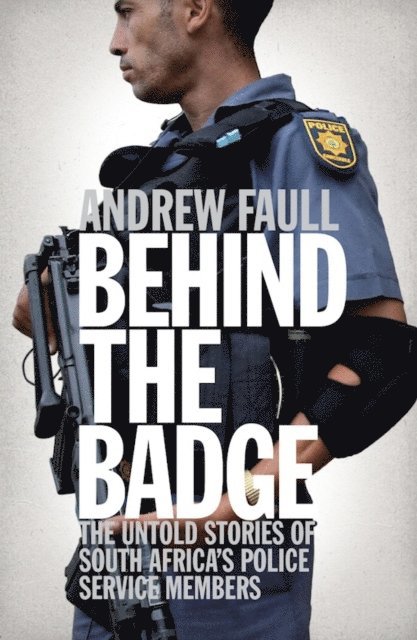
Every South African has a strong opinion on crime and policing, but most know very little about the lives and experiences of the average cop in the 185 000-strong South African Police Service. This book is composed of excerpts from interviews with current and former members of the service who, for the first time, share their personal experiences of life behind the badge.The book covers a wide range of themes, including reasons for signing up, training, policing under apartheid and transformation after 1994. It describes the experience of solving cases, using lethal force, being shot at and losing colleagues. Policemen and -women speak frankly about the psychological toll of police work and the impact on their family lives, and give startling insights into ethics, torture, corruption, sex and power.There is a mantra among police: ‘What happens on the shift stays on the shift.’ In Behind the Badge, members break through this wall of silence and reveal the hidden life of the police.
123 kr
Läs direkt efter köp
Every South African has a strong opinion on crime and policing, but most know very little about the lives and experiences of the average cop in the 185 000-strong South African Police Service. This book is composed of excerpts from interviews with current and former members of the service who, for the first time, share their personal experiences of life behind the badge.The book covers a wide range of themes, including reasons for signing up, training, policing under apartheid and transformation after 1994. It describes the experience of solving cases, using lethal force, being shot at and losing colleagues. Policemen and -women speak frankly about the psychological toll of police work and the impact on their family lives, and give startling insights into ethics, torture, corruption, sex and power.There is a mantra among police: ‘What happens on the shift stays on the shift.’ In Behind the Badge, members break through this wall of silence and reveal the hidden life of the police.