Andrew G. Newby – författare
Visar alla böcker från författaren Andrew G. Newby. Handla med fri frakt och snabb leverans.
5 produkter
5 produkter
Inbunden, Engelska, 2023
1 682 kr
Skickas inom 10-15 vardagar
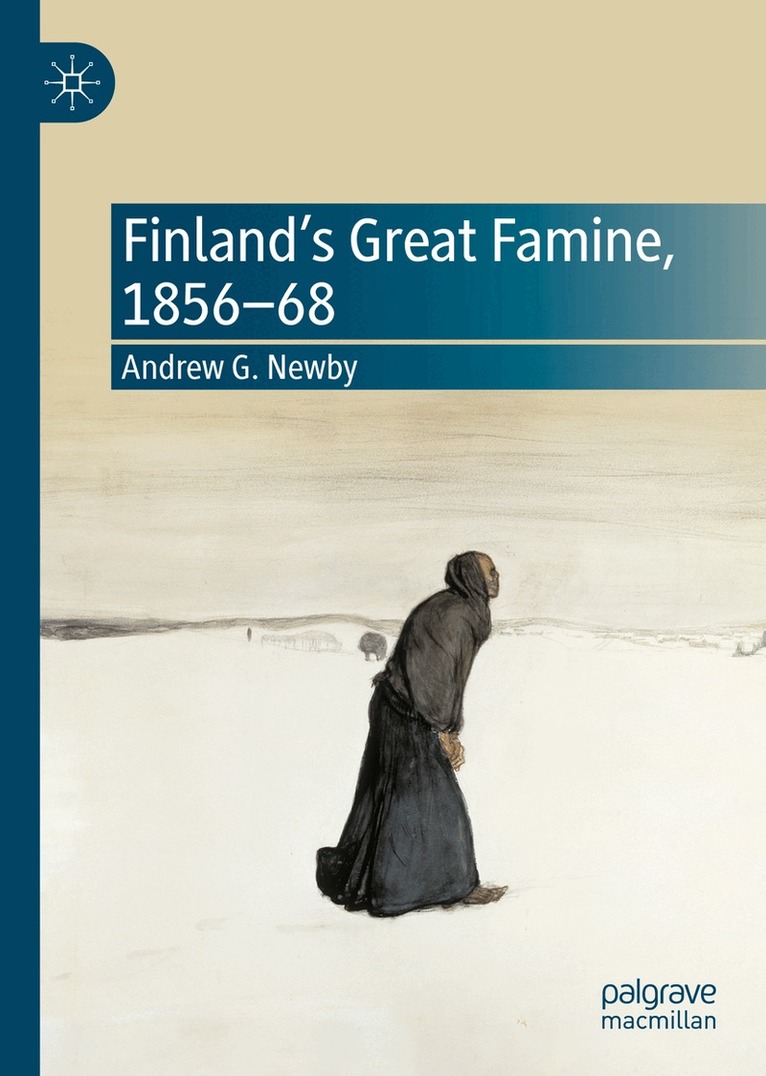
This book will provide a thematic overview of one of European history’s most devastating famines, the Great Finnish Famine of the 1860s. In 1868, the nadir of several years of worsening economic conditions, 137,000 people (approximately 8% of the Finnish population) perished as the result of hunger and disease. The attitudes and policies enacted by Finland’s devolved administration tended to follow European norms, and therefore were often similar to the “colonial” practices seen in other famines at the time. What is distinctive about this catastrophe in a mid-nineteenth-century context, is that despite Finland being a part of the Russian Empire, it was largely responsible for its own governance, and indeed was developing its economic, political and cultural autonomy at the time of the famine. Finland’s Great Famine 1856-68 examines key themes such as the use of emergency foods, domestic and overseas charity, vagrancy and crime, emergency relief works, and emigration.
E-bok
Engelska, 20232 054 kr
Läs direkt efter köp
This book will provide a thematic overview of one of European history’s most devastating famines, the Great Finnish Famine of the 1860s. In 1868, the nadir of several years of worsening economic conditions, 137,000 people (approximately 8% of the Finnish population) perished as the result of hunger and disease. The attitudes and policies enacted by Finland’s devolved administration tended to follow European norms, and therefore were often similar to the “colonial” practices seen in other famines at the time. What is distinctive about this catastrophe in a mid-nineteenth-century context, is that despite Finland being a part of the Russian Empire, it was largely responsible for its own governance, and indeed was developing its economic, political and cultural autonomy at the time of the famine. Finland’s Great Famine 1856-68 examines key themes such as the use of emergency foods, domestic and overseas charity, vagrancy and crime, emergency relief works, and emigration.
Engelska, 2023
644 kr
Skickas inom 5-8 vardagar
Häftad, Engelska, 2024
1 680 kr
Skickas inom 10-15 vardagar
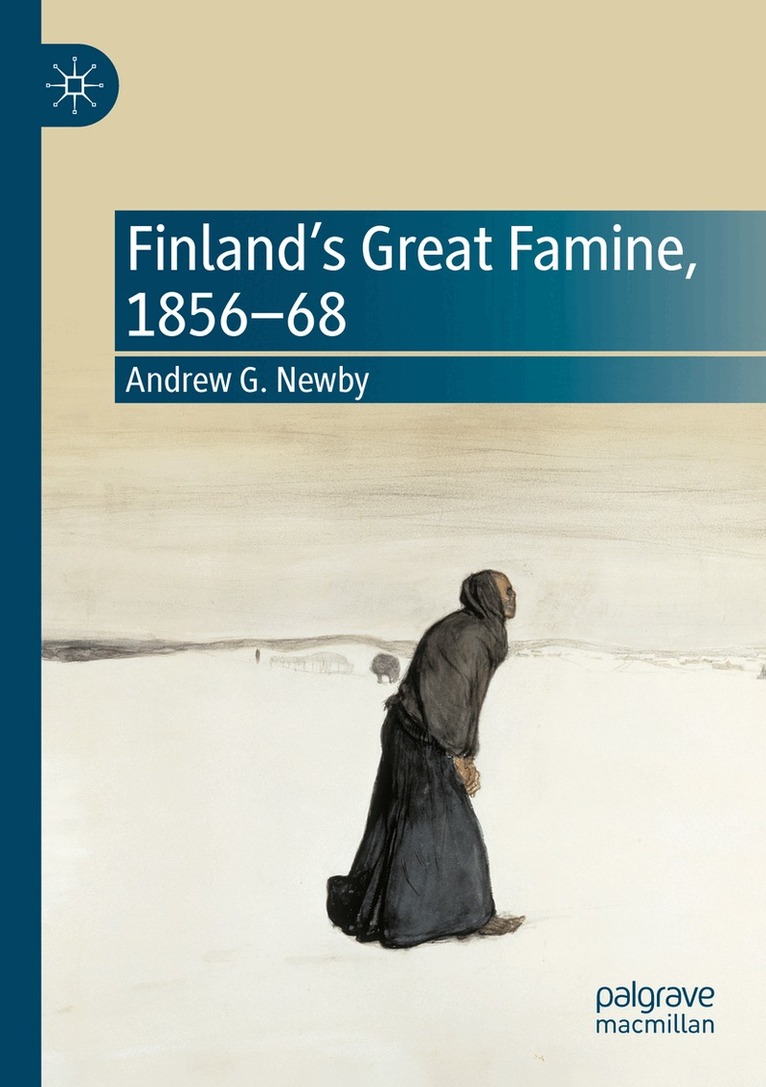
This book will provide a thematic overview of one of European history’s most devastating famines, the Great Finnish Famine of the 1860s. In 1868, the nadir of several years of worsening economic conditions, 137,000 people (approximately 8% of the Finnish population) perished as the result of hunger and disease. The attitudes and policies enacted by Finland’s devolved administration tended to follow European norms, and therefore were often similar to the “colonial” practices seen in other famines at the time. What is distinctive about this catastrophe in a mid-nineteenth-century context, is that despite Finland being a part of the Russian Empire, it was largely responsible for its own governance, and indeed was developing its economic, political and cultural autonomy at the time of the famine. Finland’s Great Famine 1856-68 examines key themes such as the use of emergency foods, domestic and overseas charity, vagrancy and crime, emergency relief works, and emigration.
E-bok
PDF, Engelska, 2022954 kr
Läs direkt efter köp
The contributions in this volume enter the debate about the way in which the provision of poor relief can be influenced by its national confessional context. They bring new perspectives to the understanding of theological aspects of Lutheranism, such as the connection between justification by faith alone and care for the poor, and work and work ethics. The articles also analyse the implementation of social responsibility of the authority towards different categories of poor (''deserving'' and ''undeserving''), local administration and centralization of poor relief through connections of public and private sources of funding, and collaboration between state, church and civil society through different public and private aspects of poor relief. In this way the various contributions combine to demonstrate new ways in the study of the connection between confessional specifics and historical developments through detailed knowledge of theology, supported by concrete historical case studies.