This book advances research on grammatical change and shows the breadth and liveliness of the field. Leading international scholars report and reflect on the latest research into the nature and outcomes of all aspects of syntactic change including grammaticalization, variation, complementation, syntactic movement, determiner-phrase syntax, pronominal systems, case systems, negation, and alignment. The authors deploy a variety of generative frameworks, including minimalist and optimality theoretic, and bring these to bear on a wide range of languages: among the latter are typologically distinct examples from Germanic, Romance, Slavic, Greek, Korean and Japanese, Austronesian, Celtic, and Nahuatl. They draw on sociolinguistic evidence where appropriate. Taken as a whole, the volume provides a stimulating overview of key current issues in the investigation of the origins, nature, and outcome of syntactic change.
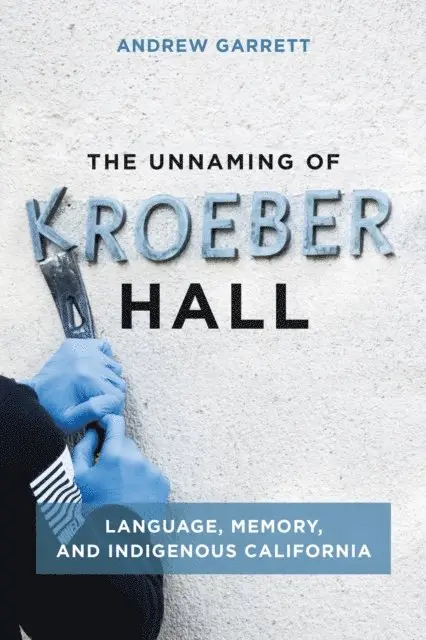
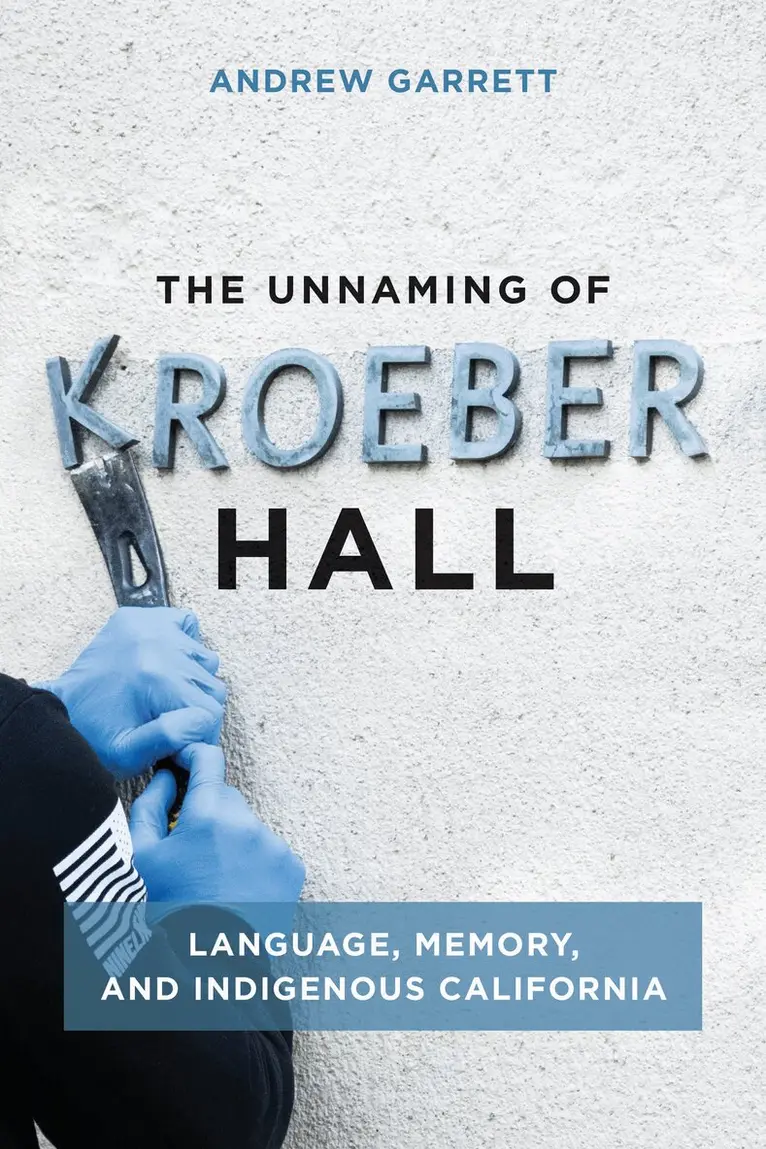
A critical examination of the complex legacies of early Californian anthropology and linguistics for twenty-first-century communities.In January 2021, at a time when many institutions were reevaluating fraught histories, the University of California removed anthropologist and linguist Alfred Kroeber’s name from a building on its Berkeley campus. Critics accused Kroeber of racist and dehumanizing practices that harmed Indigenous people; university leaders repudiated his values. In The Unnaming of Kroeber Hall, Andrew Garrett examines Kroeber’s work in the early twentieth century and his legacy today, asking how a vigorous opponent of racism and advocate for Indigenous rights in his own era became a symbol of his university’s failed relationships with Native communities. Garrett argues that Kroeber’s most important work has been overlooked: his collaborations with Indigenous people throughout California to record their languages and stories.The Unnaming of Kroeber Hall offers new perspectives on the early practice of anthropology and linguistics and on its significance today and in the future. Kroeber’s documentation was broader and more collaborative and multifaceted than is usually recognized. As a result, the records Indigenous people created while working with him are relevant throughout California as communities revive languages, names, songs, and stories. Garrett asks readers to consider these legacies, arguing that the University of California chose to reject critical self-examination when it unnamed Kroeber Hall.