Andrew Hankinson – författare
Visar alla böcker från författaren Andrew Hankinson. Handla med fri frakt och snabb leverans.
5 produkter
You Could Do Something Amazing with Your Life [You Are Raoul Moat]
Häftad, 2017
117 kr
Lägg i varukorg
Winner of the CWA Gold Dagger for Non-Fiction.A letter arrives. You’ve got an appointment with a trainee clinical psychologist on April 29, 2008.You don’t attend.Another letter arrives. It says they don’t normally reschedule appointments, but they know this is hard for you, so they’re offering you …
Felled
The Killing at Sycamore Gap
Inbunden, 2026
232 kr
Kommande
'A brilliantly singular voice' Benjamin Myers'Brilliant. Honest, humane and profound' David Whitehouse'[An] unflinching study of male desperation. Really bastard good' Joel Morris'An unforgettable book' Will Storr'A true crime masterpiece for the twenty-first century' Alex Niven For more than a …
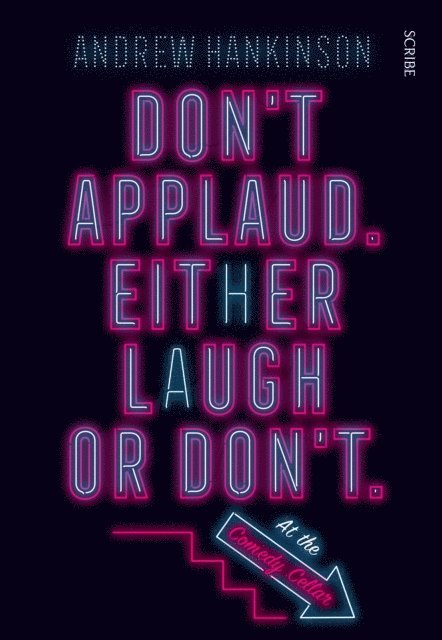
Don’t applaud. Either laugh or don’t. (At the Comedy Cellar.)
Häftad, 2020
166 kr
Lägg i varukorg
This is a book about three things:1. A room called the Comedy Cellar.2. Who gets to speak in that room.3. What they get to say.The Comedy Cellar is a tiny basement club in New York’s Greenwich Village. Run according to the principles of its owners, the Dworman family, it became a safe place for …
You Could Do Something Amazing with Your Life [You Are Raoul Moat]
E-bok, 2016
234 kr
Lägg i varukorg
Winner of the CWA Gold Dagger for Non-Fiction and a Northern Writers Award These are the last days of Raoul Moat. Raoul Moat was the fugitive Geordie bodybuilder-mechanic who became notorious one hot July week when, after killing his ex-girlfriend’s new boyfriend, shooting her in the stomach, and …
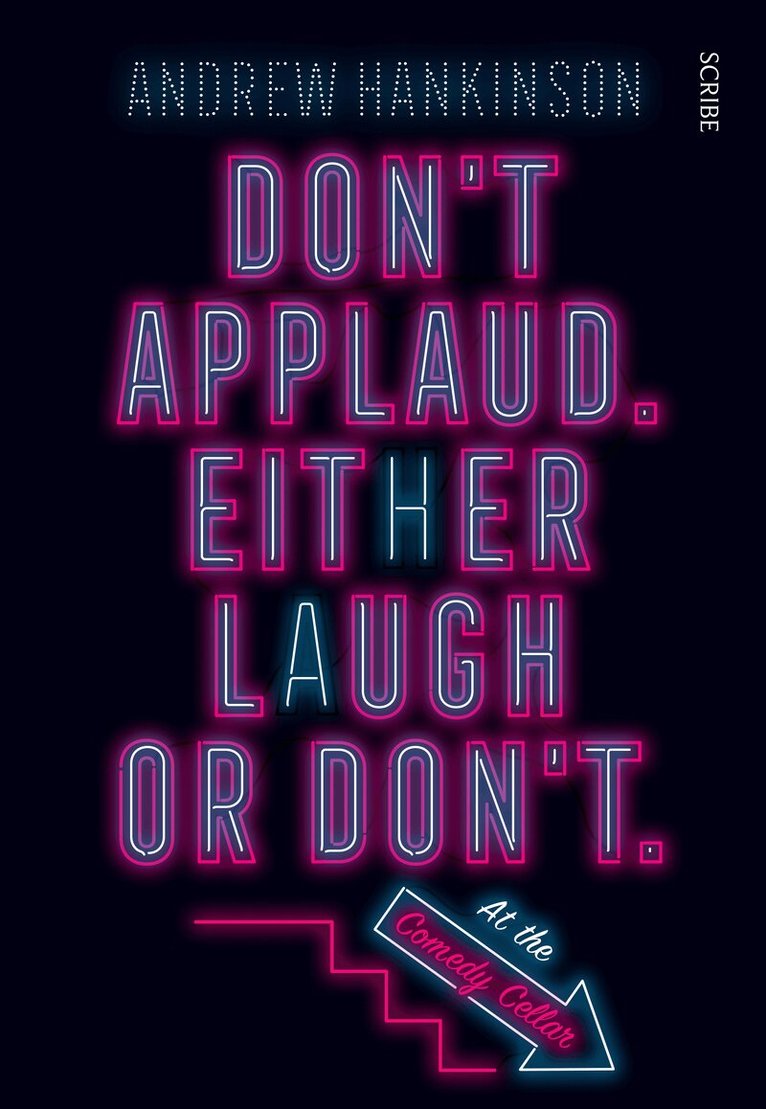
Don't applaud. Either laugh or don't. (At the Comedy Cellar.)
E-bok, 2020
252 kr
Lägg i varukorg
This is a book about three things: 1. A room called the Comedy Cellar. 2. Who gets to speak in that room. 3. What they get to say. AMY SCHUMER. LOUIS CK. JERRY SEINFELD. CHRIS ROCK. They all worked the Comedy Cellar in Greenwich Village, honing their acts, experimenting, taking risks. It was a safe …
![Andrew Hankinson - You Could Do Something Amazing with Your Life [You Are Raoul Moat], Häftad. Tillgänglighet: Lägg i varukorg](https://image.bokus.com/images2/9781911344322_766)
![Andrew Hankinson - You Could Do Something Amazing with Your Life [You Are Raoul Moat], E-bok. Tillgänglighet: Lägg i varukorg](https://image.bokus.com/images2/9781925113754_766)