Andrew Higham – författare
Visar alla böcker från författaren Andrew Higham. Handla med fri frakt och snabb leverans.
6 produkter
6 produkter
E-bok
PDF, Engelska, 2017601 kr
Läs direkt efter köp
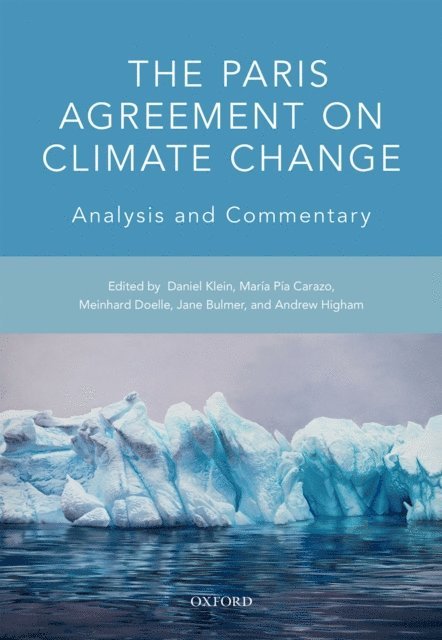
The most important climate agreement in history, the Paris Agreement on Climate Change represents the commitment of the nations of the world to address and curb climate change. Signed in December 2015, it entered into force on 4th November 2016. Countries are moving into implementation, and efforts at all levels will be needed to fulfill its ambitious goals. The Paris Climate Agreement: Commentary and Analysis combines a comprehensive legal appraisal and critique of the new Agreement with a practical and structured commentary to and social drivers behind it, providing an overview of the pre-existing regime, and tracking the history of the negotiations. It examines the evolution of key concepts such as common but differentiated responsibilities, and analyses the legal form of the Agreement and the nature of its provisions. Part II comprises individual chapters on each Article of the Agreement, with detailed commentary of the provisions which highlights central aspects from the negotiating history and the legal nature of the obligations. It describes the institutional arrangements and considerations for national implementation, providing practical advice and prospects for future development. Part III reflects on the Paris Agreement as a whole: its strengths and weaknesses, its potential for further development, and its relationship with other areas of public international law and governance. The book is an invaluable resource for academics and practitioners, policy makers, and actors in the private sector and civil society, as they negotiate the implementation of the Agreement in domestic law and policy.
E-bok
Engelska, 2017601 kr
Läs direkt efter köp
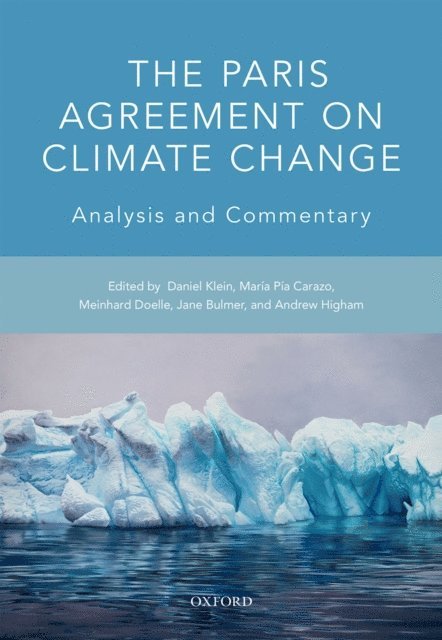
The most important climate agreement in history, the Paris Agreement on Climate Change represents the commitment of the nations of the world to address and curb climate change. Signed in December 2015, it entered into force on 4th November 2016. Countries are moving into implementation, and efforts at all levels will be needed to fulfill its ambitious goals. The Paris Climate Agreement: Commentary and Analysis combines a comprehensive legal appraisal and critique of the new Agreement with a practical and structured commentary to and social drivers behind it, providing an overview of the pre-existing regime, and tracking the history of the negotiations. It examines the evolution of key concepts such as common but differentiated responsibilities, and analyses the legal form of the Agreement and the nature of its provisions. Part II comprises individual chapters on each Article of the Agreement, with detailed commentary of the provisions which highlights central aspects from the negotiating history and the legal nature of the obligations. It describes the institutional arrangements and considerations for national implementation, providing practical advice and prospects for future development. Part III reflects on the Paris Agreement as a whole: its strengths and weaknesses, its potential for further development, and its relationship with other areas of public international law and governance. The book is an invaluable resource for academics and practitioners, policy makers, and actors in the private sector and civil society, as they negotiate the implementation of the Agreement in domestic law and policy.
Inbunden, Engelska, 2017
2 248 kr
Skickas inom 3-6 vardagar
The most important climate agreement in history, the Paris Agreement on Climate Change represents the commitment of the nations of the world to address and curb climate change. Signed in December 2015, it entered into force on 4th November 2016. Countries are moving into implementation, and efforts at all levels will be needed to fulfill its ambitious goals. The Paris Climate Agreement: Commentary and Analysis combines a comprehensive legal appraisal and critique of the new Agreement with a practical and structured commentary to all its Articles. Part I discusses the general context for the Paris Agreement, detailing the scientific, political, and social drivers behind it, providing an overview of the pre-existing regime, and tracking the history of the negotiations. It examines the evolution of key concepts such as common but differentiated responsibilities, and analyses the legal form of the Agreement and the nature of its provisions. Part II comprises individual chapters on each Article of the Agreement, with detailed commentary of the provisions which highlights central aspects from the negotiating history and the legal nature of the obligations. It describes the institutional arrangements and considerations for national implementation, providing practical advice and prospects for future development. Part III reflects on the Paris Agreement as a whole: its strengths and weaknesses, its potential for further development, and its relationship with other areas of public international law and governance. The book is an invaluable resource for academics and practitioners, policy makers, and actors in the private sector and civil society, as they negotiate the implementation of the Agreement in domestic law and policy.
Häftad, Engelska, 2017
707 kr
Skickas inom 7-10 vardagar
The most important climate agreement in history, the Paris Agreement on Climate Change represents the commitment of the nations of the world to address and curb climate change. Signed in December 2015, it entered into force on 4th November 2016. Countries are moving into implementation, and efforts at all levels will be needed to fulfill its ambitious goals.The Paris Climate Agreement: Commentary and Analysis combines a comprehensive legal appraisal and critique of the new Agreement with a practical and structured commentary to and social drivers behind it, providing an overview of the pre-existing regime, and tracking the history of the negotiations. It examines the evolution of key concepts such as common but differentiated responsibilities, and analyses the legal form of the Agreement and the nature of its provisions. Part II comprises individual chapters on each Article of the Agreement, with detailed commentary of the provisions which highlights central aspects from the negotiating history and the legal nature of the obligations. It describes the institutional arrangements and considerations for national implementation, providing practical advice and prospects for future development. Part III reflects on the Paris Agreement as a whole: its strengths and weaknesses, its potential for further development, and its relationship with other areas of public international law and governance. The book is an invaluable resource for academics and practitioners, policy makers, and actors in the private sector and civil society, as they negotiate the implementation of the Agreement in domestic law and policy.
Inbunden, Engelska, 2009
2 179 kr
Skickas inom 10-15 vardagar
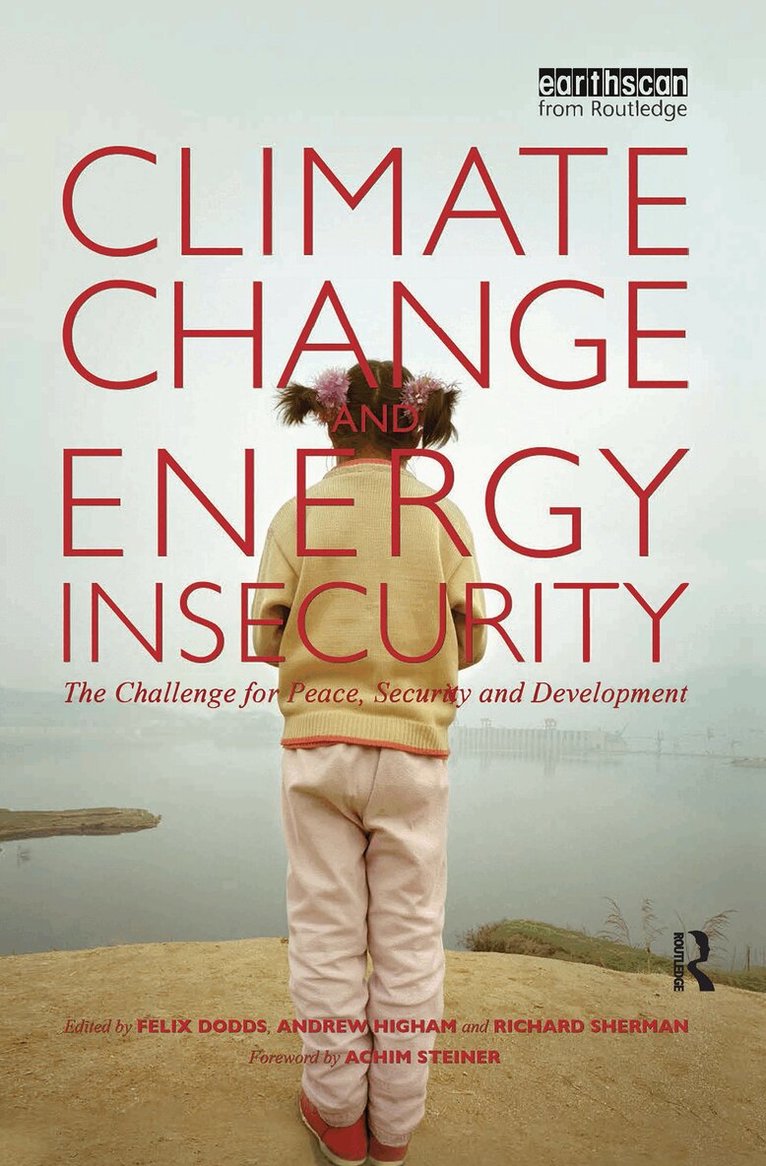
Climate change is now recognised as one of the greatest challenges facing the international community and when coupled with energy production and use - the most significant contributor to climate change - and the related security problems the double threat to international security and human development is of the highest order. This wide-ranging book brings together leading thinkers from academia, government and civil society to examine and address the global insecurity and development challenges arising from the twin thrust of climate change and the energy supply crunch. Part one considers energy. It analyses the challenges of meeting future energy demands and the ongoing and future security-related conflicts over energy. Coverage includes security and development concerns related to the oil and gas, nuclear, bio-fuels and hydropower sectors, ensuring energy access for all and addressing sustainable consumption and production in both developed and rapidly industrializing countries such as India, China, Brazil and South Africa. Part two analyses how climate change contributes to global insecurity and presents a consolidated overview of the potential threats and challenges it poses to international peace and development. Coverage includes future water scenarios including a focus on scarcity in the Middle East, food security, biodiversity loss, land degradation, the changing economics of climate change, adaptation and the special case of small island states. The final part lays out the potential avenues and mechanisms available to the international community to address and avert climate and energy instability via the multilateral framework under the United Nations. It also addresses mechanisms for resource and knowledge transfer from industrialized to developing countries to ensure a low-carbon energy transition by focusing on the rapid deployment of clean energy technologies and ways to tackle income and employment insecurity created by the transition away from traditional energy sources. This book offers the most comprehensive international assessment of the challenges and solutions for tackling the global insecurity arising from climate change and energy provision and use. It is essential reading for students, researchers and professionals across international relations, security, climate change and the energy sectors.
Häftad, Engelska, 2009
567 kr
Skickas inom 10-15 vardagar
Climate change is now recognised as one of the greatest challenges facing the international community and when coupled with energy production and use - the most significant contributor to climate change - and the related security problems the double threat to international security and human development is of the highest order. This wide-ranging book brings together leading thinkers from academia, government and civil society to examine and address the global insecurity and development challenges arising from the twin thrust of climate change and the energy supply crunch. Part one considers energy. It analyses the challenges of meeting future energy demands and the ongoing and future security-related conflicts over energy. Coverage includes security and development concerns related to the oil and gas, nuclear, bio-fuels and hydropower sectors, ensuring energy access for all and addressing sustainable consumption and production in both developed and rapidly industrializing countries such as India, China, Brazil and South Africa. Part two analyses how climate change contributes to global insecurity and presents a consolidated overview of the potential threats and challenges it poses to international peace and development. Coverage includes future water scenarios including a focus on scarcity in the Middle East, food security, biodiversity loss, land degradation, the changing economics of climate change, adaptation and the special case of small island states. The final part lays out the potential avenues and mechanisms available to the international community to address and avert climate and energy instability via the multilateral framework under the United Nations. It also addresses mechanisms for resource and knowledge transfer from industrialized to developing countries to ensure a low-carbon energy transition by focusing on the rapid deployment of clean energy technologies and ways to tackle income and employment insecurity created by the transition away from traditional energy sources. This book offers the most comprehensive international assessment of the challenges and solutions for tackling the global insecurity arising from climate change and energy provision and use. It is essential reading for students, researchers and professionals across international relations, security, climate change and the energy sectors.