Andrew J. Marshall – författare
Visar alla böcker från författaren Andrew J. Marshall. Handla med fri frakt och snabb leverans.
6 produkter
6 produkter
E-bok
PDF, Engelska, 2016807 kr
Läs direkt efter köp
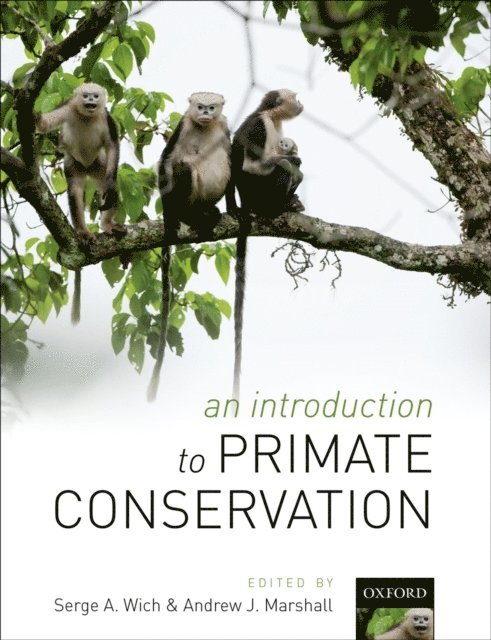
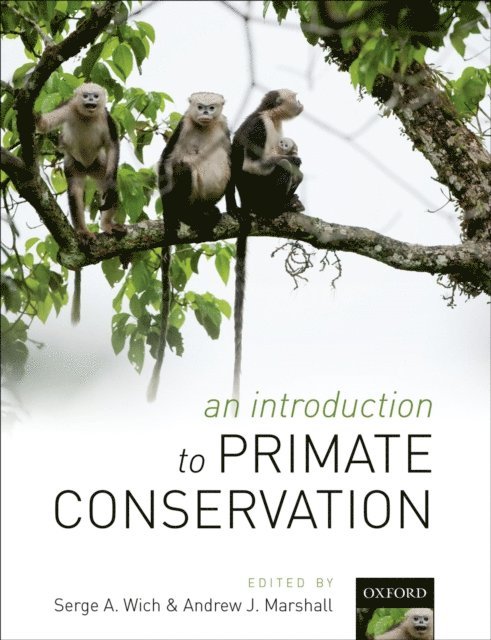
The number of primates on the brink of extinction continues to grow, and the need to respond with effective conservation measures has never been greater. This book provides a comprehensive and state-of-the-art synthesis of research principles and applied management practices for primate conservation. It begins with a consideration of the biological, intellectual, economic, and ecological importance of primates and a summary of the threats that they face, before goingon to consider these threats in more detail with chapters on habitat change, trade, hunting, infectious diseases, and climate change. Potential solutions in the form of management practice are examined in detail, including chapters on conservation genetics, protected areas, and translocation.An Introduction to Primate Conservation brings together an international team of specialists with wide-ranging expertise across primate taxa. This is an essential textbook for advanced undergraduates, graduate students, and established researchers in the fields of primate ecology and conservation biology. It will also be a valuable reference for conservation practitioners, land managers, and professional primatologists worldwide.
E-bok
Engelska, 2016807 kr
Läs direkt efter köp
The number of primates on the brink of extinction continues to grow, and the need to respond with effective conservation measures has never been greater. This book provides a comprehensive and state-of-the-art synthesis of research principles and applied management practices for primate conservation. It begins with a consideration of the biological, intellectual, economic, and ecological importance of primates and a summary of the threats that they face, before goingon to consider these threats in more detail with chapters on habitat change, trade, hunting, infectious diseases, and climate change. Potential solutions in the form of management practice are examined in detail, including chapters on conservation genetics, protected areas, and translocation.An Introduction to Primate Conservation brings together an international team of specialists with wide-ranging expertise across primate taxa. This is an essential textbook for advanced undergraduates, graduate students, and established researchers in the fields of primate ecology and conservation biology. It will also be a valuable reference for conservation practitioners, land managers, and professional primatologists worldwide.
Inbunden, Engelska, 2016
2 151 kr
Skickas inom 5-8 vardagar
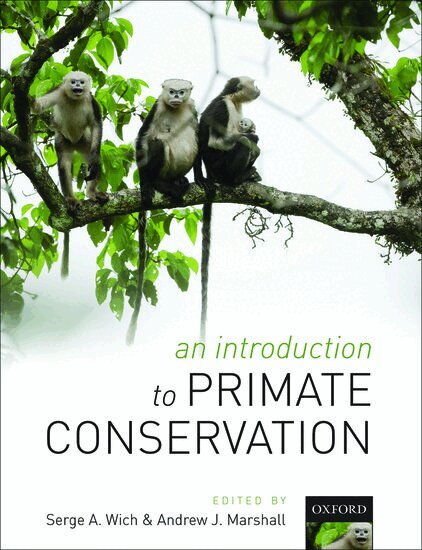
The number of primates on the brink of extinction continues to grow, and the need to respond with effective conservation measures has never been greater. This book provides a comprehensive and state-of-the-art synthesis of research principles and applied management practices for primate conservation. It begins with a consideration of the biological, intellectual, economic, and ecological importance of primates and a summary of the threats that they face, before going on to consider these threats in more detail with chapters on habitat change, trade, hunting, infectious diseases, and climate change. Potential solutions in the form of management practice are examined in detail, including chapters on conservation genetics, protected areas, and translocation.An Introduction to Primate Conservation brings together an international team of specialists with wide-ranging expertise across primate taxa. This is an essential textbook for advanced undergraduates, graduate students, and established researchers in the fields of primate ecology and conservation biology. It will also be a valuable reference for conservation practitioners, land managers, and professional primatologists worldwide.
Häftad, Engelska, 2016
982 kr
Skickas inom 7-10 vardagar
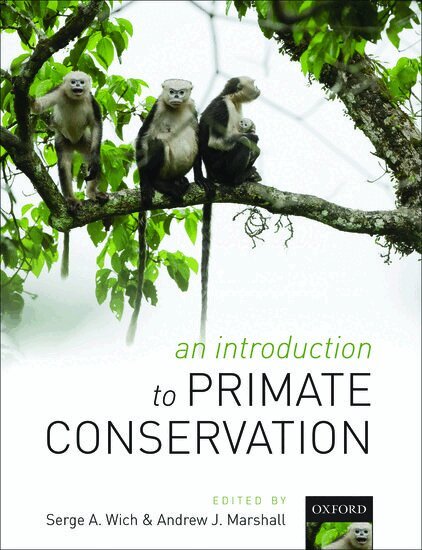
The number of primates on the brink of extinction continues to grow, and the need to respond with effective conservation measures has never been greater. This book provides a comprehensive and state-of-the-art synthesis of research principles and applied management practices for primate conservation. It begins with a consideration of the biological, intellectual, economic, and ecological importance of primates and a summary of the threats that they face, before going on to consider these threats in more detail with chapters on habitat change, trade, hunting, infectious diseases, and climate change. Potential solutions in the form of management practice are examined in detail, including chapters on conservation genetics, protected areas, and translocation.An Introduction to Primate Conservation brings together an international team of specialists with wide-ranging expertise across primate taxa. This is an essential textbook for advanced undergraduates, graduate students, and established researchers in the fields of primate ecology and conservation biology. It will also be a valuable reference for conservation practitioners, land managers, and professional primatologists worldwide.
E-bok
Engelska, 2011404 kr
Läs direkt efter köp
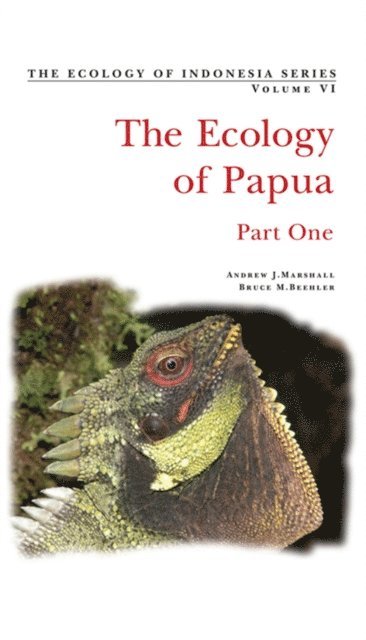
The Ecology of Papua provides a comprehensive review of current scientific knowledge on all aspects of the natural history of western (Indonesian) New Guinea.Designed for students of conservation, environmental workers, and academic researchers, it is a richly detailed text, dense with biogeographical data, historical reference, and fresh insight on this complicated and marvelous region. We hope it will serve to raise awareness of Papua on a global as well as local scale, and to catalyze effective conservation of its most precious natural assets.New Guinea is the largest and highest tropical island, and one of the last great wilderness areas remaining on Earth. Papua, the western half of New Guinea, is noteworthy for its equatorial glaciers, its vast forested floodplains, its imposing central mountain range, its Raja Ampat Archipelago, and its several hundred traditional forest-dwelling societies. One of the wildest places left in the world, Papua possesses extraordinary biological and cultural diversity.Today, Papua’s environment is under threat from growing outside pressures to exploit its expansive forests and to develop large plantations of oil palm and biofuels. It is important that Papua’s leadership balance economic development with good resource management, to ensure the long-term well-being of its culturally diverse populace.
E-bok
Engelska, 2012404 kr
Läs direkt efter köp
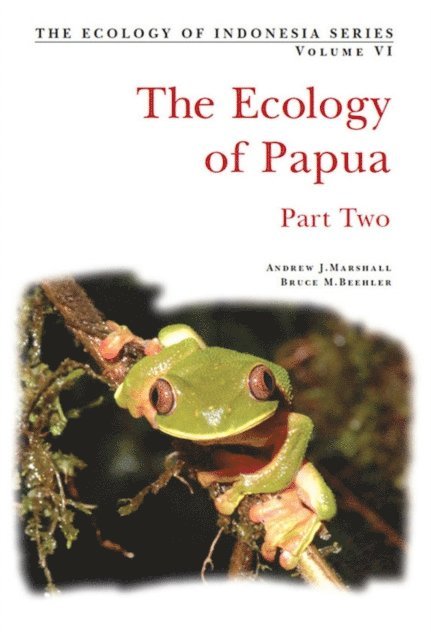
The Ecology of Papua provides a comprehensive review of current scientific knowledge on all aspects of the natural history of western (Indonesian) New Guinea.Designed for students of conservation, environmental workers, and academic researchers, it is a richly detailed text, dense with biogeographical data, historical reference, and fresh insight on this complicated and marvelous region. We hope it will serve to raise awareness of Papua on a global as well as local scale, and to catalyze effective conservation of its most precious natural assets.New Guinea is the largest and highest tropical island, and one of the last great wilderness areas remaining on Earth. Papua, the western half of New Guinea, is noteworthy for its equatorial glaciers, its vast forested floodplains, its imposing central mountain range, its Raja Ampat Archipelago, and its several hundred traditional forest-dwelling societies. One of the wildest places left in the world, Papua possesses extraordinary biological and cultural diversity.Today, Papua’s environment is under threat from growing outside pressures to exploit its expansive forests and to develop large plantations of oil palm and biofuels. It is important that Papua’s leadership balance economic development with good resource management, to ensure the long-term well-being of its culturally diverse populace.