Andrew L. Jenks – författare
Visar alla böcker från författaren Andrew L. Jenks. Handla med fri frakt och snabb leverans.
9 produkter
9 produkter
475 kr
Skickas inom 10-15 vardagar
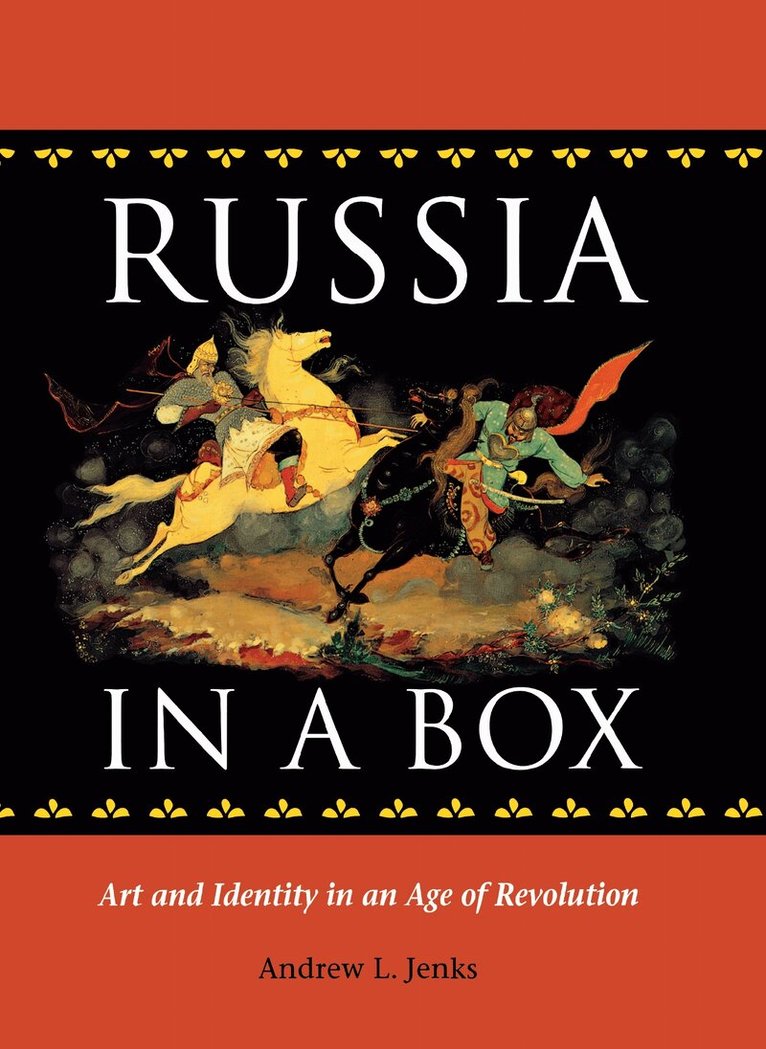
What did it mean to be Russian as the imperial era gave way to Soviet rule? Andrew Jenks turns to a unique art form produced in the village of Palekh to investigate how artists and craftsmen helped to reshape Russian national identity. Russia in a Box follows the development of Palekh art over two centuries as it adapted to dramatic changes in the Russian nation.As early as the sixteenth century, the peasant "masters" of Palekh painted religious icons. It was not until Russia's victory over Napoleon in 1814, however, that the village gained widespread recognition for its artistic contributions. That same year, the poet Goethe's discovery of the works of Palekh artists and craftsmen spurred interest in preserving the sacred art. The religious icons produced by Palekh masters in the nineteenth century became a source of Russian national pride.By the 1880s, some artists began to foresee their future as secular artists—a trend that was ensured by the Bolshevik Revolution. Tolerated and sometimes even encouraged by the new regime, the Palekh artists began to create finely decorated lacquered boxes that portray themes from fairy tales and idealized Russian history in exquisite miniatures. A new medium with new subject matter, these lacquered boxes became a new symbol of Russian identity during the 1920s.Palekh art endured varying levels of acceptance, denial, state control, and reliance on market-driven forces. What began as the art form of religious iconic painting, enduring for more than two centuries, was abruptly changed by the revolutionaries. Throughout the twentieth century the fate of Palekh art remained in question as Russia's political and cultural entities struggled for dominance. Ultimately capitalism and the Palekhian masters were victorious, and the famed lacquer boxes continue to be a source of Russian identity and pride.

346 kr
Tillfälligt slut
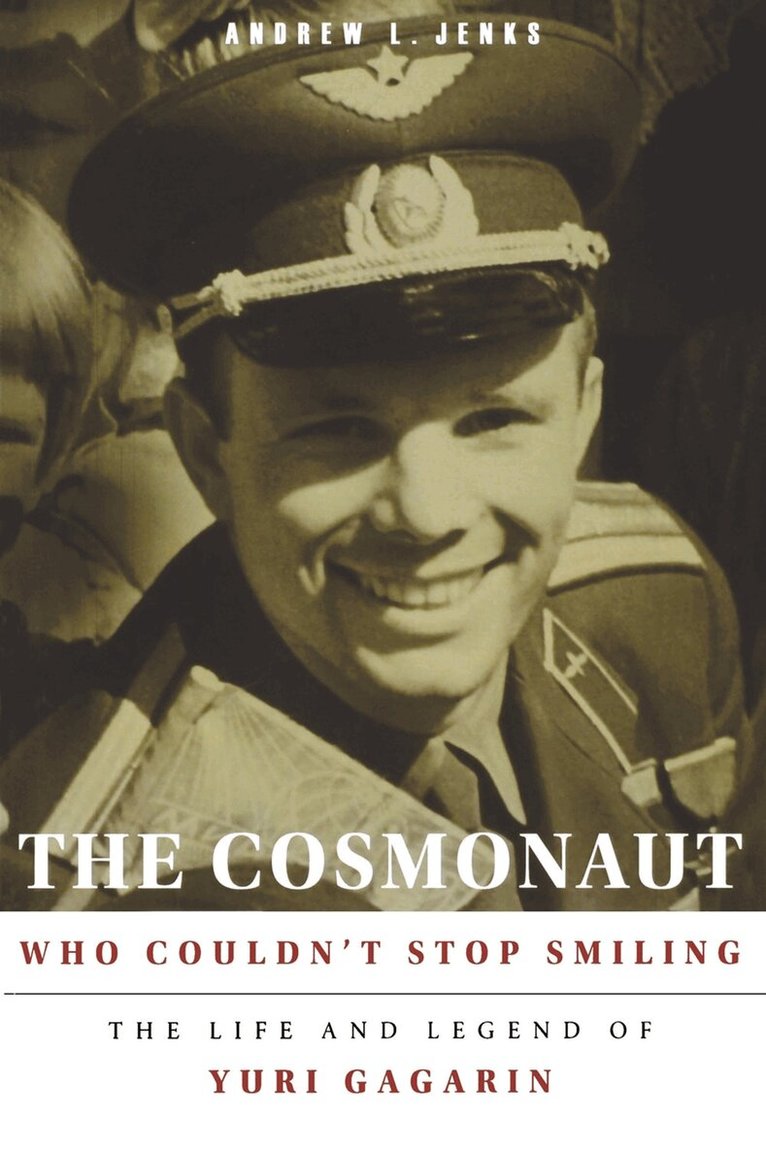
"Let's go!" With that, the boyish, grinning Yuri Gagarin launched into space on April 12, 1961, becoming the first human being to orbit the earth. The twenty-seven-year-old lieutenant colonel departed for the stars from within the shadowy world of the Soviet military-industrial complex. Barbed wires, no-entry placards, armed guards, false identities, mendacious maps, and a myriad of secret signs had hidden Gagarin from prying outsiders - not even his friends or family knew what he had been up to. Coming less than four years after the Russians launched Sputnik into orbit, Gagarin's voyage was cause for another round of capitalist shock and Soviet rejoicing. "The Cosmonaut Who Couldn't Stop Smiling" relates this twentieth-century icon's remarkable life while exploring the fascinating world of Soviet culture. Gagarin's flight brought him massive international fame - in the early 1960s, he was possibly the most photographed person in the world. Outside of the spotlight, Andrew L.Jenks reveals, his tragic and mysterious death in a jet crash became fodder for morality tales and conspiracy theories in his home country, and, long after his demise, his life continues to provide grist for the Russian popular-culture mill. This is the story of a legend, both the official one and the one of myth, which reflected the fantasies, perversions, hopes, and dreams of Gagarin's fellow Russians. With this rich, lively chronicle of Gagarin's life and times, Jenks re-creates the elaborately secretive world of space-age Russia while providing insights into Soviet history that will captivate a range of readers.
318 kr
Tillfälligt slut
Let's go!" With that, the boyish, grinning Yuri Gagarin launched into space on April 12, 1961, becoming the first human being to orbit the earth. The twenty-seven-year-old lieutenant colonel departed for the stars from within the shadowy world of the Soviet military-industrial complex. Barbed wires, no entry placards, armed guards, false identities, mendacious maps, and a myriad of secret signs had hidden Gagarin from prying outsiders - not even his friends or family knew what he had been up to. Coming less than four years after the Russians launched Sputnik into orbit, Gagarin's voyage was cause for another round of capitalist shock and Soviet rejoicing. The Cosmonaut Who Couldn't Stop Smiling relates this twentieth century icon's remarkable life while exploring the fascinating world of Soviet culture. Gagarin's flight brought him massive international fame-in the early 1960s, he was possibly the most photographed person in the world. Outside of the spotlight, Andrew L.Jenks reveals, his tragic and mysterious death in a jet crash became fodder for morality tales and conspiracy theories in his home country, and, long after his demise, his life continues to provide grist for the Russian popular culture mill. This is the story of a legend, both the official one and the one of myth, which reflected the fantasies, perversions, hopes, and dreams of Gagarin's fellow Russians. With this rich, lively chronicle of Gagarin's life and times, Jenks re-creates the elaborately secretive world of space-age Russia while providing insights into Soviet history that will captivate a range of readers.
1 626 kr
Kommande
Los Rusos tells the little-known story of the Russian diaspora in Southern California and Mexico. During the first half of the twentieth century thousands of Russians came to Mexico as refugees, spies, political exiles, and diplomats. These "rusos" included persecuted Russian sectarians who arrived in Los Angeles and migrated to Northern Baja in 1905–1906; Jews of the Soviet Union and Russian Empire who settled in Mexico City from the end of World War I, into the early 1930s, then after World War II; and Soviet communist activists with false passports and identities who came to Mexico after 1917 to foment revolution in Latin America and North America. While relating the often-tragic experiences of these Russian immigrants, Andrew L. Jenks examines the processes by which they acquired new identities as they attempted to escape marginalization and persecution. The rusos struggled to adapt to a host society that sometimes embraced them and other times characterized them as a social and political threat. Los Rusos challenges the claim that migration from war and revolution was a tale of escape to freedom. The reality was often far more complex and involved human smuggling, indentured servitude, persecution by new host societies, and economic exploitation.
331 kr
Kommande
Los Rusos tells the little-known story of the Russian diaspora in Southern California and Mexico. During the first half of the twentieth century thousands of Russians came to Mexico as refugees, spies, political exiles, and diplomats. These "rusos" included persecuted Russian sectarians who arrived in Los Angeles and migrated to Northern Baja in 1905–1906; Jews of the Soviet Union and Russian Empire who settled in Mexico City from the end of World War I, into the early 1930s, then after World War II; and Soviet communist activists with false passports and identities who came to Mexico after 1917 to foment revolution in Latin America and North America. While relating the often-tragic experiences of these Russian immigrants, Andrew L. Jenks examines the processes by which they acquired new identities as they attempted to escape marginalization and persecution. The rusos struggled to adapt to a host society that sometimes embraced them and other times characterized them as a social and political threat. Los Rusos challenges the claim that migration from war and revolution was a tale of escape to freedom. The reality was often far more complex and involved human smuggling, indentured servitude, persecution by new host societies, and economic exploitation.
391 kr
Skickas inom 10-15 vardagar
"Let's go!" With that, the boyish, grinning Yuri Gagarin launched into space on April 12, 1961, becoming the first human being to exit Earth's orbit. The twenty-seven-year-old lieutenant colonel departed for the stars from within the shadowy world of the Soviet military-industrial complex. Barbed wires, no-entry placards, armed guards, false identities, mendacious maps, and a myriad of secret signs had hidden Gagarin from prying outsiders—not even his friends or family knew what he had been up to. Coming less than four years after the Russians launched Sputnik into orbit, Gagarin's voyage was cause for another round of capitalist shock and Soviet rejoicing.The Cosmonaut Who Couldn't Stop Smiling relates this twentieth-century icon's remarkable life while exploring the fascinating world of Soviet culture. Gagarin's flight brought him massive international fame—in the early 1960s, he was possibly the most photographed person in the world, flashing his trademark smile while rubbing elbows with the varied likes of Nehru, Castro, Queen Elizabeth II, and Italian sex symbol Gina Lollobrigida. Outside of the spotlight, Andrew L. Jenks reveals, his tragic and mysterious death in a jet crash became fodder for morality tales and conspiracy theories in his home country, and, long after his demise, his life continues to provide grist for the Russian popular-culture mill.This is the story of a legend, both the official one and the one of myth, which reflected the fantasies, perversions, hopes and dreams of Gagarin's fellow Russians. With this rich, lively chronicle of Gagarin's life and times, Jenks recreates the elaborately secretive world of space-age Russia while providing insights into Soviet history that will captivate a range of readers.
1 291 kr
Skickas inom 5-8 vardagar
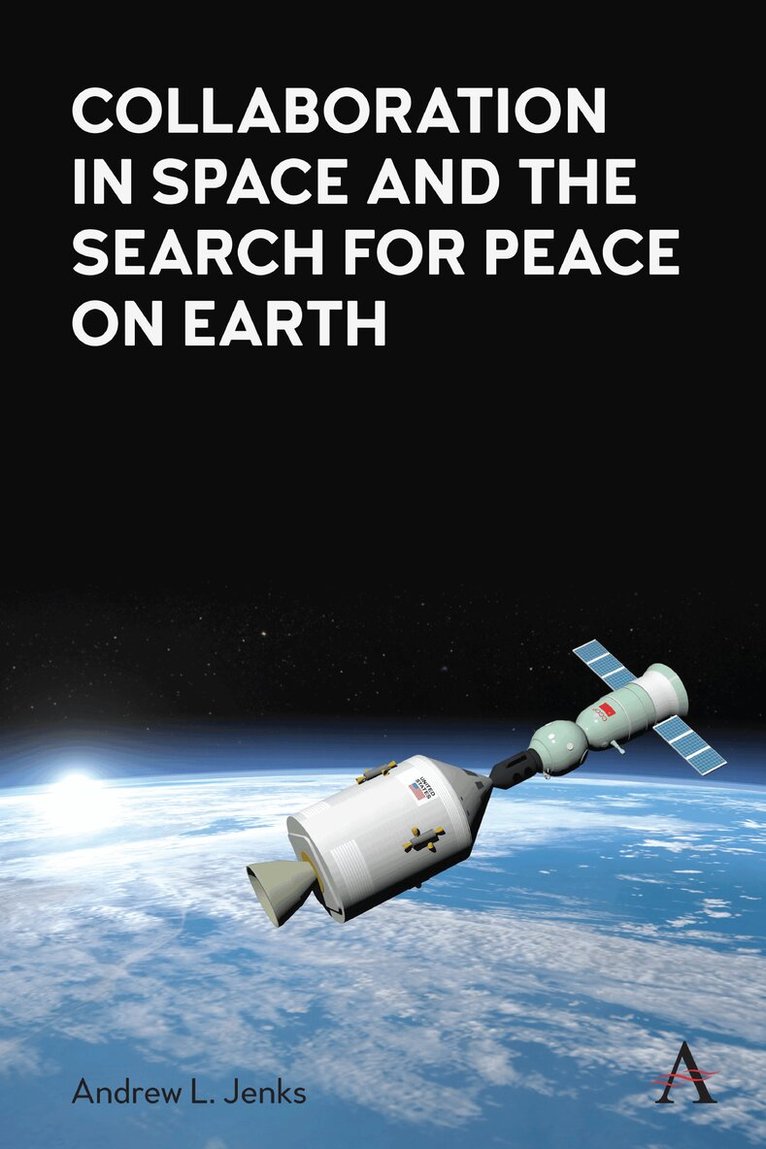
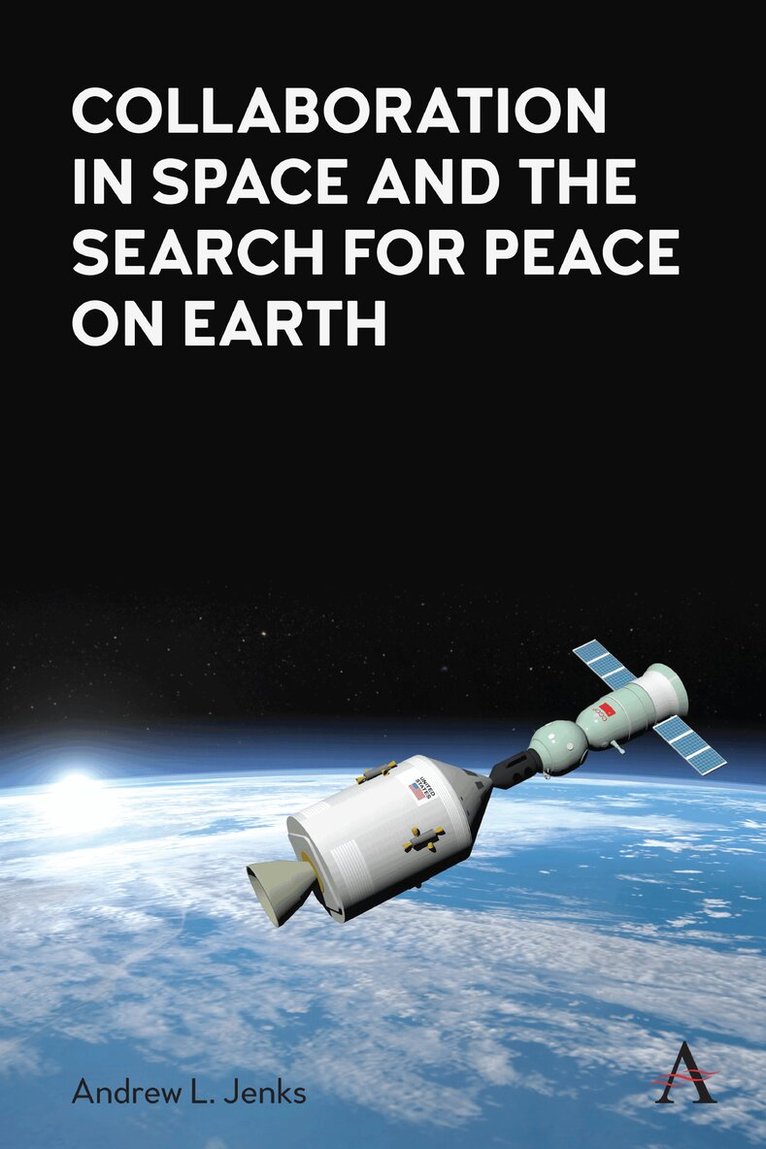
There has been quite a bit of scholarship on the history of the space race, but collaboration in space has received little attention and has usually been dismissed as a propaganda side show. This book thus fills a critical gap by showing the importance of collaboration in space as an antidote to Cold War hostilities and as an important yet underappreciated episode in the development of science and technology in the twentieth century.
459 kr
Tillfälligt slut
414 kr
Skickas inom 5-8 vardagar
There has been quite a bit of scholarship on the history of the space race, but collaboration in space has received little attention and has usually been dismissed as a propaganda side show. This book thus fills a critical gap by showing the importance of collaboration in space as an antidote to Cold War hostilities and as an important yet underappreciated episode in the development of science and technology in the twentieth century.